By Neda Veleva · · 10 min read
The United States and the European Union after the G20 Innovation Ministerial: two approaches to AI rules
The United States and the European Union are considering similar questions: how to encourage useful applications of artificial intelligence, how to manage risks and how to prepare people and institutions for wider use of the technology.
← Back to overview
The difference lies in the legal architecture.
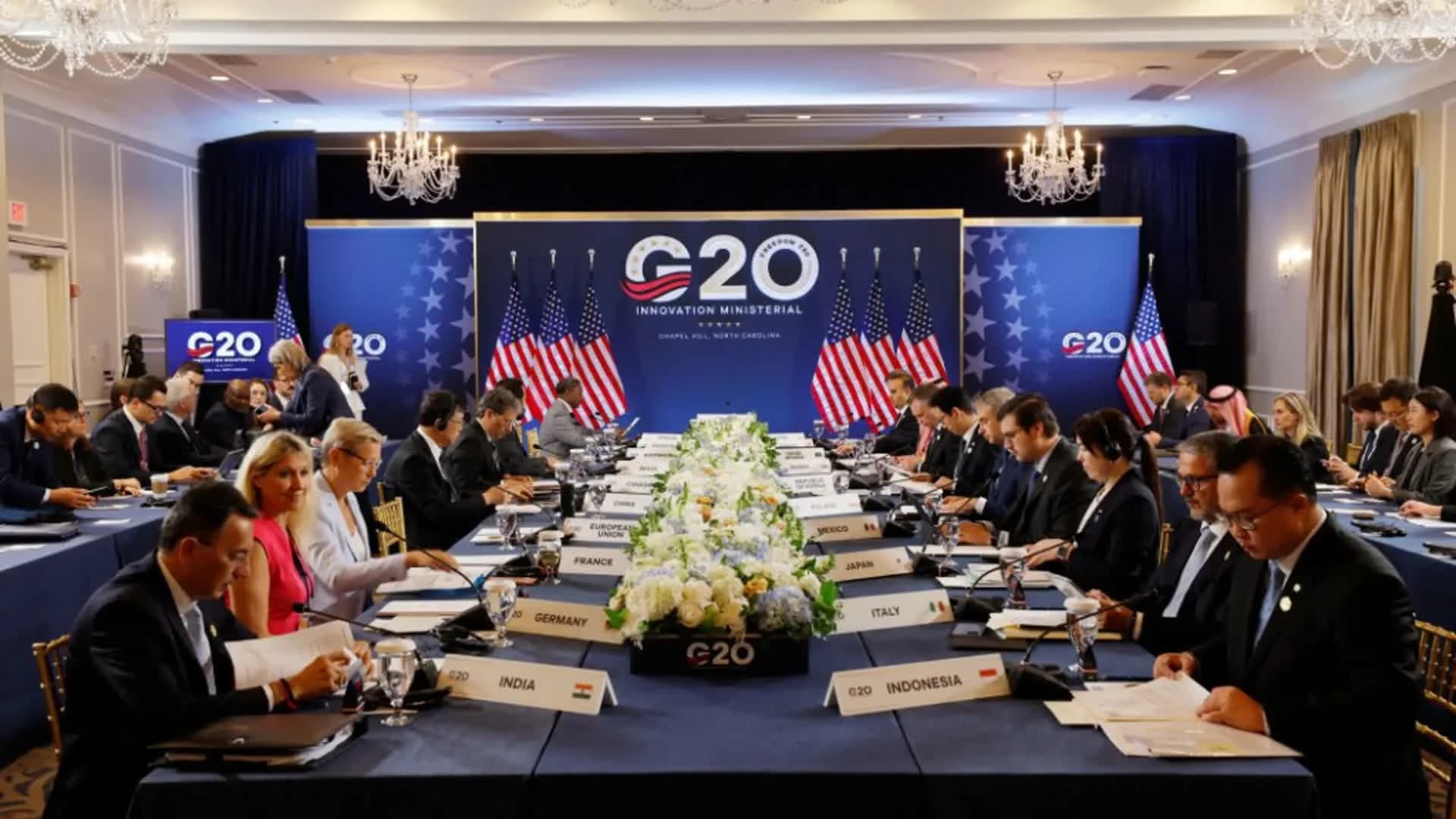
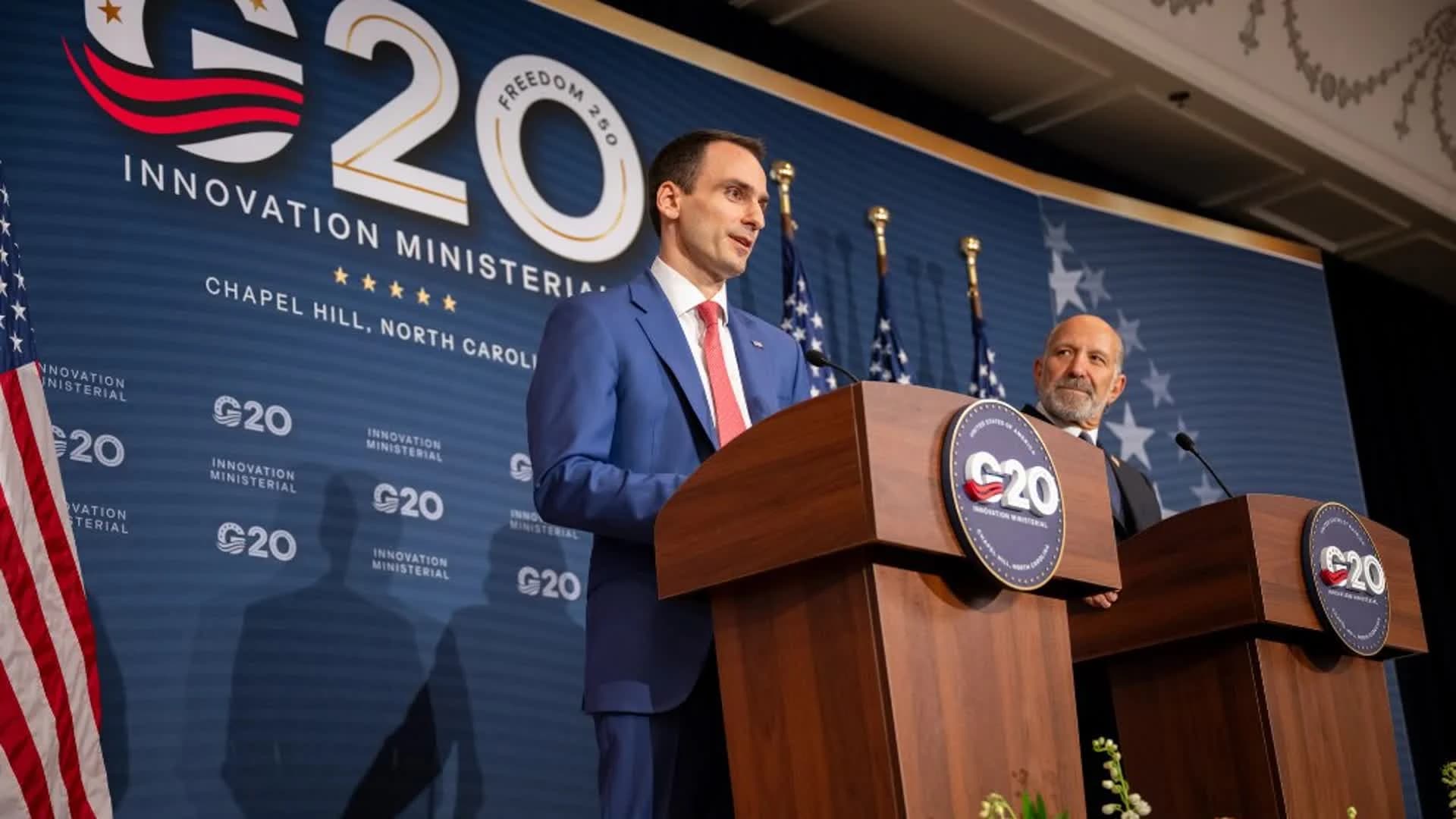
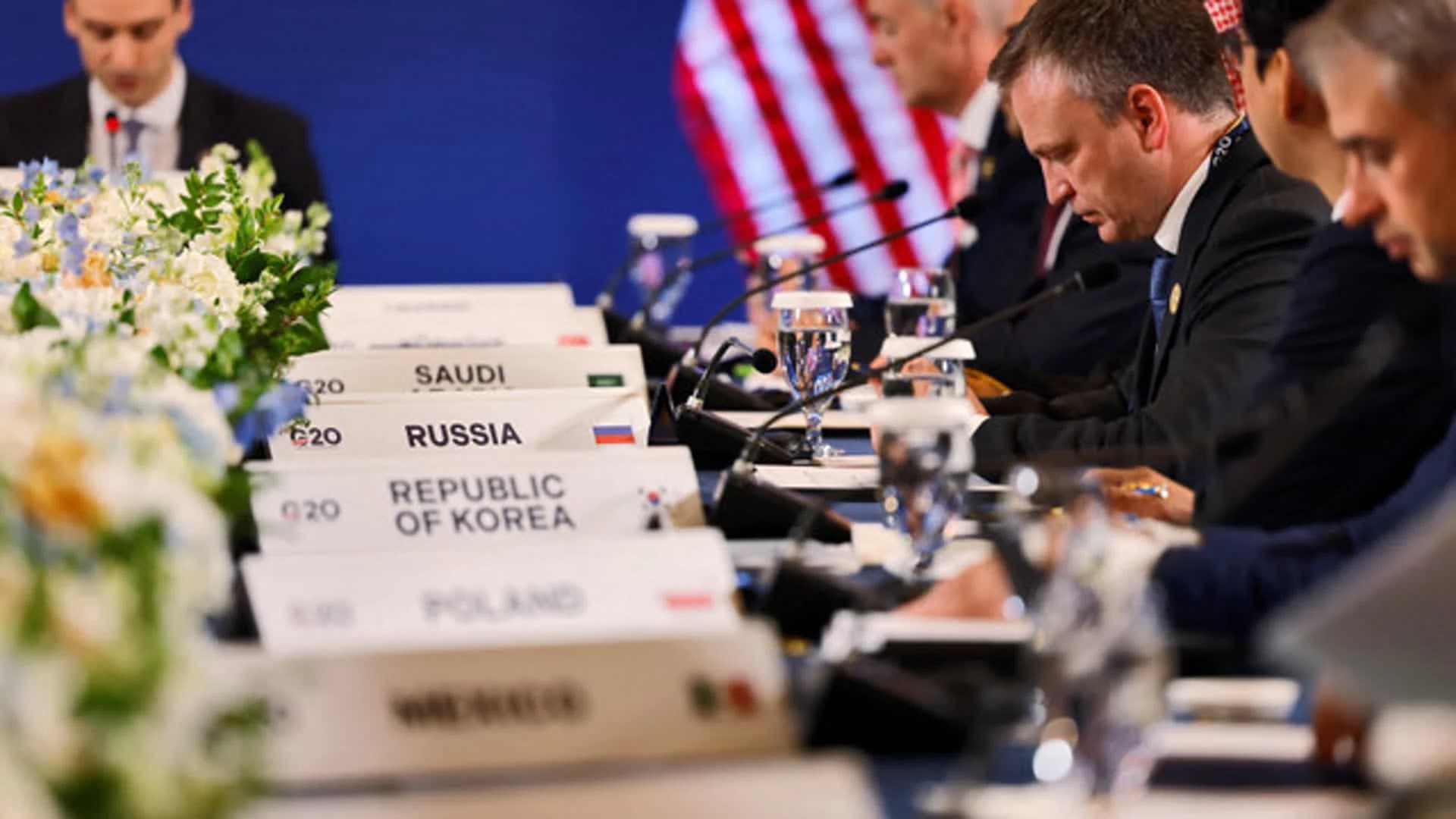
The US hosts of the G20 Innovation Ministerial presented an approach based on flexible policies, existing sectoral rules and new requirements in genuinely new circumstances. The European Union participated with its AI Act already in force, setting obligations according to risk and the type of system.
The difference in one sentence
The US approach, presented through the Carolina Principles for Emerging Technologies, begins by asking whether existing laws and institutions can address the specific problem.
The European Union’s AI Act begins by classifying the system and determines in advance which requirements apply to the relevant risk category.
Both approaches include rules, standards and oversight. They differ in the timing of intervention, their legal form and the institutions responsible for enforcement.
The approach presented by the United States
The Carolina Principles for Emerging Technologies support flexible, evidence-based policies for emerging technologies.
Where an existing law or sectoral regulator can address a risk, the principles encourage the use of that framework. New rules are envisaged for circumstances not covered by existing mechanisms.
This approach connects regulation to the specific sector and the specific harm. Fraud, discrimination, personal data violations, defective products and copyright infringement may fall within the scope of existing laws and institutions.
The US system combines:
- federal and state laws;
- sectoral regulators;
- case law;
- technical standards;
- contractual requirements;
- voluntary evaluations and tests;
- specific rules for individual applications and industries.
The Carolina Principles for Emerging Technologies are policy principles, not a standalone federal law. Their specific implementation depends on national institutions and decisions within individual sectors.
Research, markets and regulatory testing
The US approach is not limited to the question of when to create new rules.
The Carolina Principles for Emerging Technologies place sequential emphasis on:
- investment in fundamental scientific research;
- translating scientific discoveries into practical and commercial applications;
- the trustworthy deployment of new technologies.
The principles also support real-world testing environments, including regulatory sandboxes, technical infrastructure and access to suitable data.
The aim is to allow emerging technologies to be tested and developed before they are applied on a larger scale.
The European framework
The European Union’s AI Act is a common, directly applicable legal framework. It sets obligations for developers, providers and organizations deploying certain AI systems.
The regulation takes a risk-based approach.
Prohibited applications
Certain practices are prohibited when they create an unacceptable risk to people’s safety, rights or freedom.
These include some forms of manipulation, social scoring, exploitation of vulnerabilities and certain uses of biometric technologies.
High-risk systems
AI systems may be classified as high-risk when used in sensitive areas or as part of regulated products.
This may include applications in:
- critical infrastructure;
- education;
- employee recruitment and management;
- essential public and private services;
- law enforcement;
- migration and border control;
- justice and democratic processes;
- products subject to conformity assessment.
High-risk systems are subject to requirements for risk management, data quality, technical documentation, traceability, human oversight, robustness, cybersecurity and accuracy.
Transparency requirements
The AI Act introduces obligations to inform users when they interact with certain automated systems.
The regulation also includes requirements for identifying and labeling certain content created or altered with artificial intelligence.
General-purpose models
The AI Act contains separate rules for providers of general-purpose models.
These include requirements relating to transparency and copyright. Models that may pose systemic risk are subject to additional evaluations and risk mitigation measures.
The European Commission and the AI Office have supervisory powers over general-purpose models, including powers to request technical documentation, evaluate models and impose corrective measures.
When the AI Act’s rules apply
The AI Act entered into force on August 1, 2024, and began to apply in stages.
The main dates are:
- February 2, 2025: the first set of prohibitions and AI literacy obligations began to apply;
- August 2, 2025: governance rules and obligations for general-purpose models began to apply;
- August 2, 2026: the AI Act began to apply as a general framework, including some transparency and oversight rules;
- December 2, 2027: the main requirements for high-risk systems in certain sensitive areas begin to apply;
- August 2, 2028: the rules for high-risk systems embedded in certain regulated products begin to apply.
Phased application means that different obligations take effect at different times depending on the type of system.
Five key differences
1. Legal form
The Carolina Principles for Emerging Technologies are general policy principles. The AI Act is a directly applicable European Union regulation.
2. Starting point
The US approach first examines whether existing laws and sectoral mechanisms can address the risk.
The European approach begins with the system’s category and the obligations defined for it in advance.
3. Timing of regulatory intervention
The Carolina Principles for Emerging Technologies envisage new requirements where new circumstances or regulatory gaps have been identified.
The AI Act introduces obligations for certain systems before they are placed on the market or put into service.
4. Institutions and enforcement
In the United States, responsibility is distributed among various federal and state bodies, courts and sectoral regulators.
In the European Union, oversight is carried out by the European Commission, the AI Office and national competent authorities.
5. General-purpose models
The US approach uses different evaluations, standards and mechanisms depending on the specific risk and area of application.
The AI Act contains specific obligations for providers of general-purpose models and additional measures for models with systemic risk.
The debate over advance evaluation
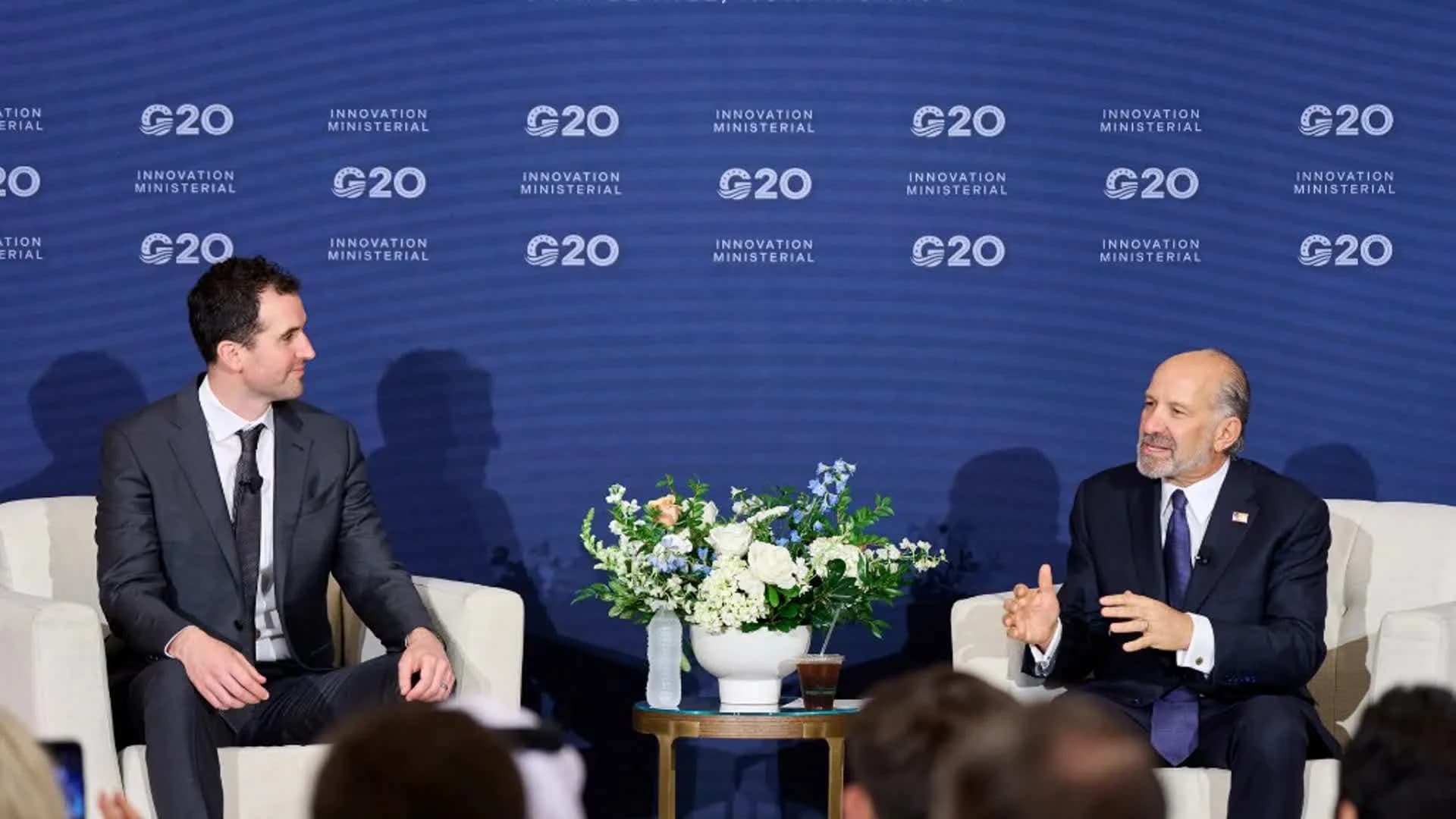
The differences do not fall entirely along geographic lines. Participants at the G20 Innovation Ministerial also held differing views on how the most powerful models should be evaluated.
Demis Hassabis supported building institutional capacity to test the most powerful systems before their broad release.
Sam Altman described voluntary advance evaluation of powerful models by US authorities as a useful process.
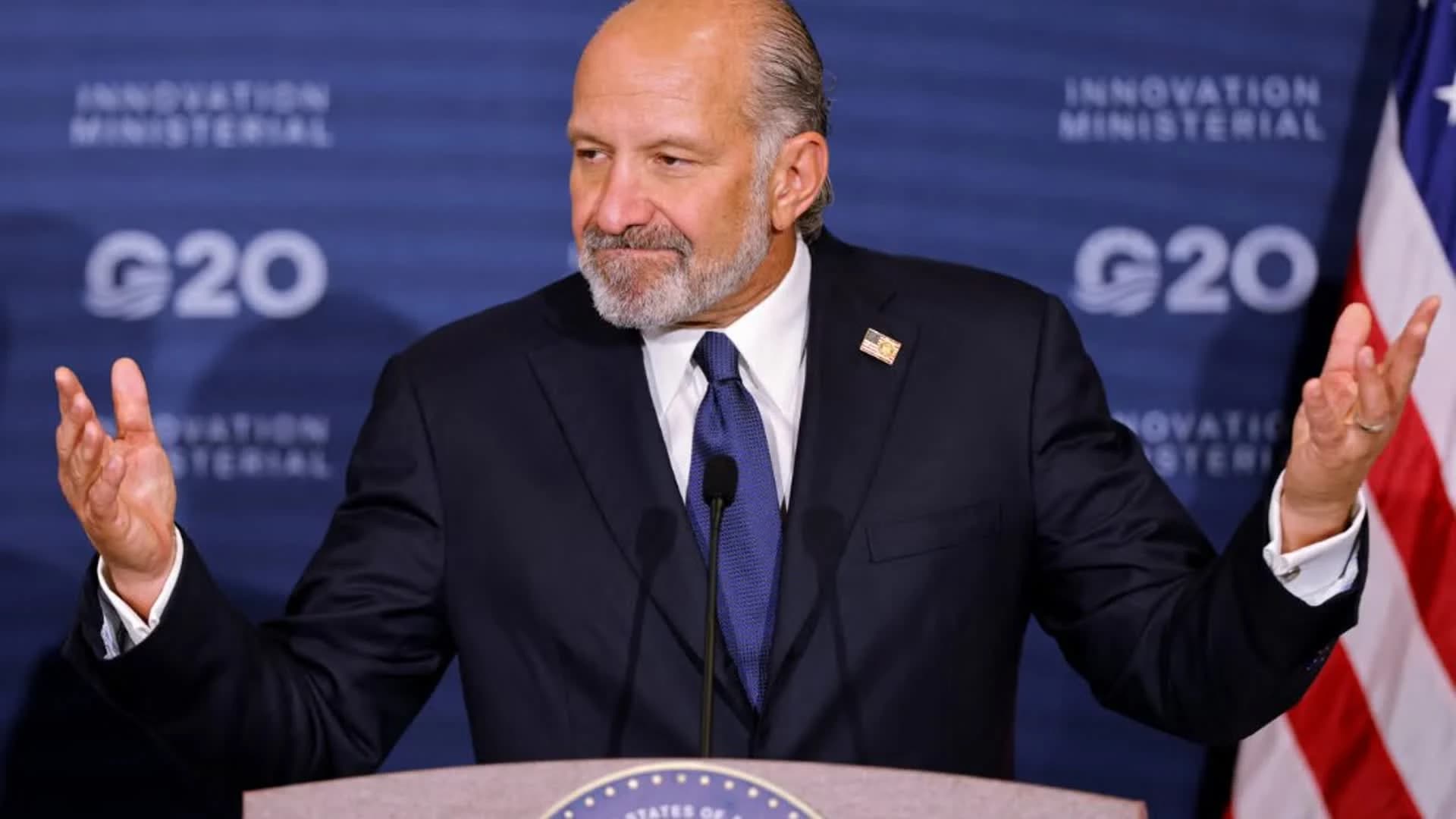
David Sacks supported a more decentralized approach and opposed a separate central authority with a general prior-approval regime.
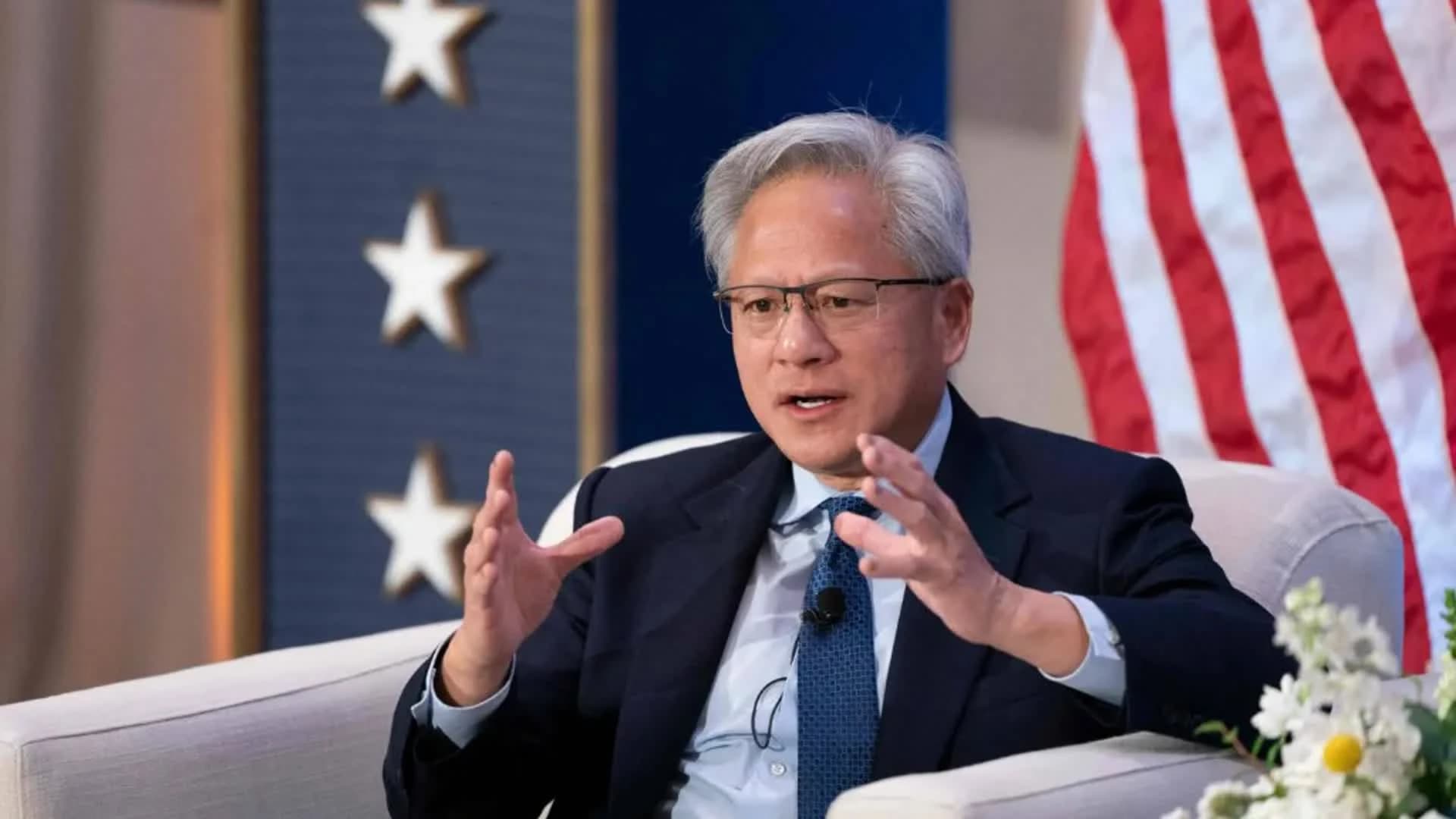
Jensen Huang urged rules to address identifiable practical harms rather than hypothetical scenarios alone.
These are the positions of individual participants. They illustrate different possible oversight mechanisms but do not constitute separate decisions of the G20 Innovation Ministerial.
What was agreed at the G20 Innovation Ministerial
The G20 Innovation Ministerial did not create a single international regime for artificial intelligence or replace existing US or European rules.
The agreement reached is at the level of general principles:
- support for fundamental scientific research;
- better pathways from discovery to practical application;
- trustworthy deployment of new technologies;
- development of technical skills;
- use and creation of standards;
- protection and development of intellectual property;
- flexible, evidence-based policies;
- investment in industrial capacity and supply chains.
The Carolina Principles for Emerging Technologies leave each country to choose its specific legal and institutional tools.
The shared outcome provides a basis for cooperation among countries that retain different regulatory models.
What this means for companies
Organizations operating in more than one market need to consider the US and European approaches in parallel.
In the European Union, the first task is to determine which category a system falls into and what obligations arise under the AI Act.
In the United States, the analysis begins with the sector, applicable federal and state laws, regulators’ powers and the product’s specific risks.
For international products, technical documentation, risk assessment, data governance and human oversight are gradually becoming a shared operational task, even where the legal bases differ.
Where the debate will continue
Several key questions remain after the G20 Innovation Ministerial:
- who should evaluate the most powerful models;
- when advance testing should be mandatory;
- how general-purpose models should be governed;
- how open-weight models should be treated;
- how copyright and intellectual property should be protected;
- how national rules can work together for international products;
- how standards can reduce differences between legal regimes.
The United States and the European Union start from different legal positions. The G20 Innovation Ministerial showed where cooperation is possible without erasing those differences.
Sources
- digital-strategy.ec.europa.euEuropean Commission: AI Act (opens in a new tab)
- eur-lex.europa.euEUR-Lex: consolidated text of Regulation (EU) 2024/1689 (opens in a new tab)
- whitehouse.govThe White House: closing announcement on the G20 Innovation Ministerial (opens in a new tab)
- commerce.govCarolina Principles for Emerging Technologies (opens in a new tab)
- reuters.comReuters: day one of the G20 Innovation Ministerial (opens in a new tab)
- reuters.comReuters: day two of the G20 Innovation Ministerial (opens in a new tab)