By Neda Veleva · · 12 min read
What happened at the G20 Innovation Ministerial in North Carolina
Two days of discussions between government representatives and technology leaders on artificial intelligence, scientific research, energy, and the future of work, culminating in the Carolina Principles for Emerging Technologies and a joint ministerial statement.
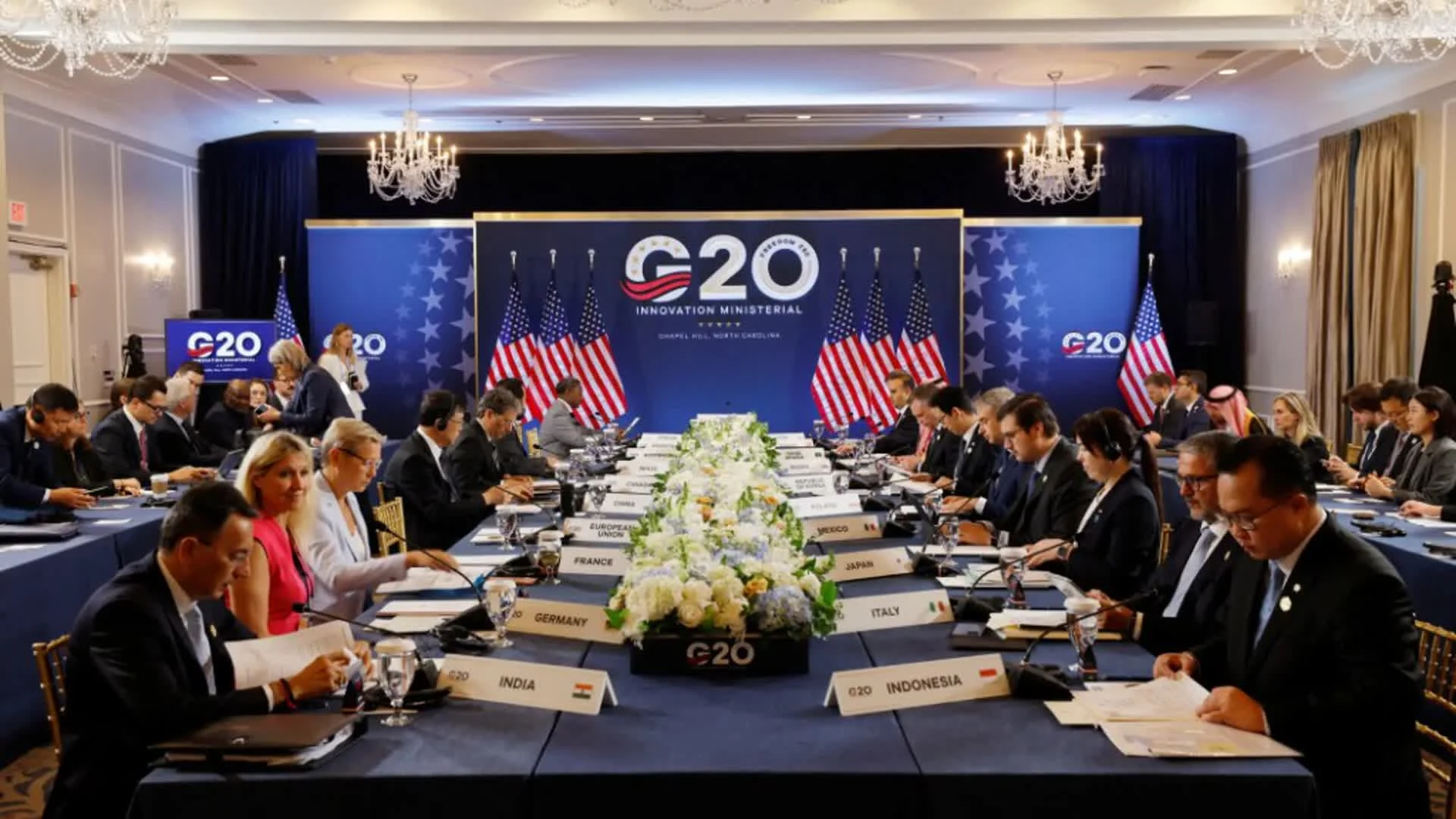
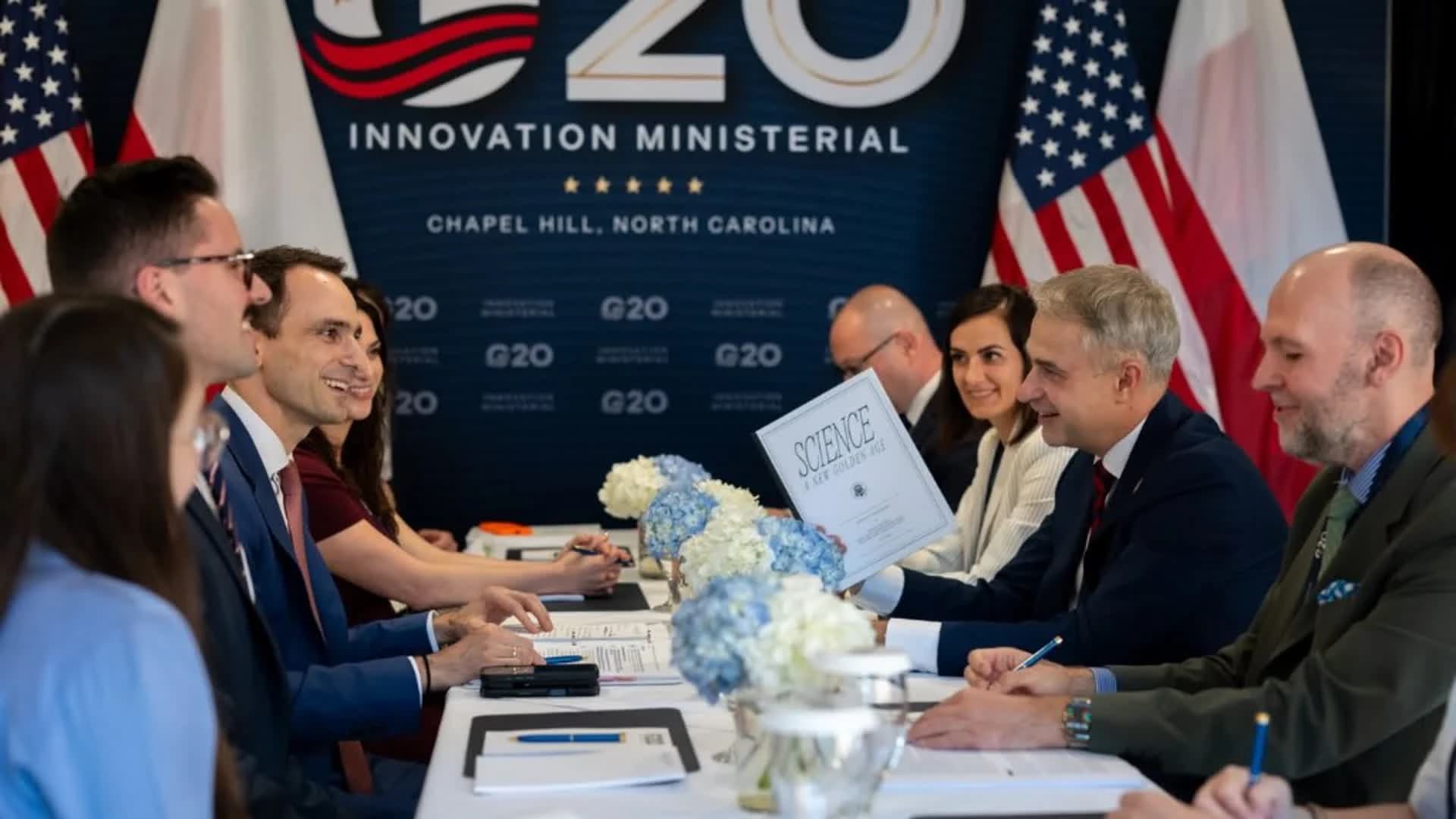
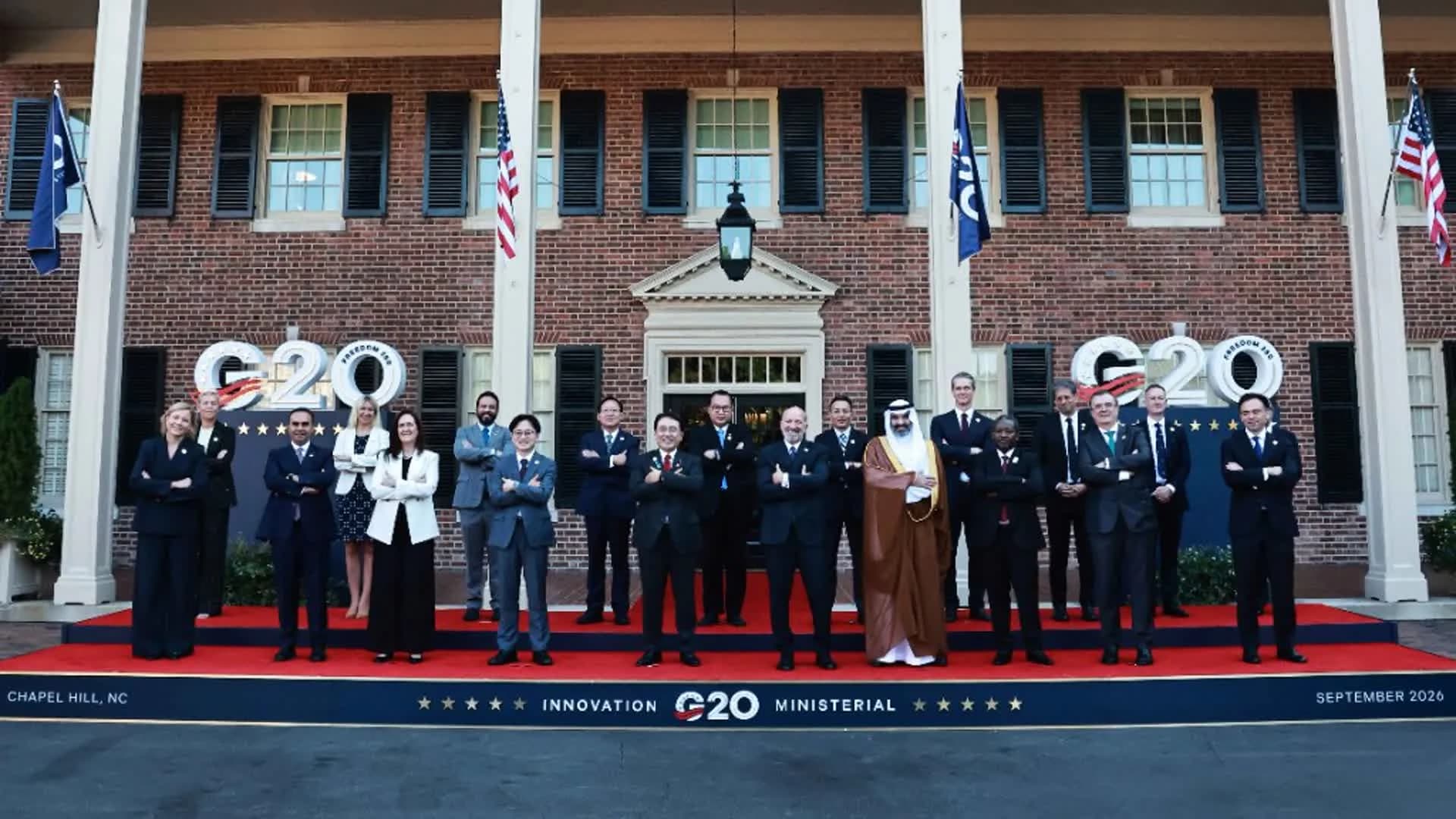
The G20 Innovation Ministerial took place on September 1–2, 2026, at The Carolina Inn in Chapel Hill, North Carolina. The two-day program brought together ministers, senior government officials, and leaders of technology, scientific, energy, and educational organizations.
The G20 Innovation Ministerial was jointly organized by the US Department of Commerce and the White House Office of Science and Technology Policy. Its principal hosts were US Secretary of Commerce Howard Lutnick and Office of Science and Technology Policy Director Michael Kratsios. The official announcement from the International Trade Administration
Artificial intelligence was central to the public program, but the discussion went beyond software and AI models. Participants addressed electricity, chips, data centers, scientific research, intellectual property, technical standards, supply chains, and preparing people for a changing labor market.
What is the G20 Innovation Ministerial?
The G20 Innovation Ministerial is a ministerial meeting held within the work of the Group of Twenty. It is a separate event from the annual summit of heads of state and government.
The purpose of the G20 Innovation Ministerial was to bring representatives of the participating countries and unions together to discuss policies that support the development and deployment of emerging technologies. The priorities announced in advance included artificial intelligence, scientific and technological progress, economic growth, manufacturing investment, and supply chain resilience.
The program combined two related strands. Ministers worked on shared policy principles and documents, while invited representatives of business, science, and education presented their own views on the development and application of emerging technologies.
Which countries and unions were represented?
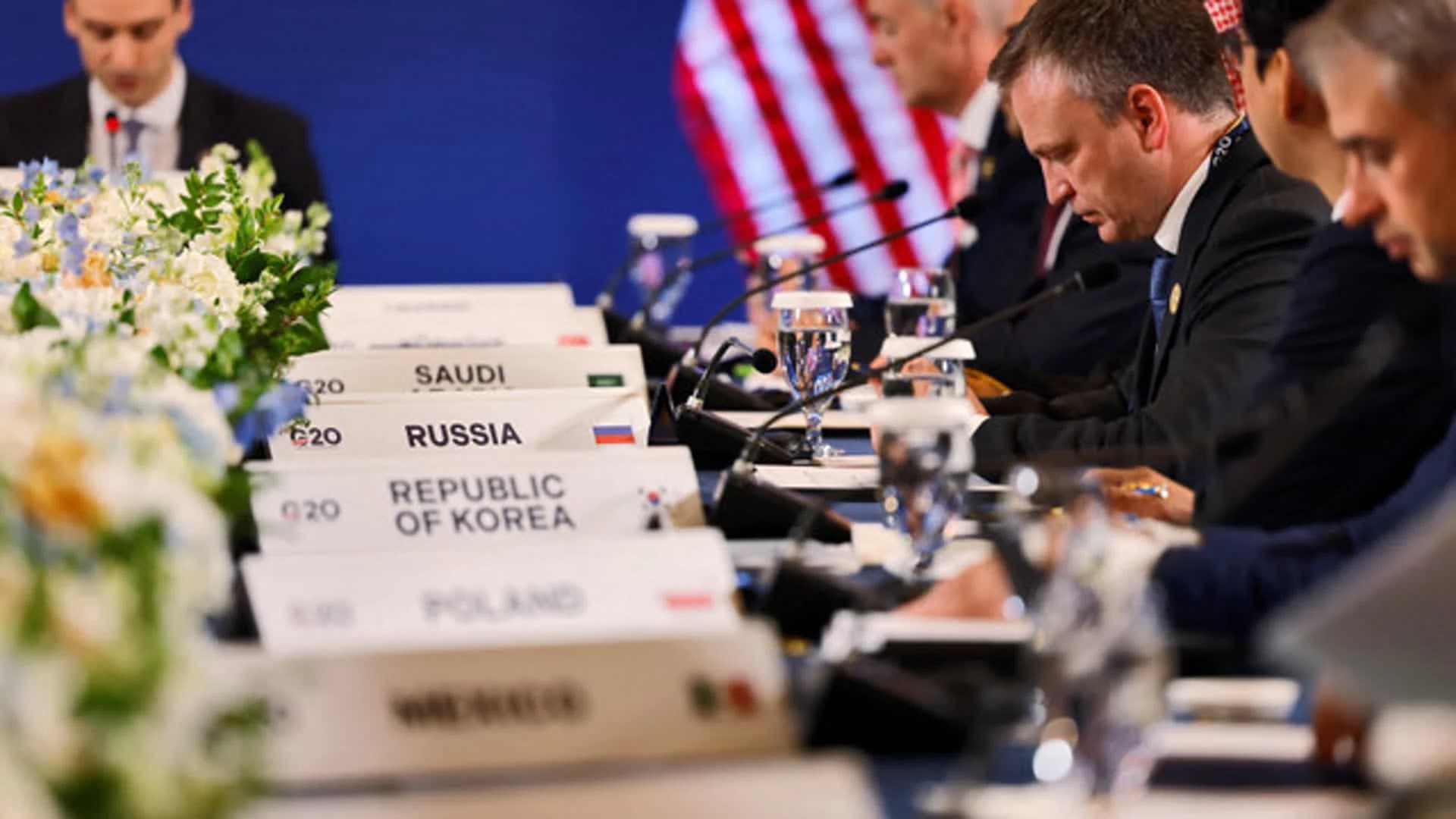
The United States hosted the G20 Innovation Ministerial. According to the official closing announcement, representatives also attended from:
- the African Union;
- Argentina;
- Australia;
- Brazil;
- Canada;
- China;
- the European Union;
- France;
- Germany;
- India;
- Indonesia;
- Italy;
- Japan;
- Mexico;
- Poland;
- Russia;
- Saudi Arabia;
- the Republic of Korea;
- Türkiye;
- the United Kingdom.
The official announcement identifies the countries and unions represented, without publishing a complete list of all national delegation members in one place. The White House closing announcement
The hosts of the G20 Innovation Ministerial
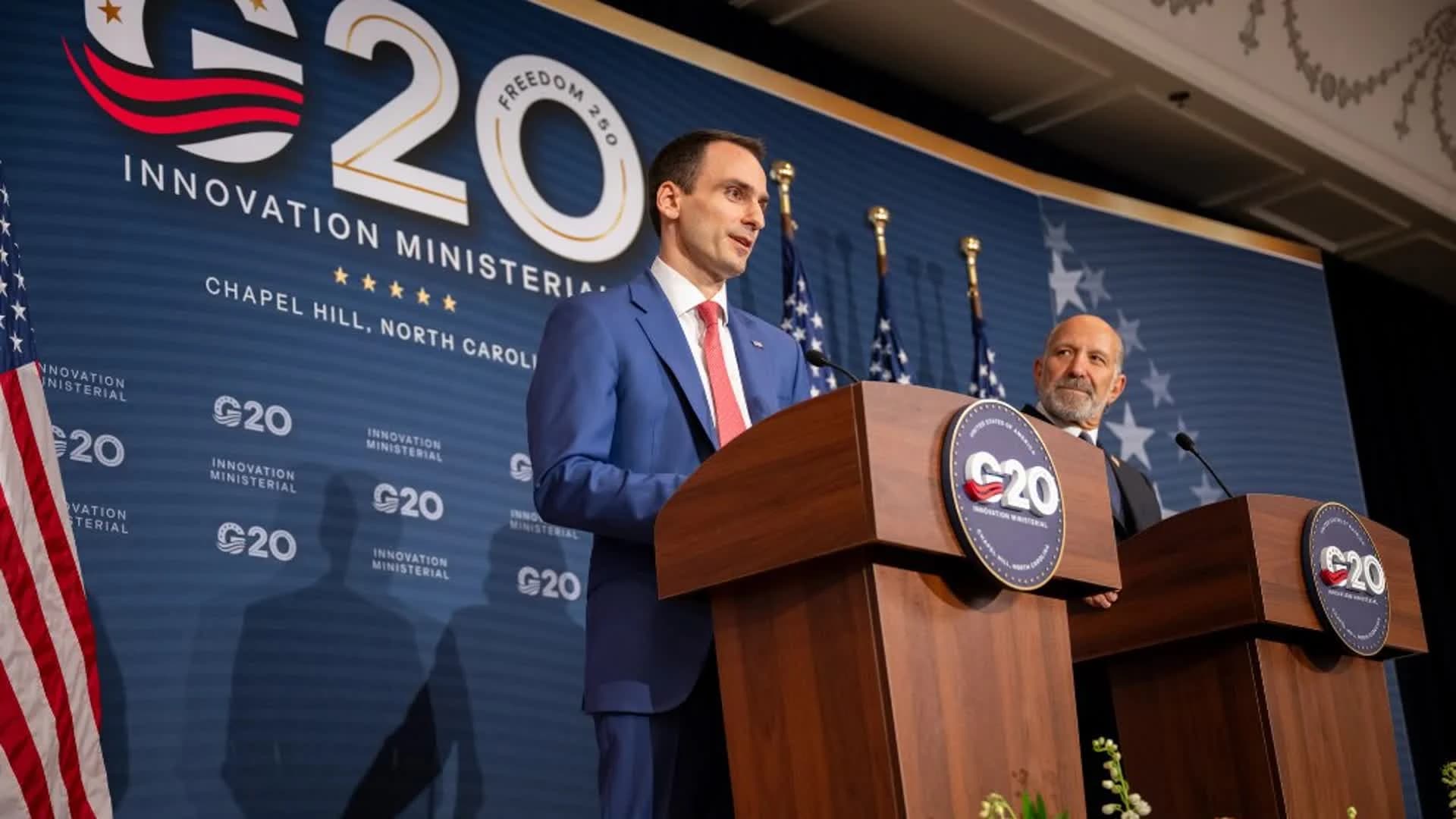
Michael Kratsios opened the first day of the G20 Innovation Ministerial. As Director of the White House Office of Science and Technology Policy, he presented the Carolina Principles for Emerging Technologies and led the first set of public conversations.
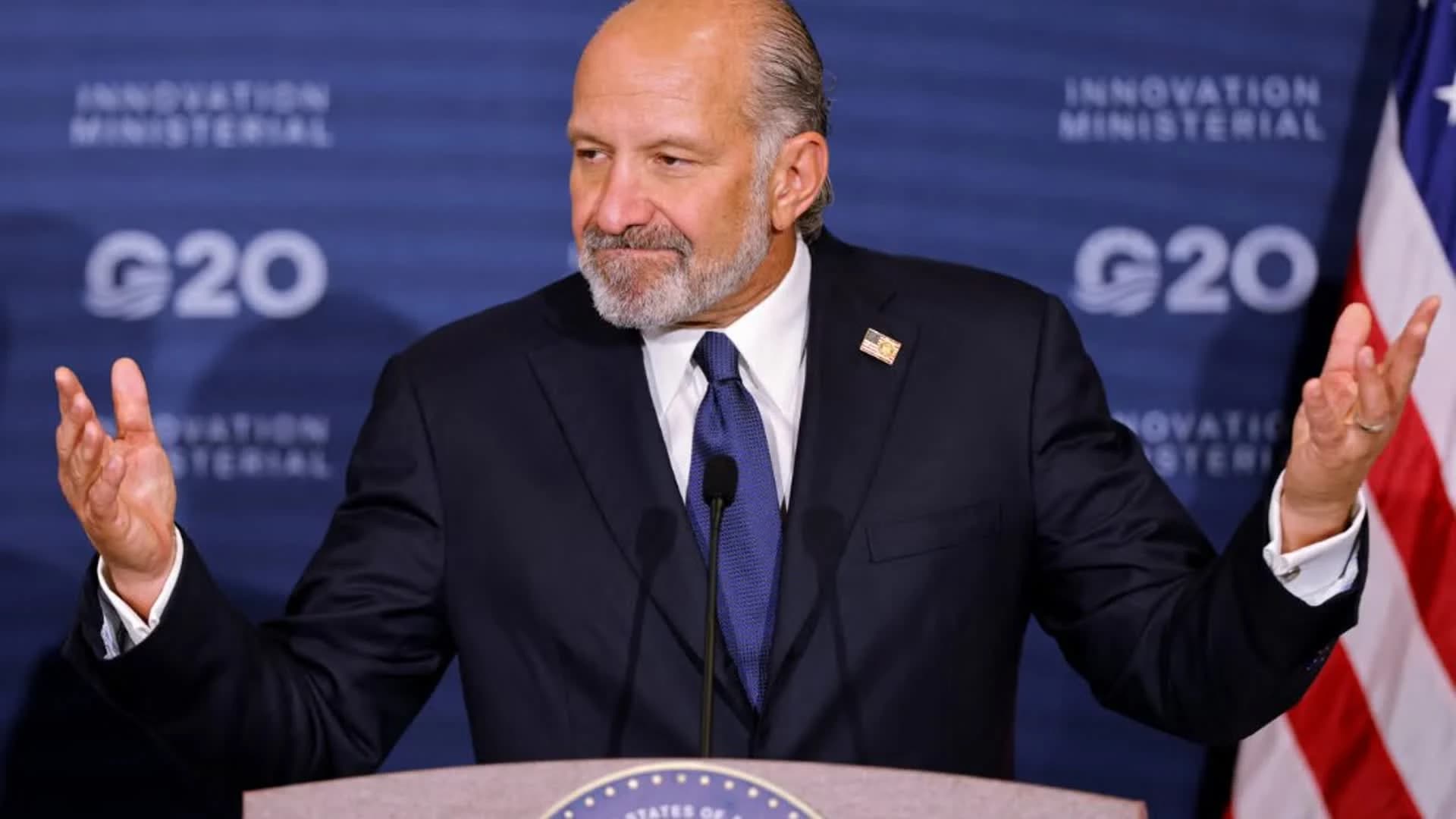
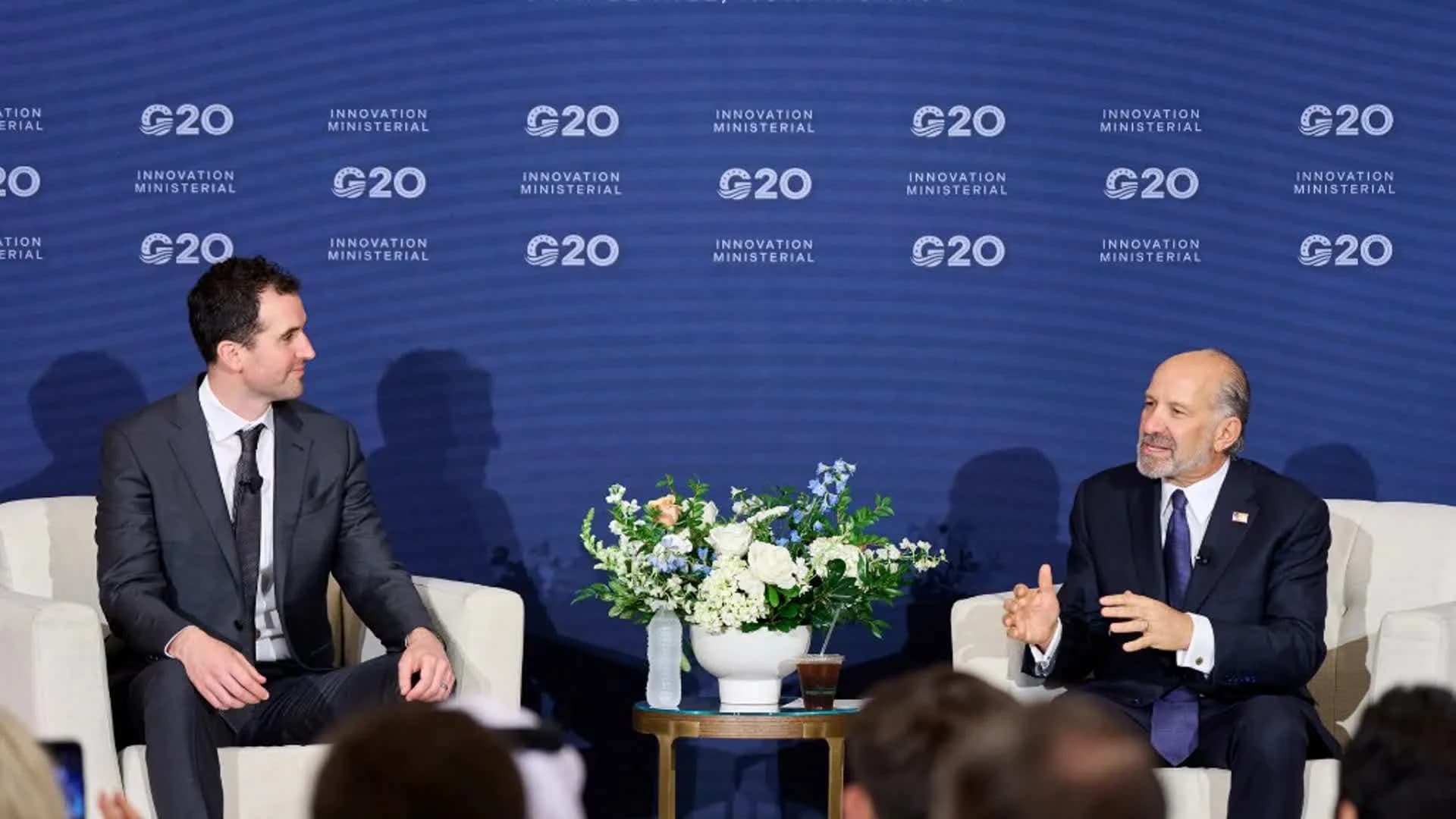
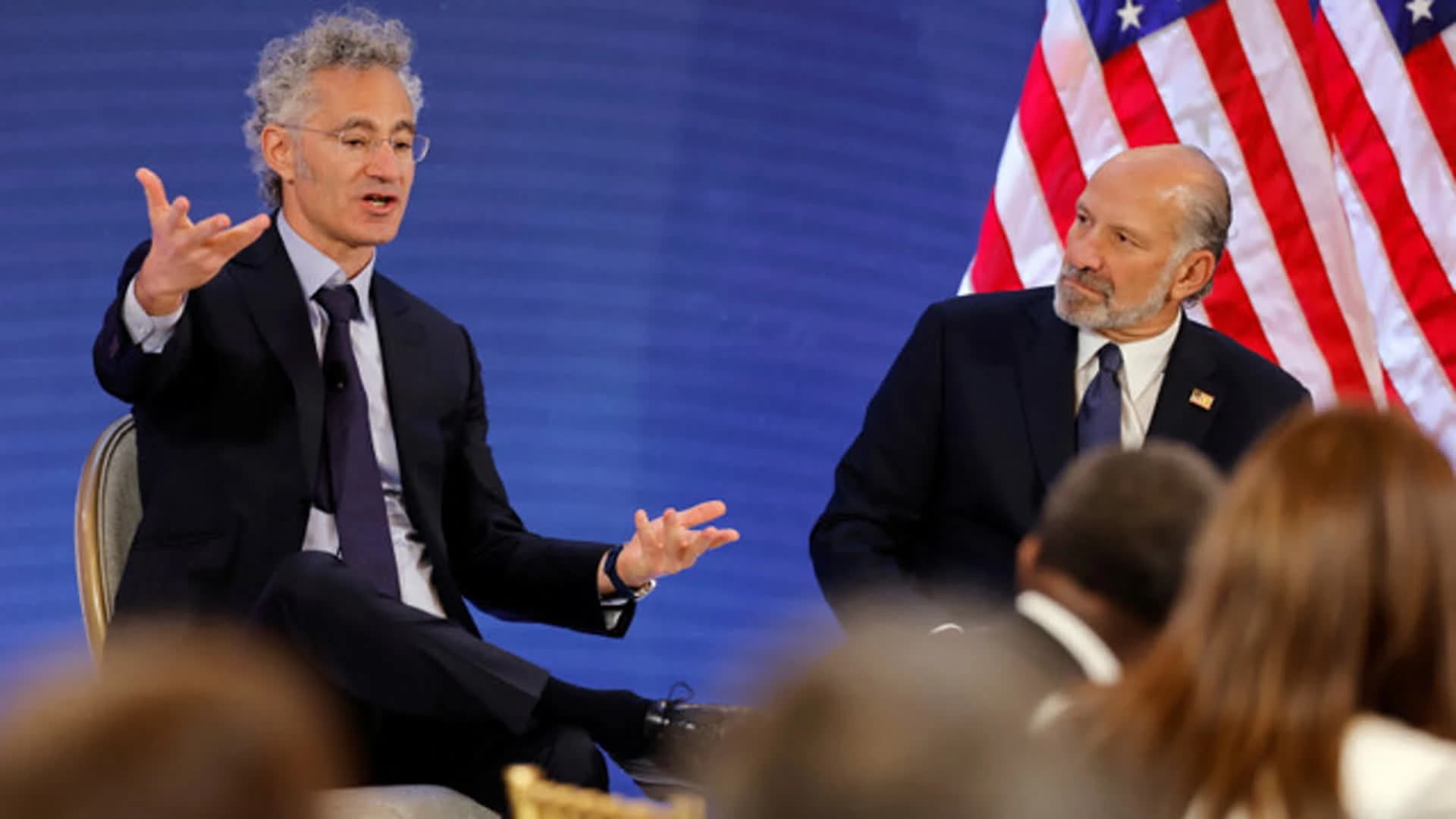
Howard Lutnick led the public program on the second day. As US Secretary of Commerce, he focused on investment, scientific discovery, industrial development, and supply chain resilience.
At the close of the G20 Innovation Ministerial, Michael Kratsios and Howard Lutnick took part in the final press conference, where they presented the agreement reached by the ministers.
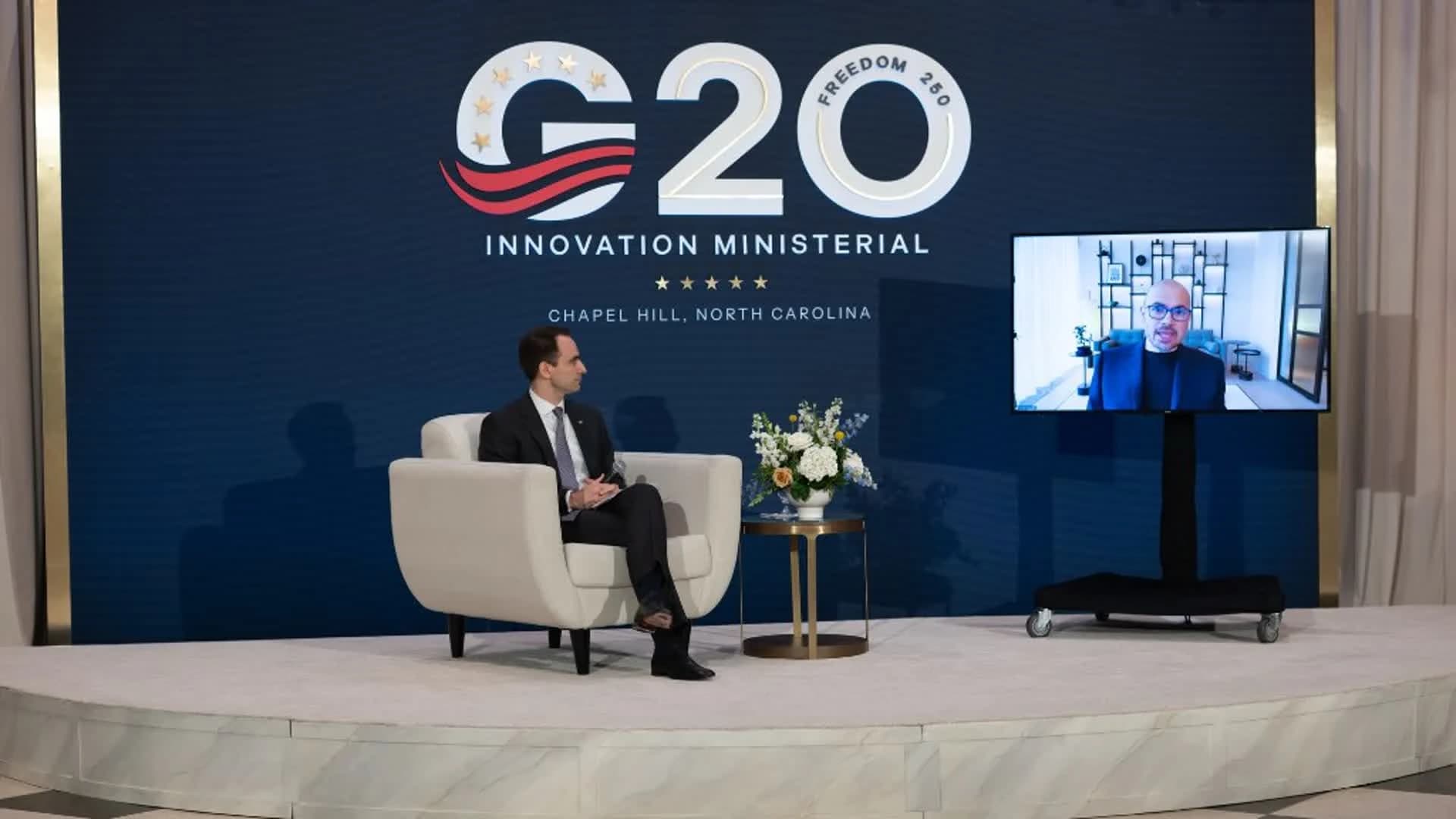
Participants in the public conversations
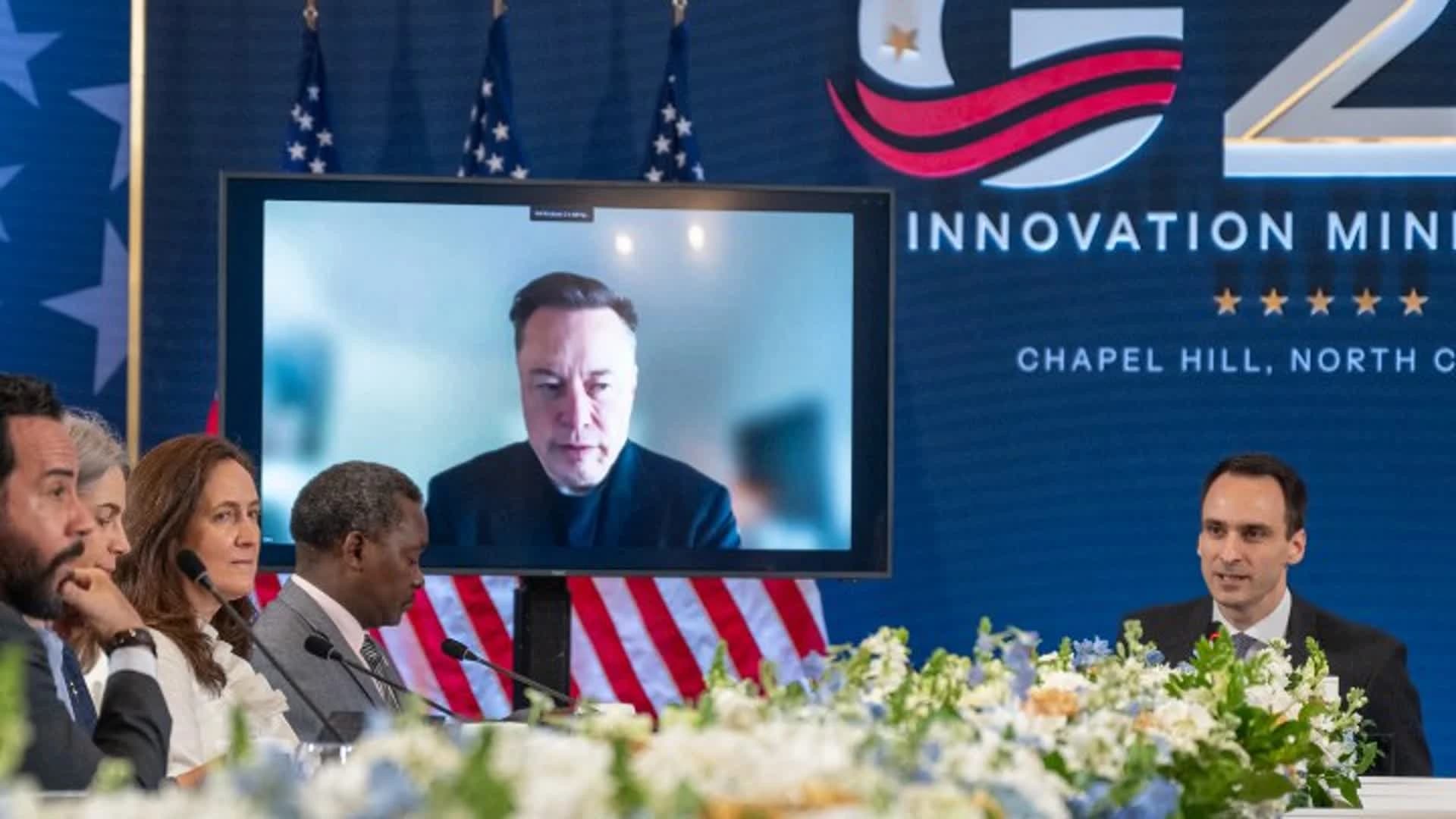
Conversations led by Michael Kratsios
- Elon Musk, CEO of Tesla and SpaceX;
- David Sacks, co-chair of the President’s Council of Advisors on Science and Technology;
- Bob Mumgaard, CEO of Commonwealth Fusion Systems;
- Demis Hassabis, co-founder and chair of Google DeepMind;
- Mark Zuckerberg, chair and CEO of Meta;
- Michael Crow, president of Arizona State University.
Conversations led by Howard Lutnick
- Jensen Huang, founder and CEO of NVIDIA;
- Tom Brown, co-founder of Anthropic;
- Sam Altman, CEO of OpenAI;
- Alex Karp, co-founder and CEO of Palantir.
Artificial intelligence and economic growth
One of the main threads in the public conversations was the potential for artificial intelligence to increase productivity and change how companies, products, and scientific advances are created.
Elon Musk offered a rough forecast that artificial intelligence could increase the size of the global economy by 20–30%. He linked this expected economic impact to the development of systems capable of performing digital tasks and to the future spread of humanoid robotics.
Mark Zuckerberg discussed artificial intelligence as a tool that could expand individual capabilities and reduce the resources needed to create new products and companies. Sam Altman compared the future spread of artificial intelligence to electrification, presenting the technology as infrastructure that could gradually become part of almost every product and service.
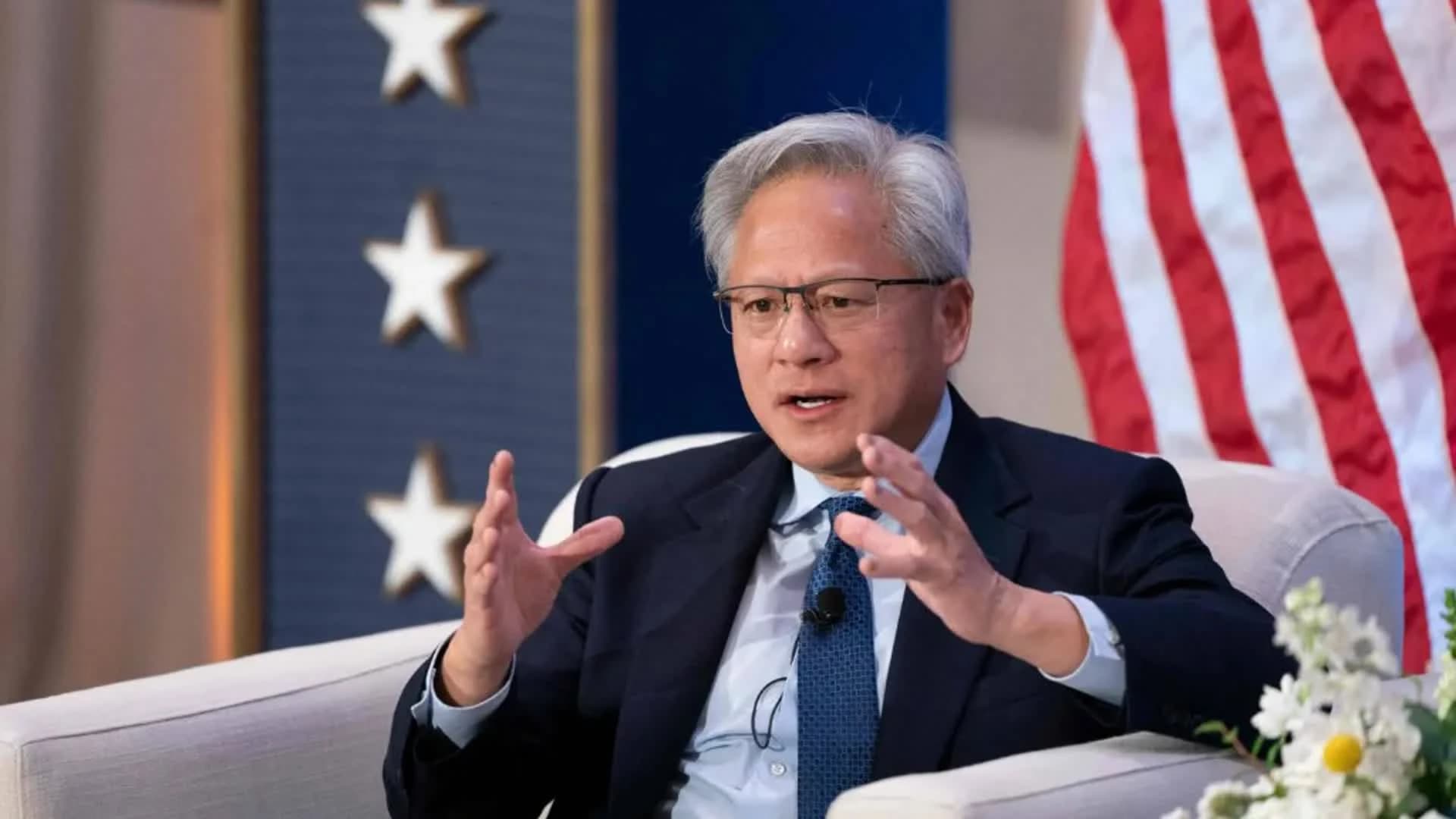
Jensen Huang emphasized the deployment of artificial intelligence in education, healthcare, manufacturing, and science. In his view, each country needs to decide where it wants to build its own capabilities in the development and application of the technology.
The energy and infrastructure behind AI
The development of artificial intelligence was also considered as an infrastructure challenge.
Jensen Huang described AI infrastructure as a system of five interdependent layers: energy, chips, data centers, AI models, and applications. Under the framework he presented, countries do not need to build every layer themselves, but they do need to decide where to invest and how to ensure access to the technology.
Elon Musk drew attention to the growing electricity consumption of data centers. David Sacks linked investment in AI infrastructure to expanding energy capacity and manufacturing. Bob Mumgaard examined the role of fusion energy and the potential for new energy technologies to help meet future electricity demand.
Electricity, computing capacity, and data centers thus emerged as recurring themes across both days of the G20 Innovation Ministerial. Coverage of the first and second day by The Daily Tar Heel
Science, education, and the workforce
Another central theme was how artificial intelligence can be used in scientific research and how people should be prepared to work with the new systems.
Michael Kratsios highlighted applications of artificial intelligence in materials science, chemistry, mathematics, and physics. Demis Hassabis used AlphaFold as an example of how AI tools could accelerate certain stages of scientific research and drug development.
Tom Brown discussed the simultaneous construction of physical infrastructure and expansion of the available capacity for intellectual work. Michael Crow presented Arizona State University’s approach to education amid rapid technological change, emphasizing people’s ability to acquire new knowledge and skills throughout their working lives.
Developing a technical workforce was also included among the official pillars of the joint ministerial statement.
Carolina Principles for Emerging Technologies
The Carolina Principles for Emerging Technologies were the main shared policy text presented at the G20 Innovation Ministerial.
The principles cover three stages in the development of emerging technologies:
- investment in fundamental scientific research;
- building better pathways from scientific discovery to development and practical application;
- creating the conditions for trustworthy deployment.
On regulation, the Carolina Principles for Emerging Technologies encourage the use of existing sector-specific rules where they already cover a particular activity or risk. New rules are envisaged for circumstances not covered by existing frameworks.
The American hosts presented this approach as a way to sustain an environment that encourages scientific research and investment. The European Union joined the discussions with its regulatory framework already adopted, including the AI Act. The differences between the two approaches are examined in the separate article “The United States and the European Union: different approaches to AI regulation”.
What was agreed
On September 2, 2026, the ministers reached agreement on the G20 Innovation Ministerial Statement. The joint statement is organized around six pillars:
- policies that encourage innovation;
- technologies for opportunity and prosperity;
- developing a skilled technical workforce;
- policies on intellectual property and artificial intelligence;
- standards for artificial intelligence and the use of AI in developing standards;
- industrial innovation and investment in supply chains.
The ministers also reached agreement on the Carolina Principles for Emerging Technologies. Other officially announced outcomes included the G20 AI Prosperity Objectives and the AI Prosperity Compact, aimed at developing technical skills and expanding partnerships with the private sector. The official publication of the G20 Innovation Ministerial Statement
The content and role of the individual documents are examined in detail in “What was agreed at the G20 Innovation Ministerial”.
From discussions to shared principles
The G20 Innovation Ministerial covered the entire path of technological development: from fundamental scientific research and the creation of AI models to energy, data centers, skills, and deployment rules.
The public conversations set out the expectations of the people and organizations developing the technologies and the infrastructure they require. The work among government representatives concluded with a joint ministerial statement, the Carolina Principles for Emerging Technologies, and initiatives related to developing a skilled technical workforce.
That was the concrete outcome of the two days in Chapel Hill: a shared framework for supporting scientific research, turning discoveries into usable technologies, and creating the conditions for their deployment.
Sources
- whitehouse.govThe White House: G20 Innovation Ministerial Concludes with Consensus Statement (opens in a new tab)
- trade.govInternational Trade Administration: Press Registration for the G20 Innovation Ministerial (opens in a new tab)
- gov.ukG20 Innovation Ministerial Statement, 2 September 2026 (opens in a new tab)
- commerce.govCarolina Principles for Emerging Technologies (opens in a new tab)
- commerce.govG20 Innovation Ministerial Statement, Pillars I to VI (opens in a new tab)
- dailytarheel.comThe Daily Tar Heel: G20 Innovation Ministerial kicks off in Chapel Hill (opens in a new tab)
- dailytarheel.comThe Daily Tar Heel: Day two of G20 Innovation Ministerial (opens in a new tab)