By Neda Veleva · · 8 min read
What was agreed at the G20 Innovation Ministerial: the four documents and how they differ
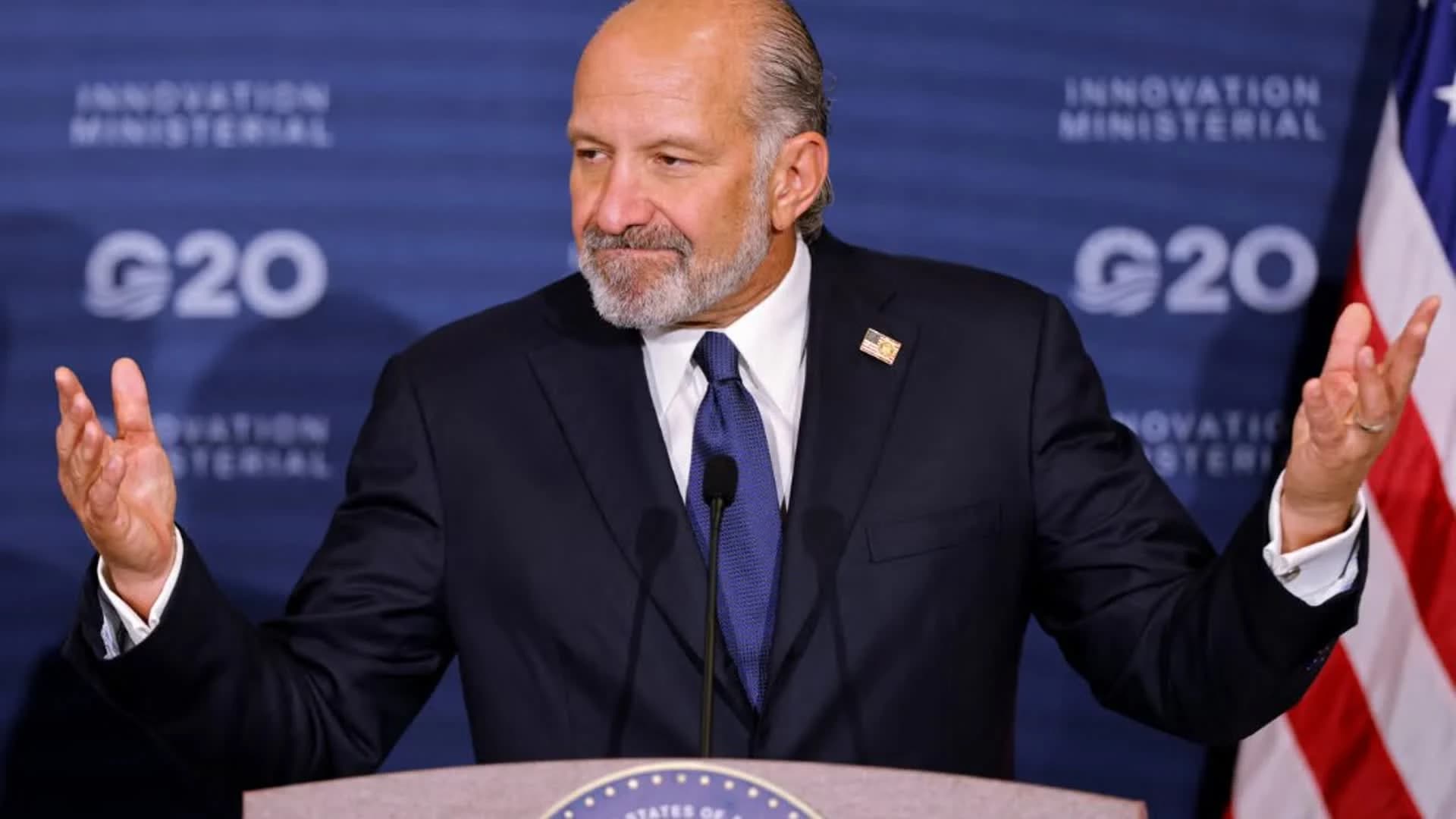
Four documents, but four different kinds of outcome. On September 2, 2026, the G20 Innovation Ministerial concluded with a joint ministerial statement, principles for emerging technologies, objectives for developing AI skills and a voluntary framework for participation by businesses, universities and research organizations.
← Back to overview
The consensus covers the overall direction of cooperation. Specific laws, budgets, programs and timelines remain within the authority of individual countries and participating organizations.
The essentials at a glance
The official outcomes of the G20 Innovation Ministerial are:
- G20 Innovation Ministerial Statement: a joint political statement organized around six thematic areas.
- Carolina Principles for Emerging Technologies: principles for scientific research, translating discoveries into practical applications and the trustworthy deployment of new technologies.
- G20 AI Prosperity Objectives: objectives for AI literacy, education, vocational training and skills development.
- AI Prosperity Compact: a voluntary framework through which companies, universities and other organizations can support these objectives.
The first two texts are presented as the result of consensus among ministers. The G20 AI Prosperity Objectives and AI Prosperity Compact are additional outcomes focused primarily on the workforce and partnerships with the private and academic sectors.
G20 Innovation Ministerial Statement
The G20 Innovation Ministerial Statement is the joint political statement of the participating ministers. It sets out shared principles in six areas.
1. Policies that encourage innovation
The document emphasizes predictable, flexible and evidence-based policies. The aim is for regulatory mechanisms to be able to adapt to different technologies, sectors and national circumstances.
2. Technologies for economic opportunity and well-being
The second area treats emerging technologies as a means of increasing productivity, expanding economic opportunities and improving access to innovation.
The focus is not only on developing technologies, but also on the conditions for their practical adoption.
3. A skilled technical workforce
Technology policy is connected to education, professional preparation, reskilling, upskilling and lifelong learning.
This area recognizes that wider use of AI and other emerging technologies requires both technical specialists and greater technological literacy across the rest of the workforce.
4. Intellectual property in artificial intelligence
The document addresses the protection of authors, inventors and other rights holders, as well as the conditions for research and the development of new systems.
The joint text sets a direction for cooperation but leaves specific rules and their enforcement to national legislation and institutions.
5. AI for standards and standards for AI
The fifth area covers two connected subjects: developing standards for artificial intelligence systems and using AI in the processes of creating, evaluating and applying standards.
Standards are presented as a practical tool for interoperability, quality and trust in the deployment of new technologies.
6. Industrial innovation, investment and supply chains
The final area covers production capacity, investment and the resilience of the infrastructure and supply chains on which the development of new technologies depends.
This includes not only digital systems but also the physical foundation behind them: manufacturing, energy, equipment, materials and specialized components.
Carolina Principles for Emerging Technologies
The Carolina Principles for Emerging Technologies describe a sequential path from scientific discovery to trustworthy deployment.
The document sets out three main tasks:
- Investment in fundamental scientific research.
- Better pathways from research findings to practical and commercial applications.
- Conditions for the trustworthy adoption and deployment of new technologies.
In regulation, the principles encourage the use of existing sectoral rules where they can address the specific risk. New requirements are envisaged for circumstances not covered by existing mechanisms.
Each country retains the ability to choose its own laws, institutions and implementation tools.
G20 AI Prosperity Objectives
The G20 AI Prosperity Objectives shift attention from technological infrastructure to human capital.
The objectives include:
- AI skills programs and credentials;
- broader AI literacy, including among STEM professionals;
- incorporating AI training into educational and vocational programs;
- internships and practical forms of training;
- age-appropriate education;
- reskilling and upskilling;
- more opportunities for people at the start of their careers;
- sharing effective practices between countries.
The objectives can be adapted to different education systems and labor markets. The document does not establish a single curriculum, a shared budget or a binding international deadline.
AI Prosperity Compact
The AI Prosperity Compact is a voluntary framework for companies, universities, research institutions and educational organizations.
Participants can support the G20 AI Prosperity Objectives through investment in:
- education and vocational training;
- reskilling and upskilling;
- practical programs for gaining experience;
- access to technology careers;
- clearer career pathways to quality jobs.
The AI Prosperity Compact is not an international treaty and does not automatically create legal obligations for private organizations. Its practical impact will depend on the participants, the commitments they make and how results are tracked and reported.
How the four documents differ
The G20 Innovation Ministerial Statement sets the overall policy direction in six areas.
The Carolina Principles for Emerging Technologies propose an approach to the development, regulation and deployment of new technologies.
The G20 AI Prosperity Objectives set out specific goals for education, skills and workforce preparation.
The AI Prosperity Compact provides a voluntary mechanism through which organizations outside government can participate in delivering those goals.
Together, the documents connect policy, science, education, industry and the labor market without placing them under a single international legal regime.
What comes after the G20 Innovation Ministerial
The next stage is implementation. National administrations must decide which principles will be translated into specific policies, programs or regulatory changes.
Businesses, universities and research organizations can participate through training, research partnerships, investment and voluntary commitments under the AI Prosperity Compact.
Progress will be assessable through concrete results:
- education and reskilling programs established;
- investment in fundamental and applied research;
- better pathways from scientific discovery to market;
- organizational participation in the AI Prosperity Compact;
- national policies on intellectual property and standards;
- investment in production capacity and resilient supply chains.
The official documents and participants’ positions
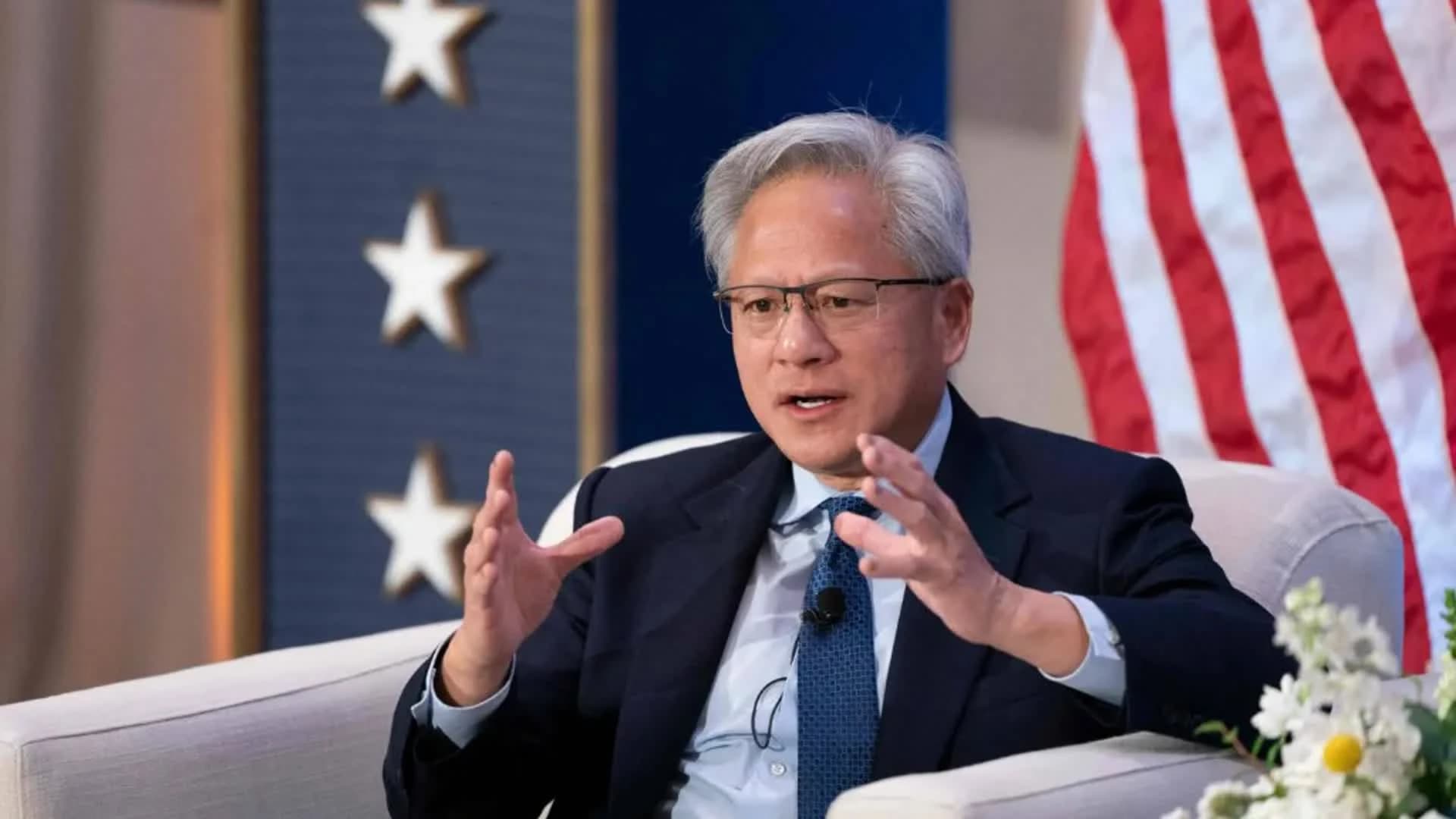
The remarks by Elon Musk, Mark Zuckerberg, Sam Altman, Jensen Huang, Alex Karp and the other public guests form part of the conversations surrounding the G20 Innovation Ministerial.
Their forecasts and corporate positions are not part of the official consensus unless a specific idea appears in the adopted documents. The official outcome is defined by the published texts.
Sources
- whitehouse.govThe White House: closing announcement on the G20 Innovation Ministerial (opens in a new tab)
- commerce.govG20 Innovation Ministerial Statement (opens in a new tab)
- commerce.govCarolina Principles for Emerging Technologies (opens in a new tab)
- commerce.govG20 AI Prosperity Objectives (opens in a new tab)
- commerce.govAI Prosperity Compact (opens in a new tab)