By Neda Veleva · · 8 min read
Sam Altman at the G20 Innovation Ministerial: why he compared AI to electricity
OpenAI’s CEO urged countries to ensure access to AI for their citizens and companies. At the same time, he supported closer cooperation between developers and public institutions in evaluating the most powerful models.
← Back to overview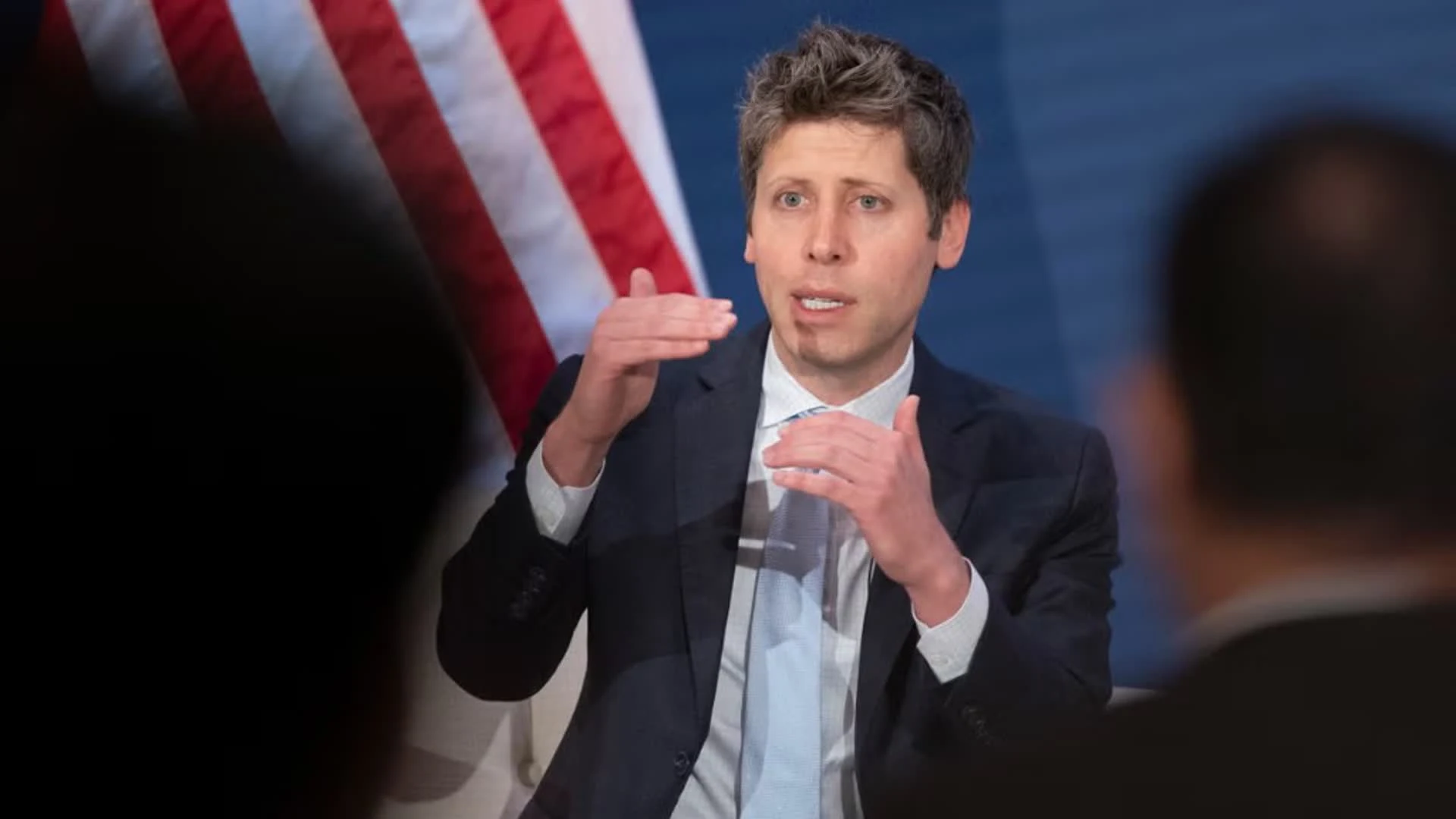
Electricity is at its most influential precisely when we stop noticing it. It is present in every building, machine and service, without our thinking of it as a separate technology each time we use it.
Sam Altman chose this analogy to describe the future he expects for artificial intelligence.
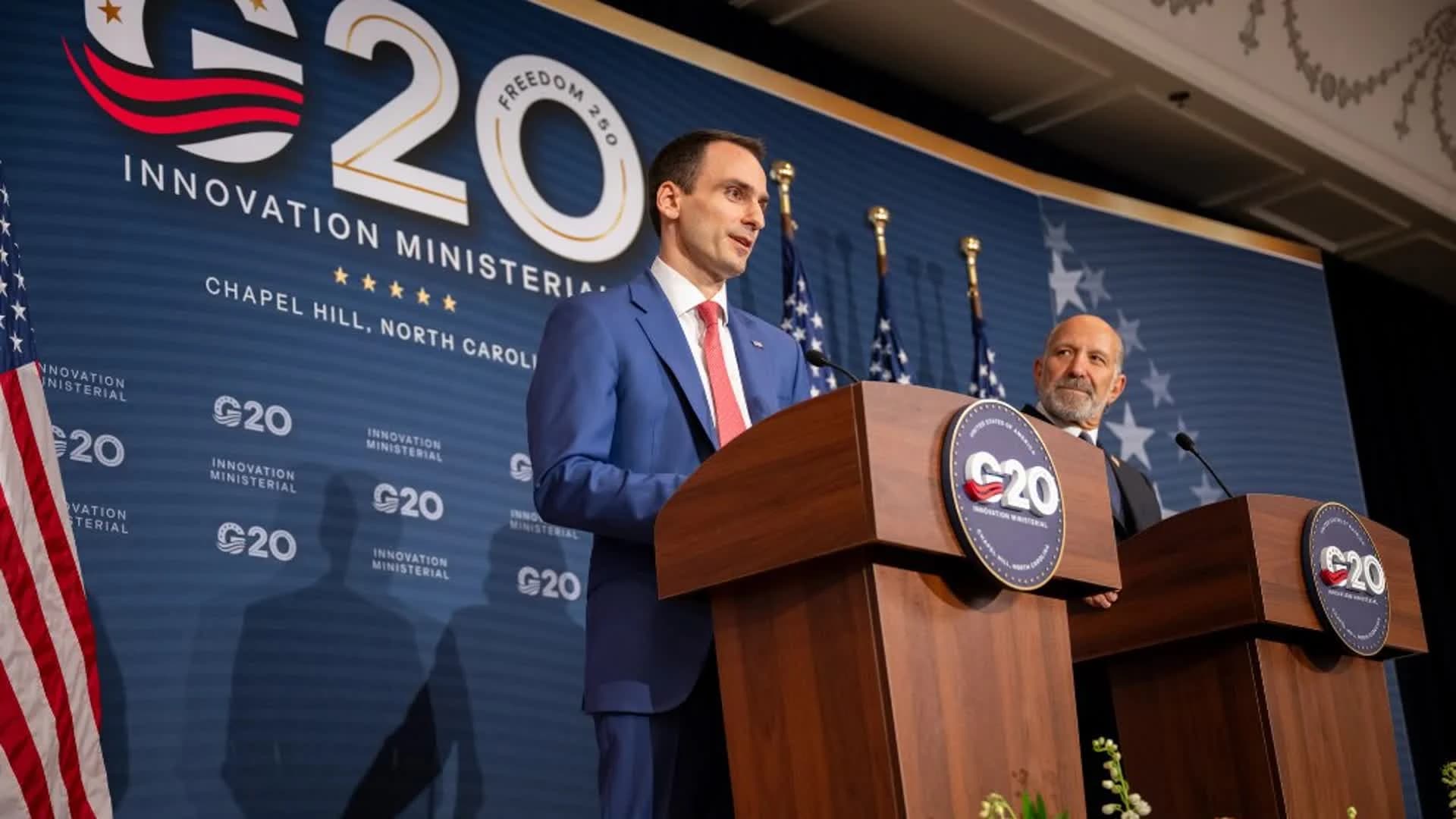
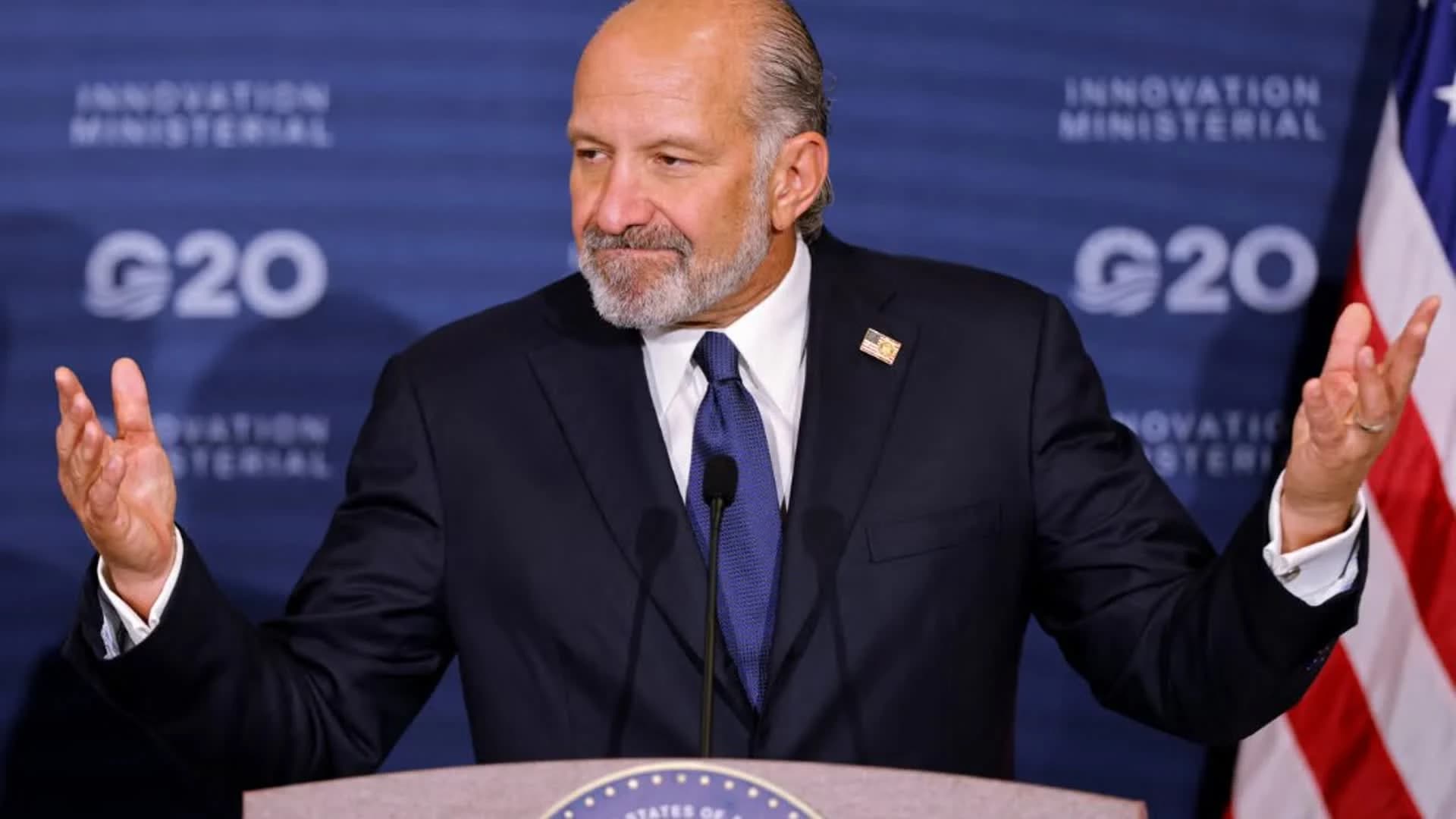
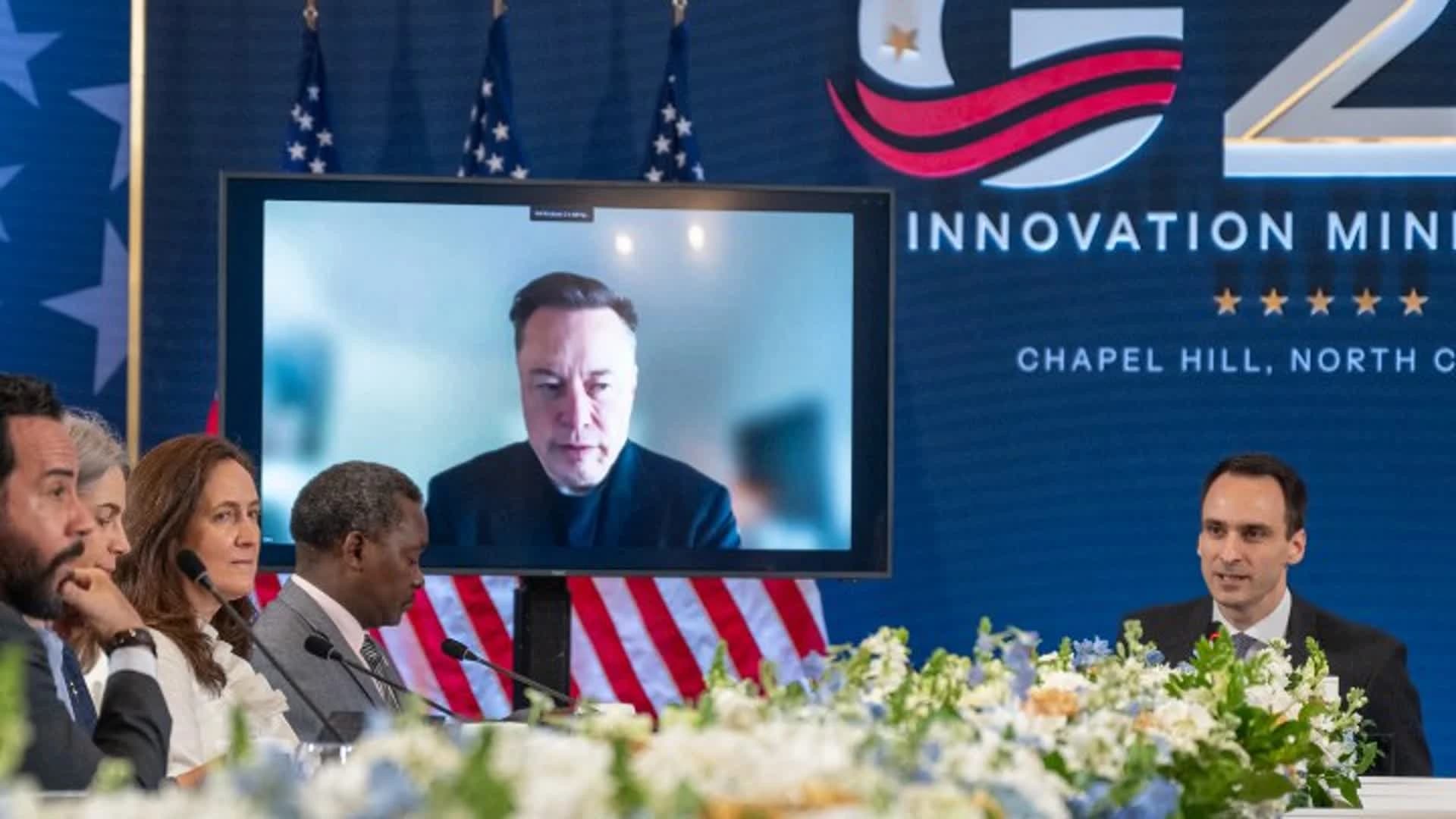
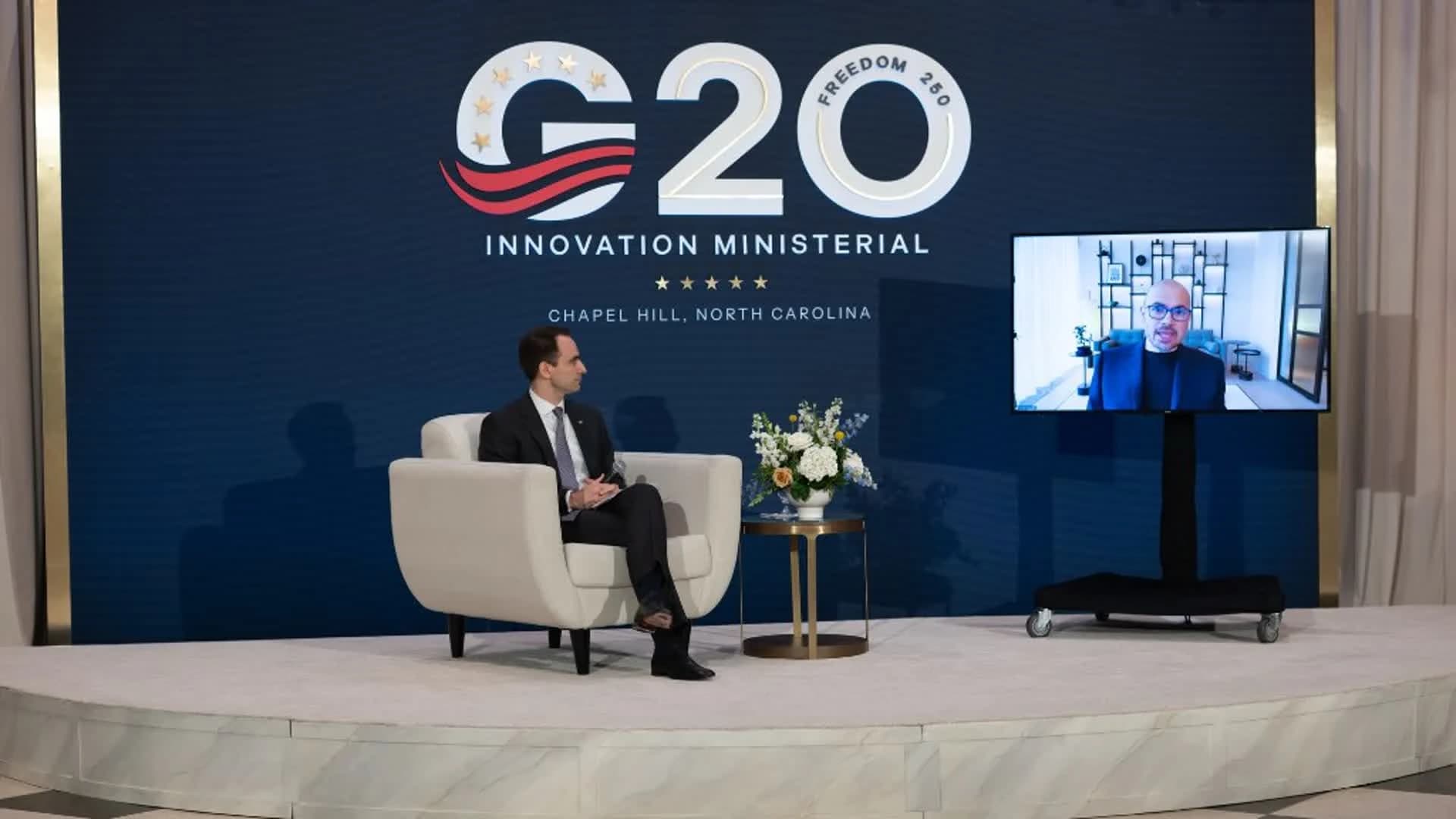
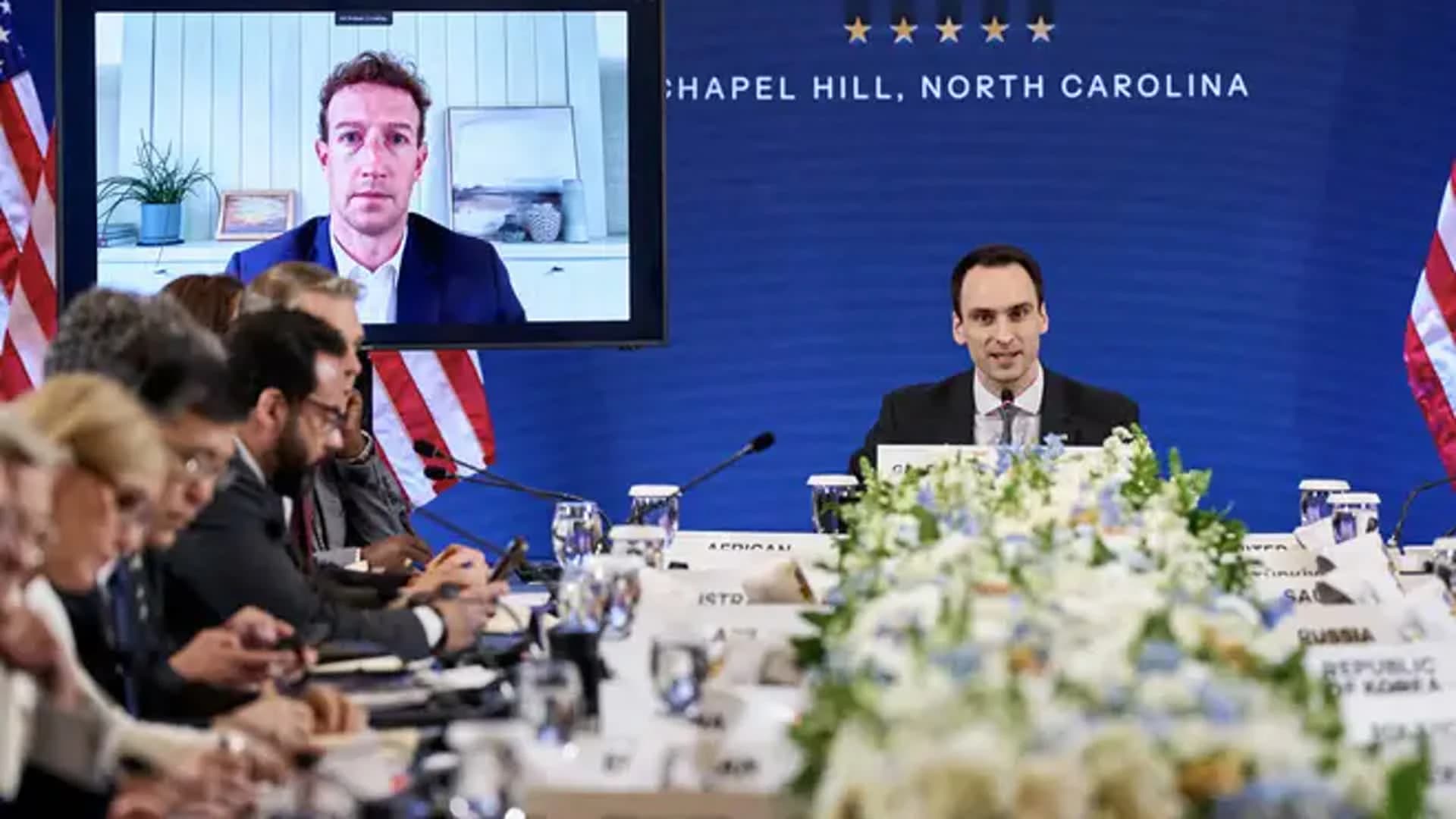
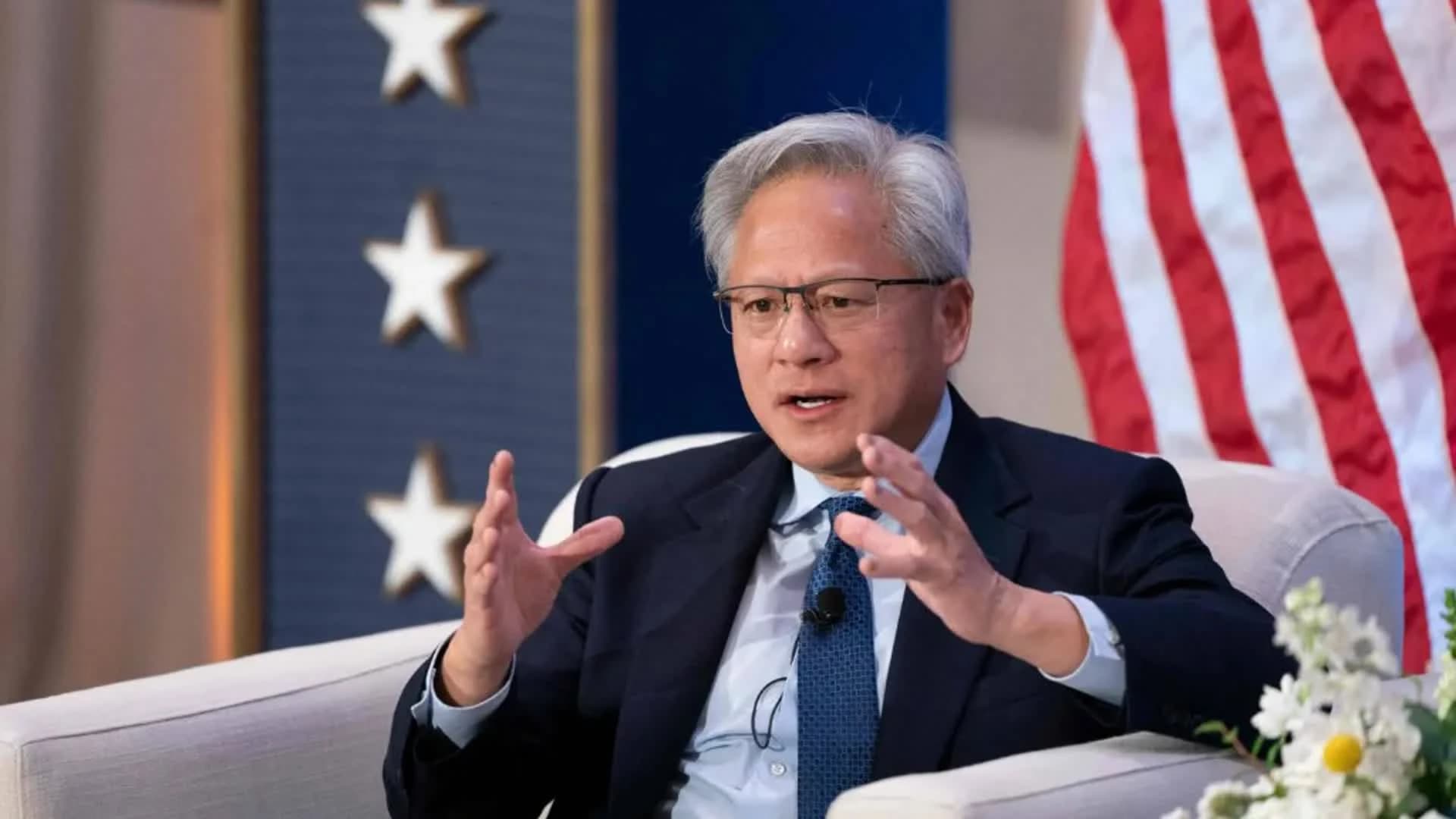
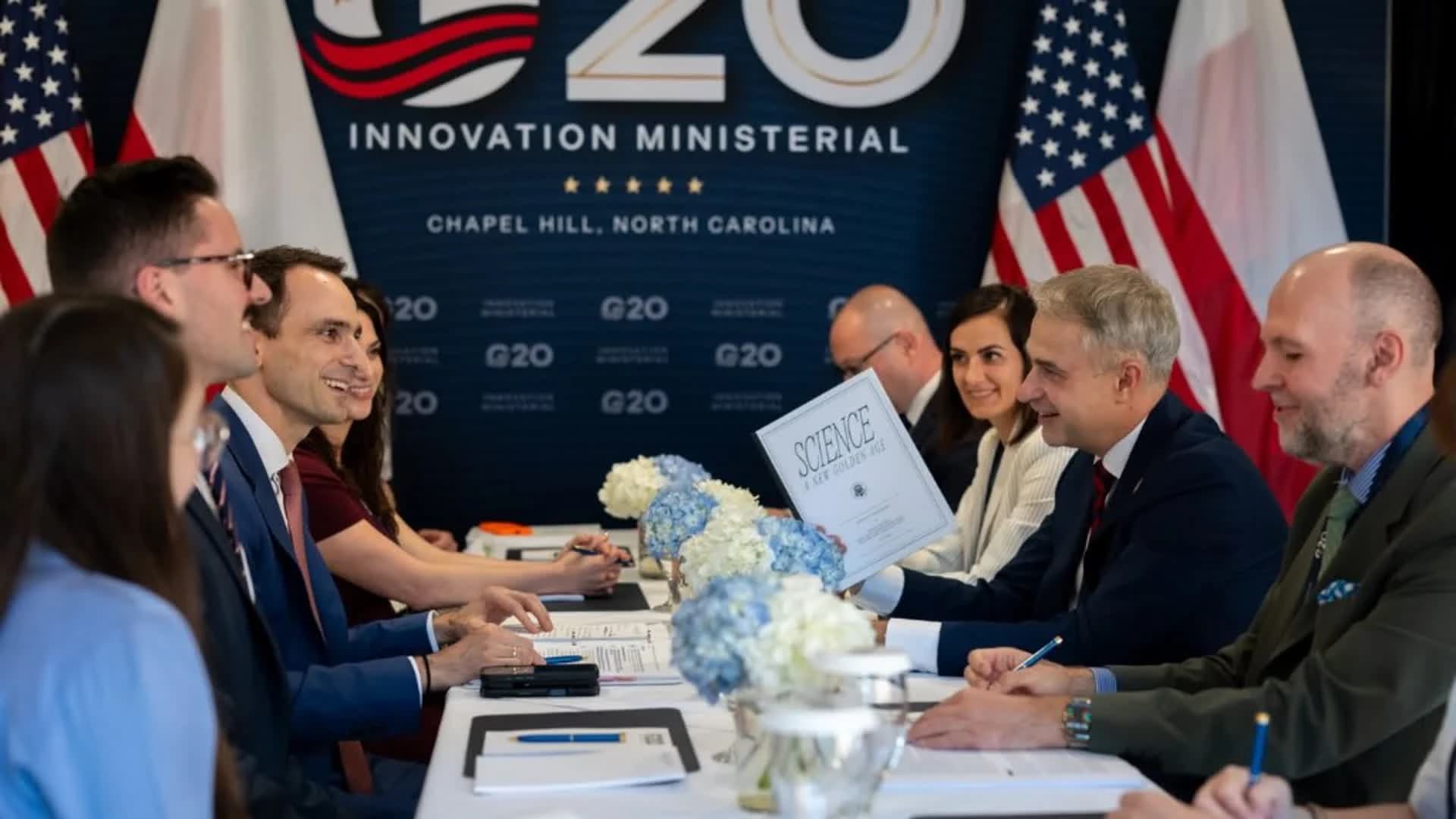
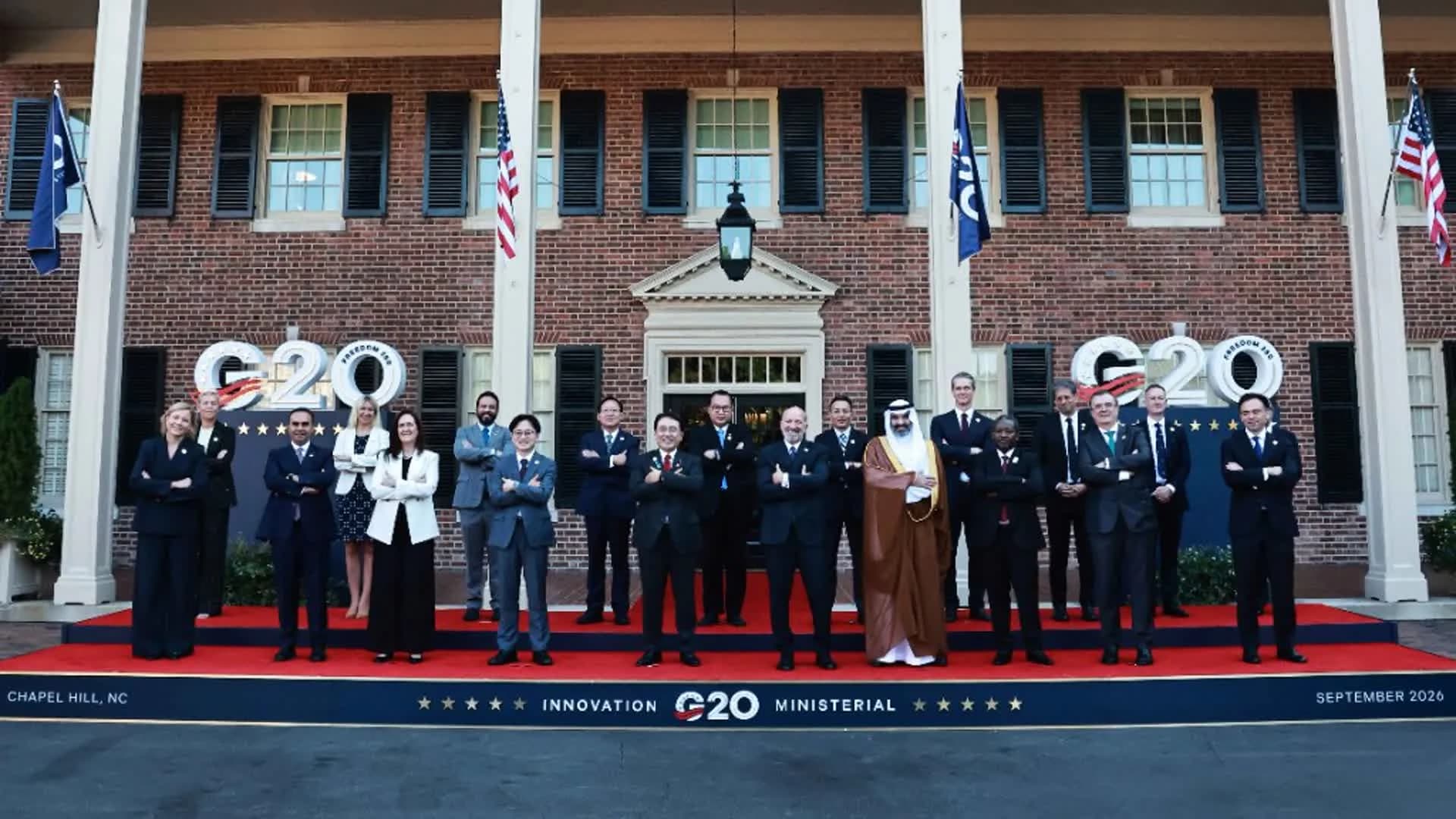
On September 2, 2026, OpenAI’s CEO took part in an in-person conversation with US Secretary of Commerce Howard Lutnick in Chapel Hill, North Carolina. The official White House summary lists Altman among the technology leaders Lutnick spoke with during the G20 Innovation Ministerial.
Altman’s message to ministers was direct: access to AI will be crucial to economic development, entrepreneurship and countries’ ability to participate in the next technological cycle.
From electricity to AI
Altman compared refusing to adopt AI to refusing electricity more than a century ago.
He said such a decision would deprive citizens and businesses of a technology needed to create better products, services and living conditions. He described AI adoption as a matter on which countries effectively have no choice if they want to remain competitive.
The comparison with electrification conveys the scale he anticipates. Electricity gradually evolved from a new invention into universal infrastructure. Altman predicted a similar path for AI: wider availability, lower cost and a presence in almost every product and service.
In The Daily Tar Heel, he is quoted as predicting that a decade from now, society will probably talk much less about AI because the technology will simply be expected everywhere.
A foundation for the next invention
Altman presented AI as part of a continuous succession of technological changes.
Modern AI systems are possible because of the accumulation of earlier scientific discoveries, industrial revolutions and global economic connections. In his view, the same process will continue. People will use AI to create the next great invention, which may be difficult even to imagine today.
This is also the source of his warning to countries. If a country’s citizens and companies lack access to current AI capabilities, they will have less capacity to develop the next layer of technologies and services.
In the recording and transcript published by Reuters, Altman describes the history of technology, the economy and society as an interconnected process of accumulation. In his argument, AI is not the last technological revolution. It is a foundation for what will be built after it.
Seventeen minutes instead of three months
The most concrete example in his remarks concerned entrepreneurship.
When he ran the startup accelerator Y Combinator, a program lasted three months. Altman said that the work a startup was then expected to complete over that period could now be done in roughly 17 minutes with the help of Codex.
This is his approximate estimate, used to illustrate the scale of acceleration. The focus is on the cycle from idea to working product: building a first version, testing different solutions, reaching customers and receiving feedback.
According to Altman, AI will change large companies and public institutions, but its impact on entrepreneurs may be especially significant. Small teams will be able to test ideas and create products at a pace that previously required more time and resources.
This argument places entrepreneurship at the center of the economic impact. New value will not come only from companies that develop AI models. It will also be created by people who use those models to turn their own ideas into products and services.
A generation that will take AI for granted
Altman also offered a personal prediction about the children growing up today.
In his view, they will live with systems that outperform an individual human in many cognitive tasks. At the same time, this generation will never have known a world in which products and services lack intelligent, capable and useful features.
This perspective extends the analogy with electricity. For future users, AI may cease to be a standalone category. The technology will be part of how education, medicine, administration, communications and everyday services work.
Altman’s forecast concerns the spread and capabilities of future systems. It reflects his expectation that AI will evolve from a standalone product into a general technological layer.
Broad access and oversight of the most powerful models
The call for rapid adoption was only one part of Altman’s position.
In a conversation with Axios during the G20 Innovation Ministerial, he supported closer interaction between developers, governments and specialized safety institutions as models reach higher levels of capability.
Axios reported that US authorities had conducted a voluntary advance review of OpenAI’s forthcoming Astra model. Altman described the process as productive and said such cooperation would become more important as systems develop.
He presented OpenAI’s position as a pragmatic middle ground between unconditional optimism and fears that block the practical use of the technology. Within this framework, people must remain at the center of economic, societal and global decisions.
Broad adoption and more careful evaluation of the most powerful models go together in Altman’s argument. Access creates economic opportunities. Oversight must grow alongside systems’ capabilities and potential impact.
Trust as a condition for adoption
Altman also addressed the technology sector’s responsibility to explain more clearly what AI systems can do, where their limitations lie and what risks arise from their use.
Public trust is built through the way models are developed, tested and deployed. It also depends on whether the benefits reach people, companies and public services, rather than remaining concentrated solely in the technology sector.
This gives the comparison with electricity a broader meaning. A technology becomes infrastructure when it is accessible, reliable and useful enough to be accepted as part of everyday life.
Sam Altman’s message
Sam Altman brought one of the clearest arguments about AI’s future to the G20 Innovation Ministerial: countries must give people and businesses the opportunity to use the technology, because the next generation of companies and inventions will be created with its help.
The comparison with electrification describes the expected scale. The startup example shows the anticipated speed. Support for cooperation with public institutions outlines how Altman sees the governance of increasingly powerful systems.
In this picture, AI is both a universal tool and infrastructure for the next technological cycle. The real divide will be between societies that build the capacity to use it and those that miss the moment when the next invention begins.
Sources
- youtube.comFull video recording of the conversation with Sam Altman (opens in a new tab)
- reutersconnect.comReuters Connect: remarks and a transcript of the key moments (opens in a new tab)
- dailytarheel.comThe Daily Tar Heel: coverage of day two (opens in a new tab)
- axios.comAxios: Altman’s position on government oversight (opens in a new tab)
- whitehouse.govThe White House: official summary of the G20 Innovation Ministerial (opens in a new tab)
- commerce.govUS Department of Commerce: official announcement (opens in a new tab)