By Neda Veleva · · 8 min read
Mark Zuckerberg at the G20 Innovation Ministerial: AI in the hands of billions
Meta’s founder, chairman and CEO presented a vision of personal AI agents, more accessible entrepreneurship, open models and new demand for skilled workers.
← Back to overview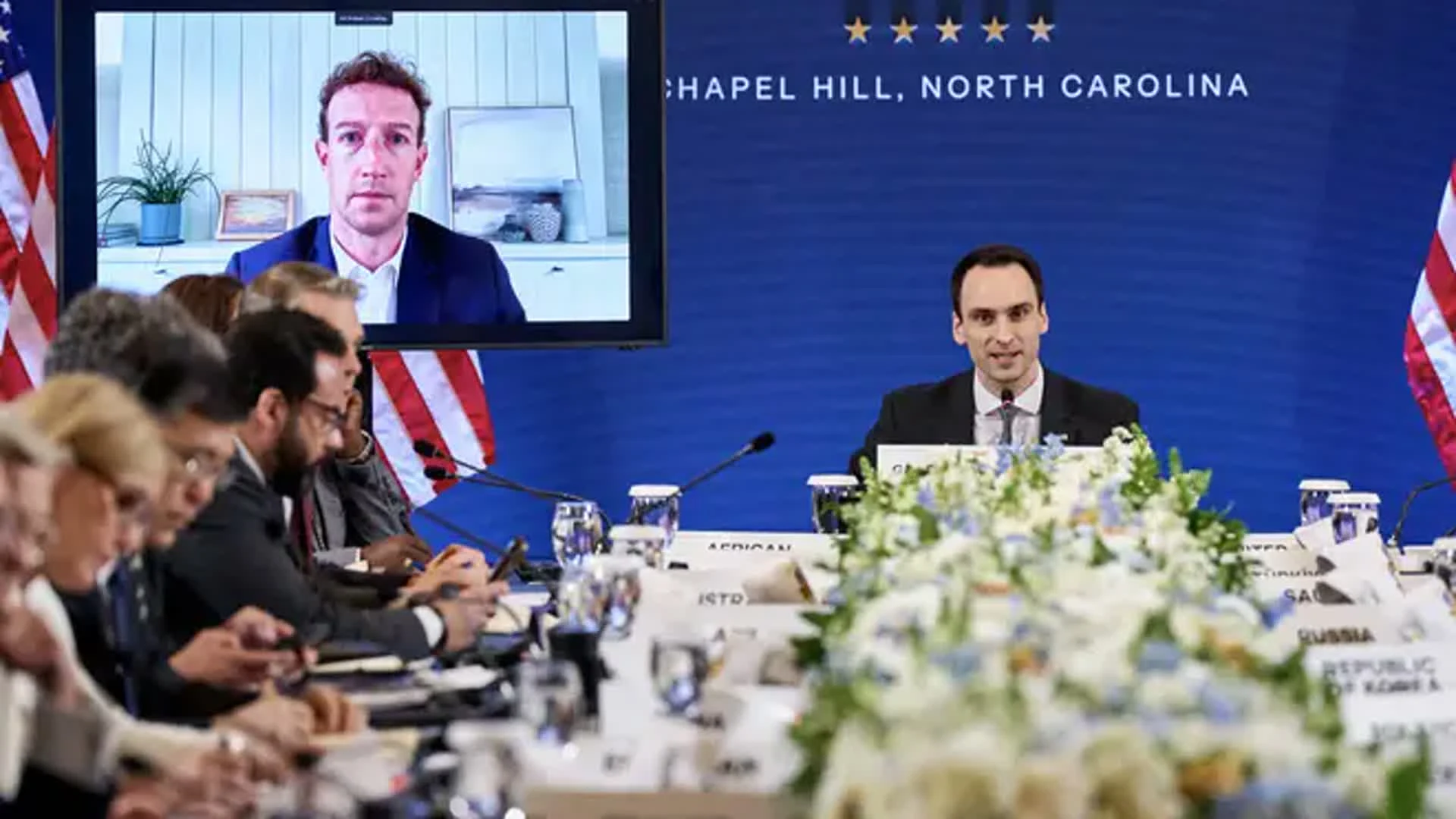
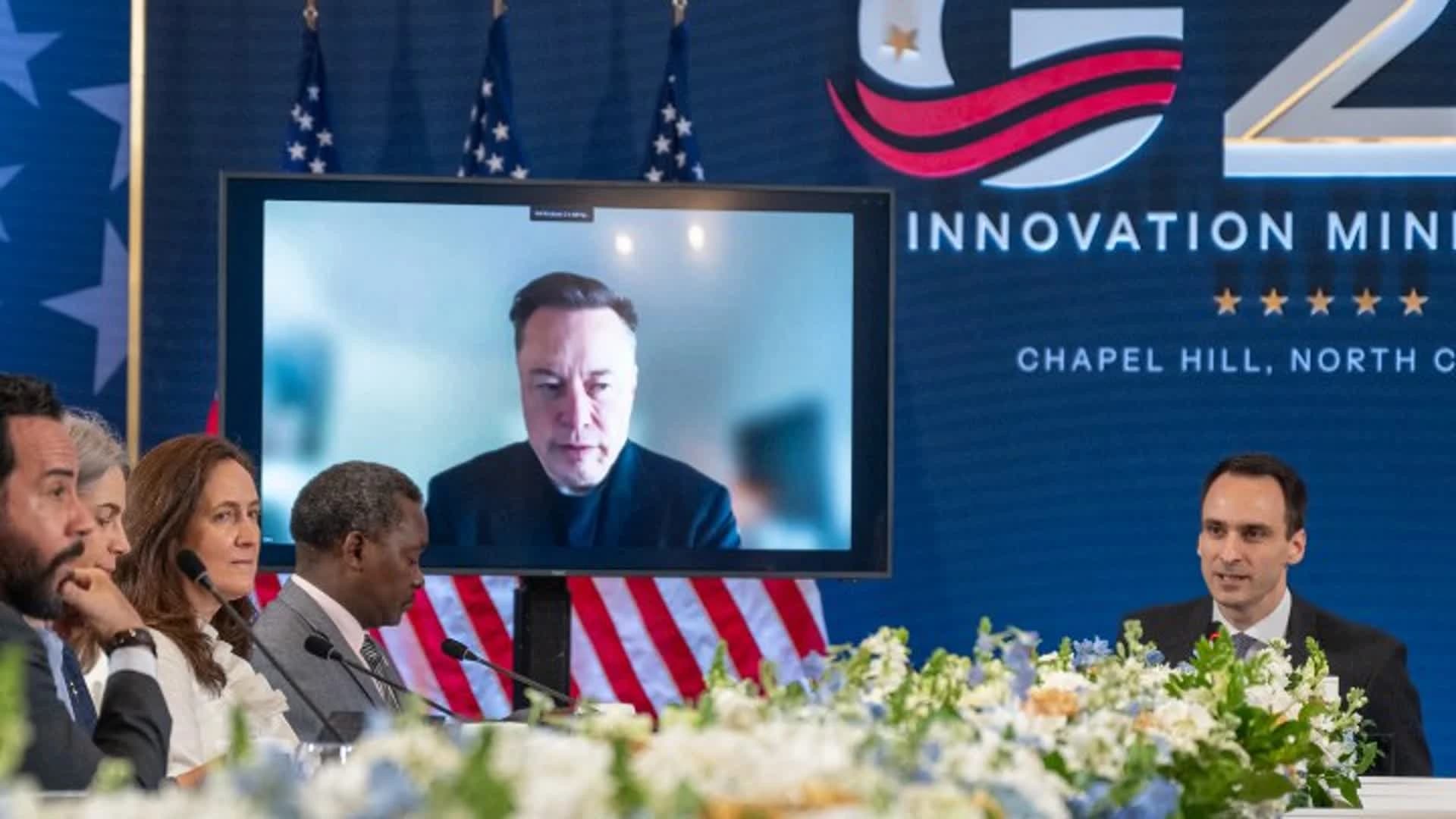
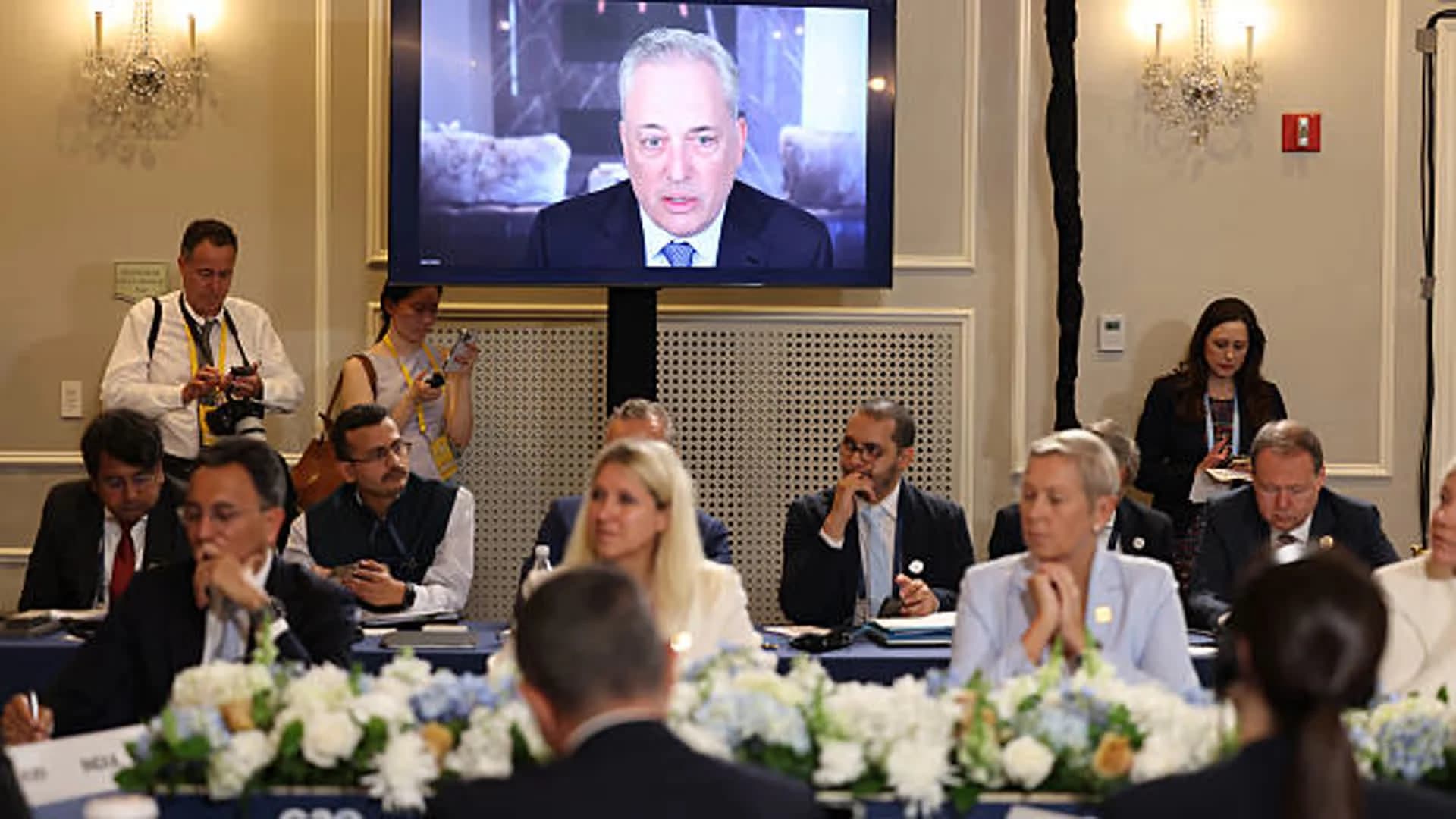
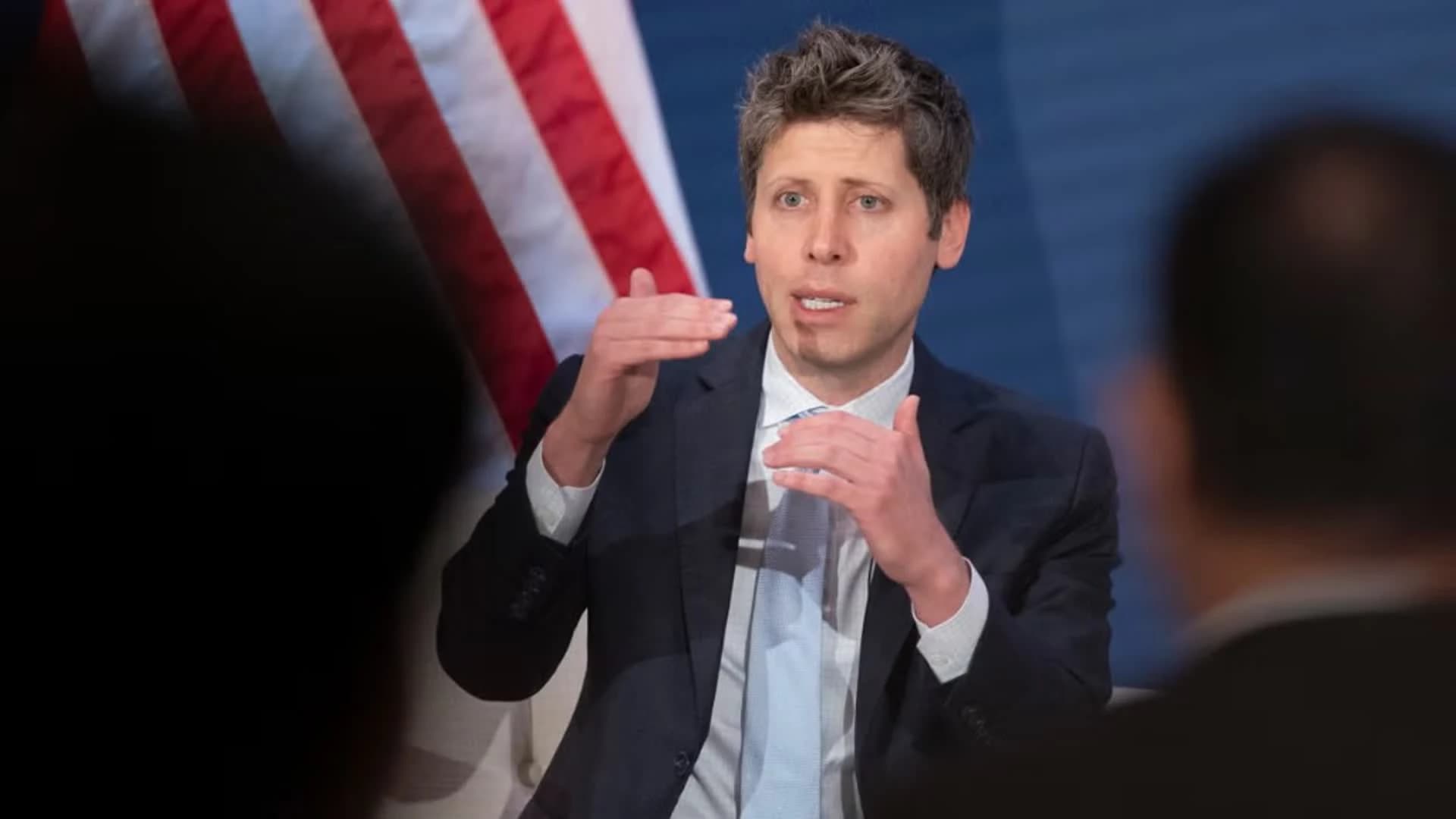
When Mark Zuckerberg joined the G20 Innovation Ministerial by video link on September 1, 2026, his remarks did not center on a specific Meta product. They centered on the individual gaining access to a system capable of understanding their goals, helping them create and taking on some of the work of bringing their ideas to life.
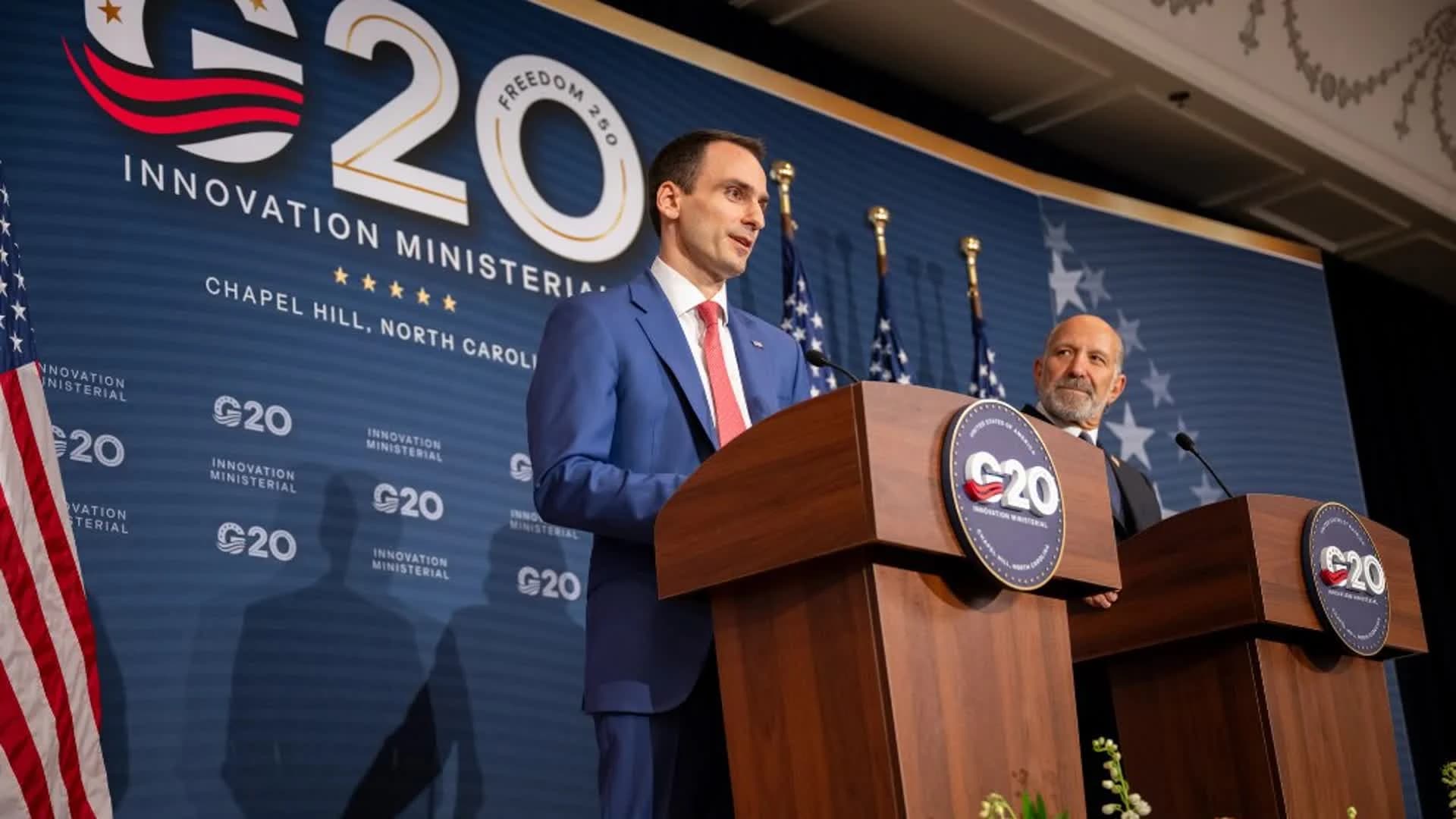
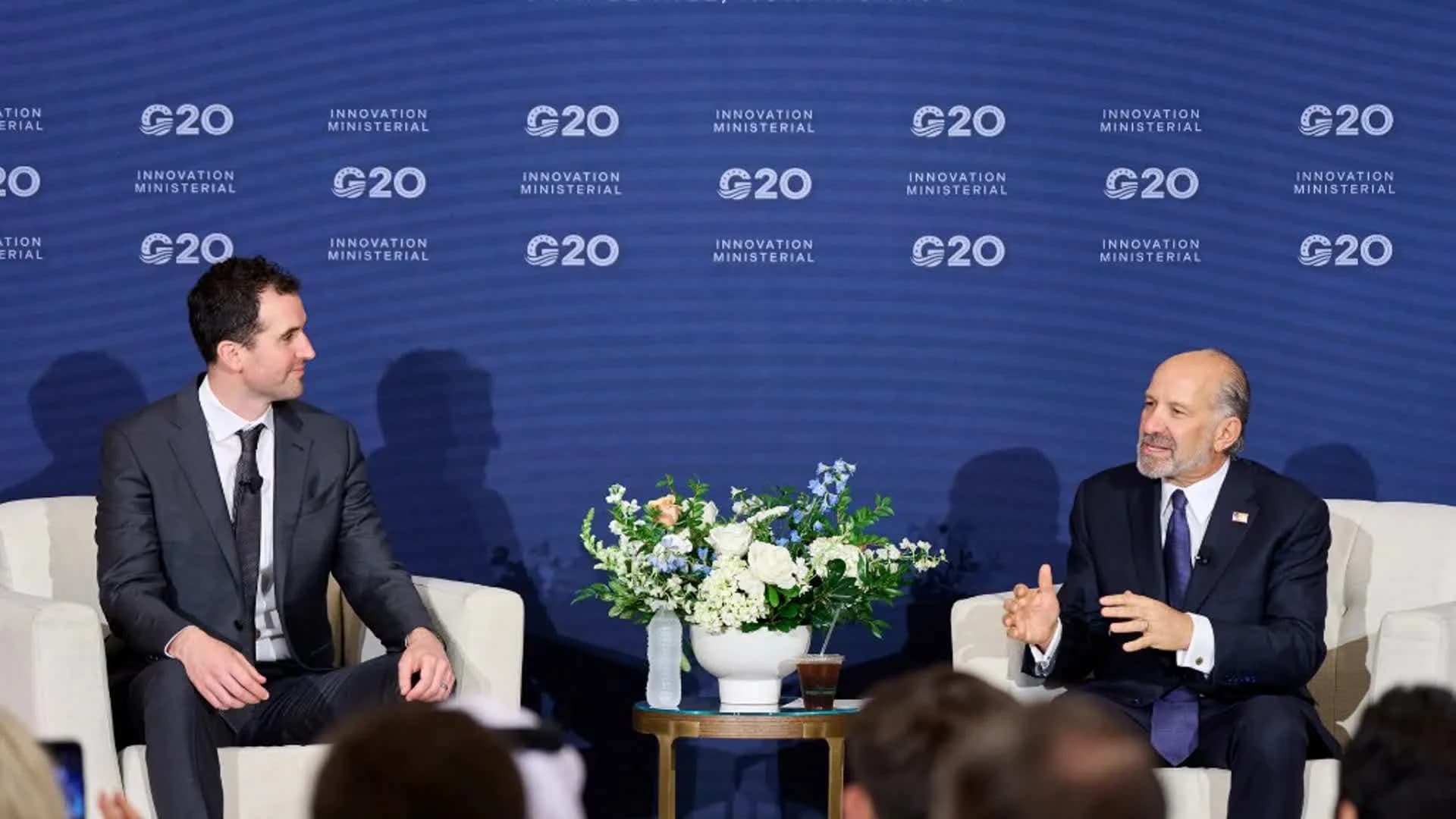
Zuckerberg took part in a conversation led by Michael Kratsios, director of the White House Office of Science and Technology Policy. The official White House announcement identifies him as Meta’s founder, chairman and CEO.
His message was organized around three connected ideas: the individual as a source of economic opportunity, the use of artificial intelligence for invention rather than automation alone, and the spread of technology as a form of checks and balances.
The personal AI agent as a constant partner
The clearest image in Zuckerberg’s remarks was that of the personal AI agent. Meta is working on systems it wants to make available to billions of people: systems that, in his words, understand users’ goals and work around the clock to support them.
“We’re working on agents at Meta that we want to put in the hands of billions of people,” Zuckerberg said, as quoted by The Daily Tar Heel.
This direction goes beyond the familiar chatbot model of answering a single question. The agent Zuckerberg described pursues a longer-term goal, carries out a sequence of tasks and supports the person throughout their work. The emphasis remains on the user’s goals: the system provides additional capacity, while the person sets the direction.
In this vision, access to AI is not reserved for large companies able to build their own models and infrastructure. It becomes a tool for individual professionals, entrepreneurs and creators.
A lower barrier to starting a business
Zuckerberg predicted that artificial intelligence would significantly reduce the cost of starting a company. According to his remarks, reported by WRAL, turning an idea into a working business will require less capital and probably fewer people in the future.
The reason is access to capabilities that until recently required an entire team. Programming, design, research, analysis, content creation and customer service can be supported by AI from the earliest stages of a project.
This primarily changes the entry point into entrepreneurship. A small team can build a prototype, test a market idea and reach its first customers before building a large organization. Businesses that depend on manufacturing, physical premises, logistics or licensing still need capital. For digital and knowledge-based companies, however, some of the initial organizational burden can be substantially reduced.
Zuckerberg’s argument is therefore about more than cheaper software. It is about wider access to capabilities that previously were available mainly through specialized teams and substantial initial funding.
The real test: does AI create something new?
One of the most substantial parts of his remarks was the distinction between automation and invention.
Zuckerberg said that if artificial intelligence is used mainly to automate work people already do, without helping create new products and opportunities, serious problems will follow. In his view, the more valuable direction is for AI to expand people’s ability to imagine and build things that were previously impossible.
Automation keeps the goal the same but achieves it with less time and labor. Invention produces a new product, service, scientific solution or business model. In practice, the two processes can happen together, but Zuckerberg placed clear emphasis on the second.
This is also the economic foundation of his vision. AI’s value is measured not only in cost savings, but also in the number of ideas that more people can turn into real products, companies and solutions.
Open models as a system of checks and balances
The third strand of his remarks concerned the distribution of access to technology. According to Reuters, Zuckerberg urged countries not to restrict open-weight models.
With these models, the core parameters can be downloaded and used outside the infrastructure of the company that created them. This allows developers, researchers and organizations to adapt the technology to their own tasks and build solutions on top of it.
Open weights are not necessarily the same as fully open source. The license, training data and parts of the development process may remain subject to separate conditions. The practical change is that access to the model itself no longer depends entirely on a single closed service.
The position is connected to Meta’s existing strategy, including making models in the Llama family available for download and further development. In its official explanation of its approach to open AI, the company links this approach to broader participation by startups, researchers, students and small organizations.
For Zuckerberg, spreading the technology also serves a wider purpose. When more people and organizations can use and develop AI, control over its applications does not remain concentrated in just a few companies.
Digital ambition has a physical foundation
Zuckerberg’s remarks did not remain solely in the world of software. He also drew attention to the people needed to build the infrastructure behind AI.
Zuckerberg said that enormous demand for data centers could create a need for hundreds of thousands, and potentially millions, of jobs in skilled technical trades. He noted that Meta was already struggling to find enough trained people for the data centers it wants to build, according to AFP via Tech Xplore.
His estimate refers specifically to infrastructure construction. Behind every AI model are data centers, electricity, cooling, network connectivity and maintenance. The expansion of computing capacity creates demand for physical infrastructure and for the people who can build and operate it.
This added an important material dimension to his vision. The more accessible and widely used AI systems become, the greater the need for the capacity, energy and skilled labor behind them.
From powerful technology to widely shared capability
Mark Zuckerberg’s position at the G20 Innovation Ministerial can be summed up in one word: distribution.
Distributing AI capabilities to individual users. Access for developers and small companies. A lower barrier to turning an idea into a business. Using technology to create, rather than simply to carry out familiar tasks. Building the physical infrastructure and human capacity that make all of this possible.
The most memorable image remained the personal AI agent in the hands of billions of people. Behind it lies a broader economic argument: the impact of artificial intelligence will depend not only on the power of models, but also on how many people can use them, what they can create with them and how well the necessary infrastructure can keep pace with demand.
Sources
- whitehouse.govThe White House: closing announcement on the G20 Innovation Ministerial (opens in a new tab)
- dailytarheel.comThe Daily Tar Heel: reporting from day one (opens in a new tab)
- wral.comWRAL: remarks on entrepreneurship and creating with AI (opens in a new tab)
- reuters.comReuters: the position on open-weight models (opens in a new tab)
- techxplore.comAFP via Tech Xplore: infrastructure and skilled workers (opens in a new tab)
- ai.meta.comMeta: official information on its approach to open AI (opens in a new tab)