By Neda Veleva · · 7 min read
Howard Lutnick at the G20 Innovation Ministerial: investment, infrastructure, and the rules for AI
The US Secretary of Commerce led the second day in Chapel Hill, focusing on the deployment of artificial intelligence across the economy, industrial capacity, intellectual property, and supply chains.
← Back to overview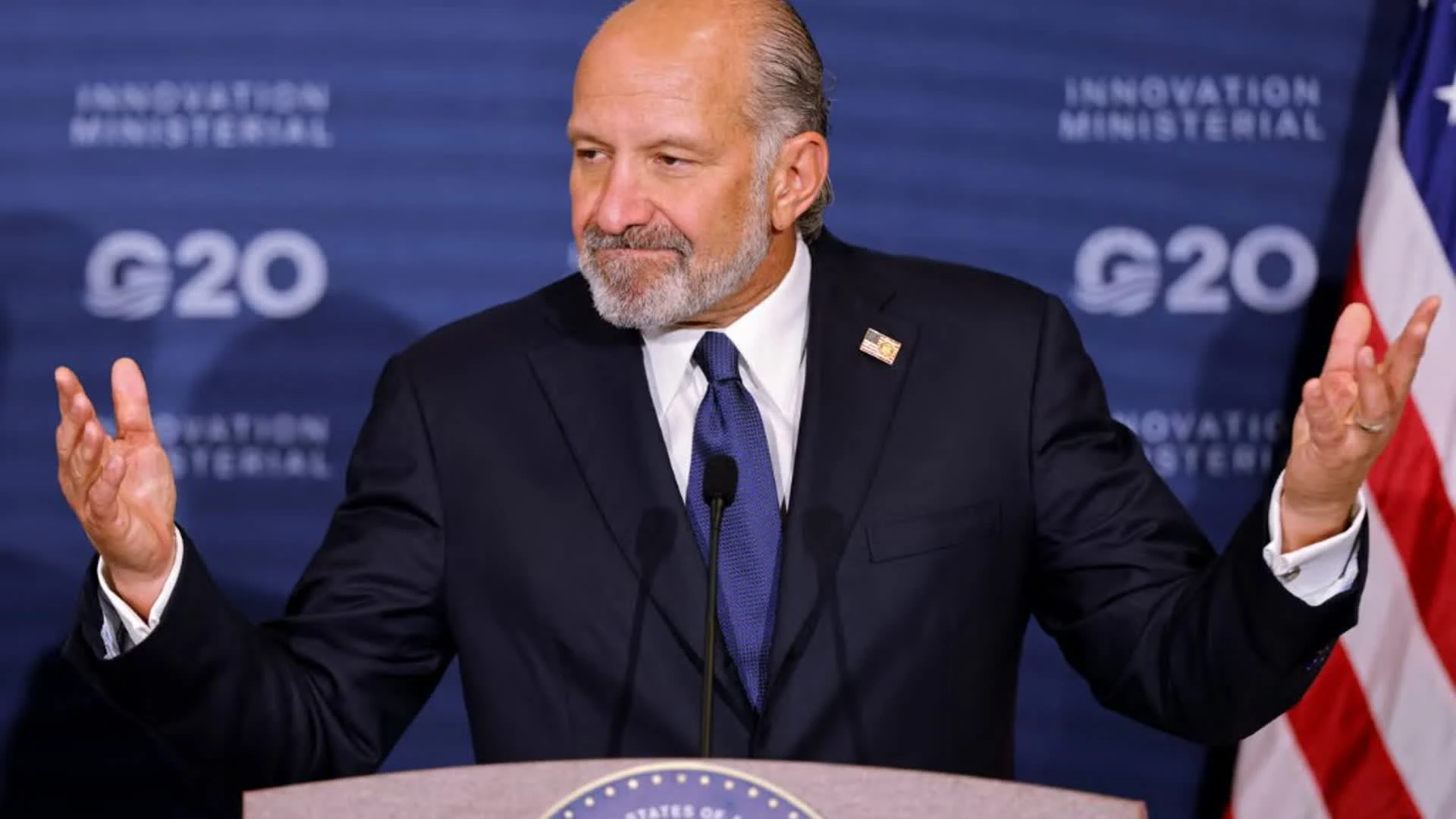
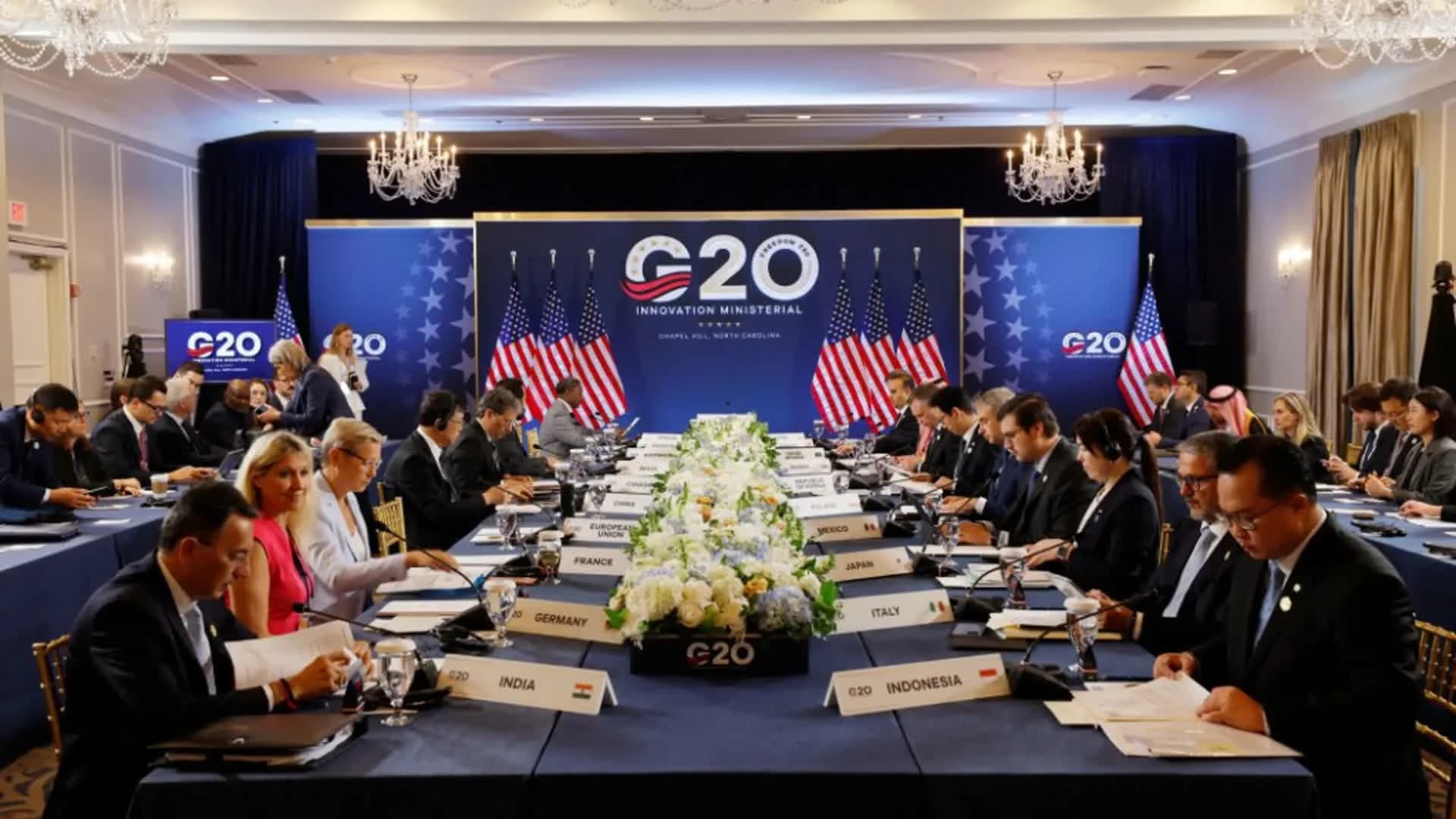
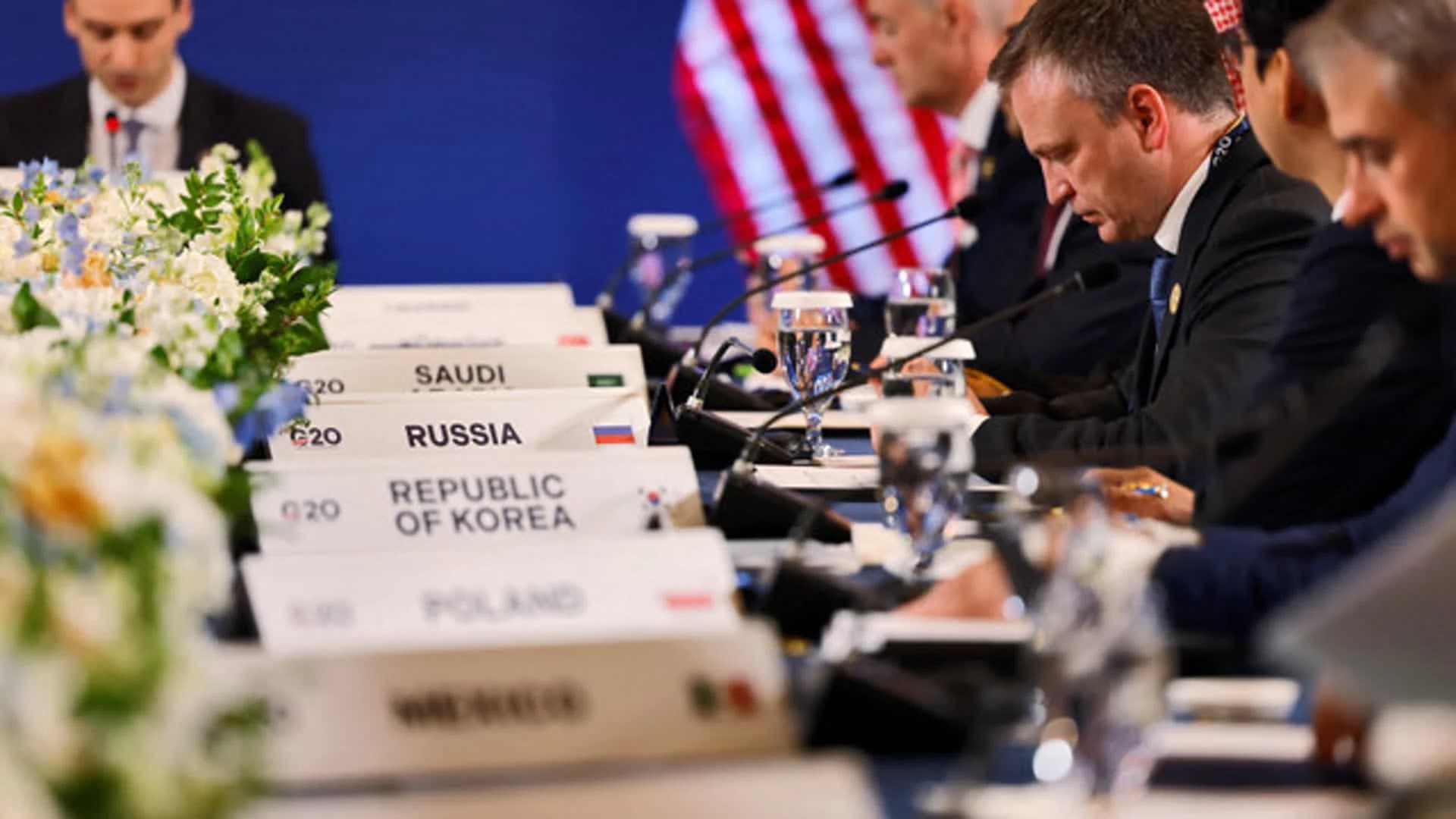
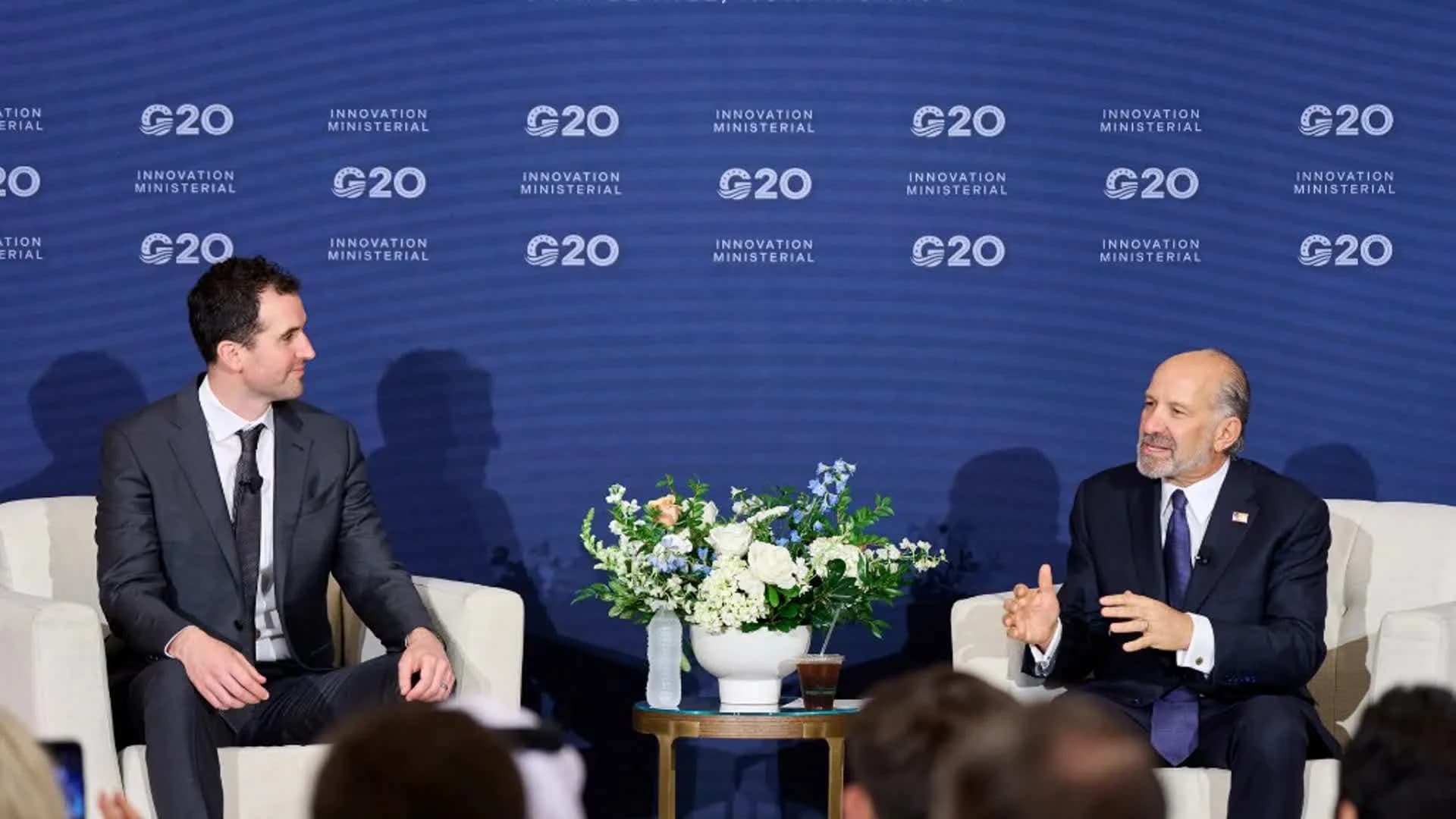
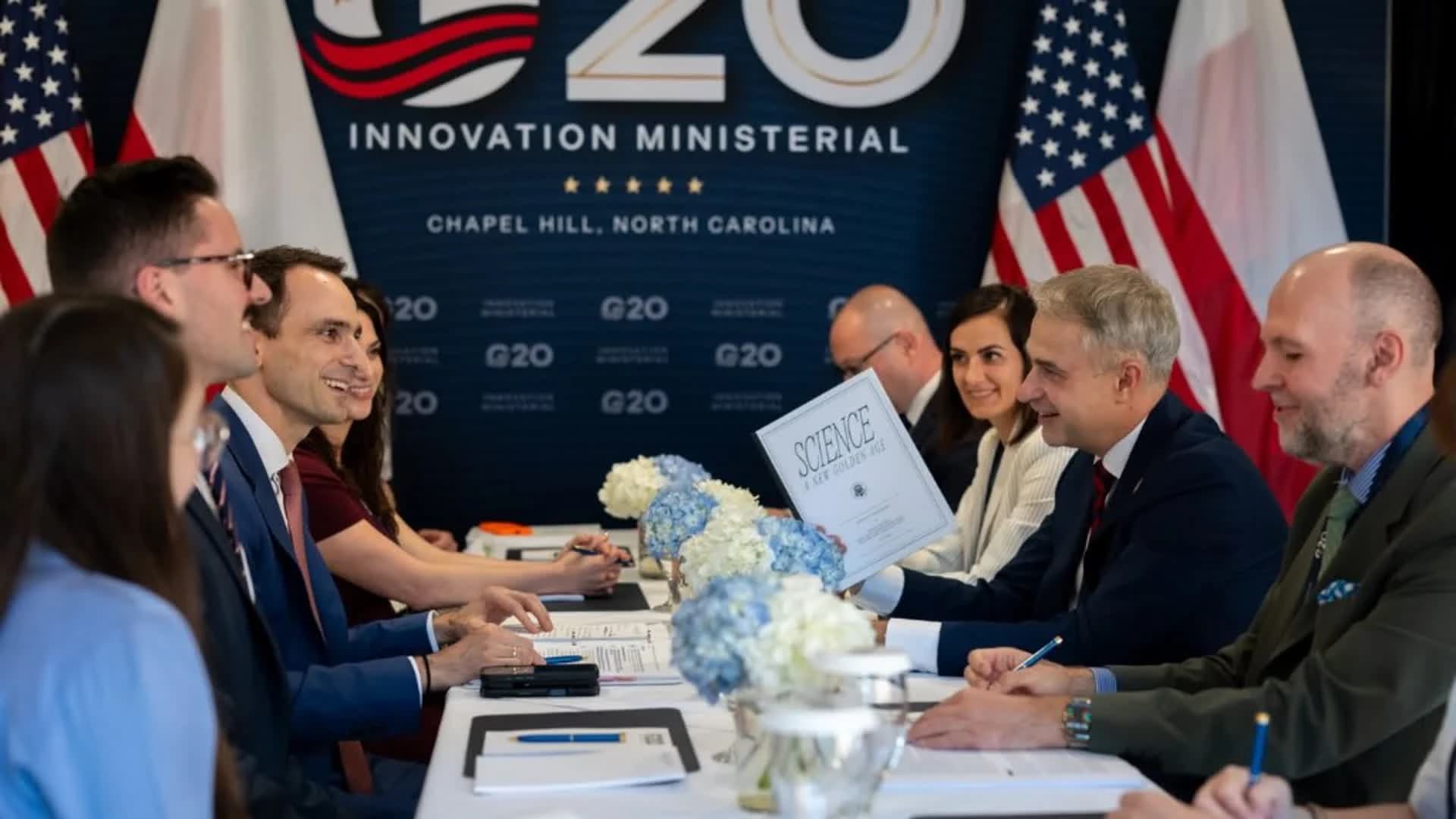
Howard Lutnick took part in the G20 Innovation Ministerial as a representative of the American administration, a principal host, and the moderator of some of the public conversations. The US Department of Commerce, which he leads, organized the ministerial jointly with the White House Office of Science and Technology Policy.
While Michael Kratsios opened the first day by presenting the Carolina Principles for Emerging Technologies, Lutnick led the public program on September 2, 2026. His focus was on the conditions needed to turn technological progress into tangible economic and industrial capacity.
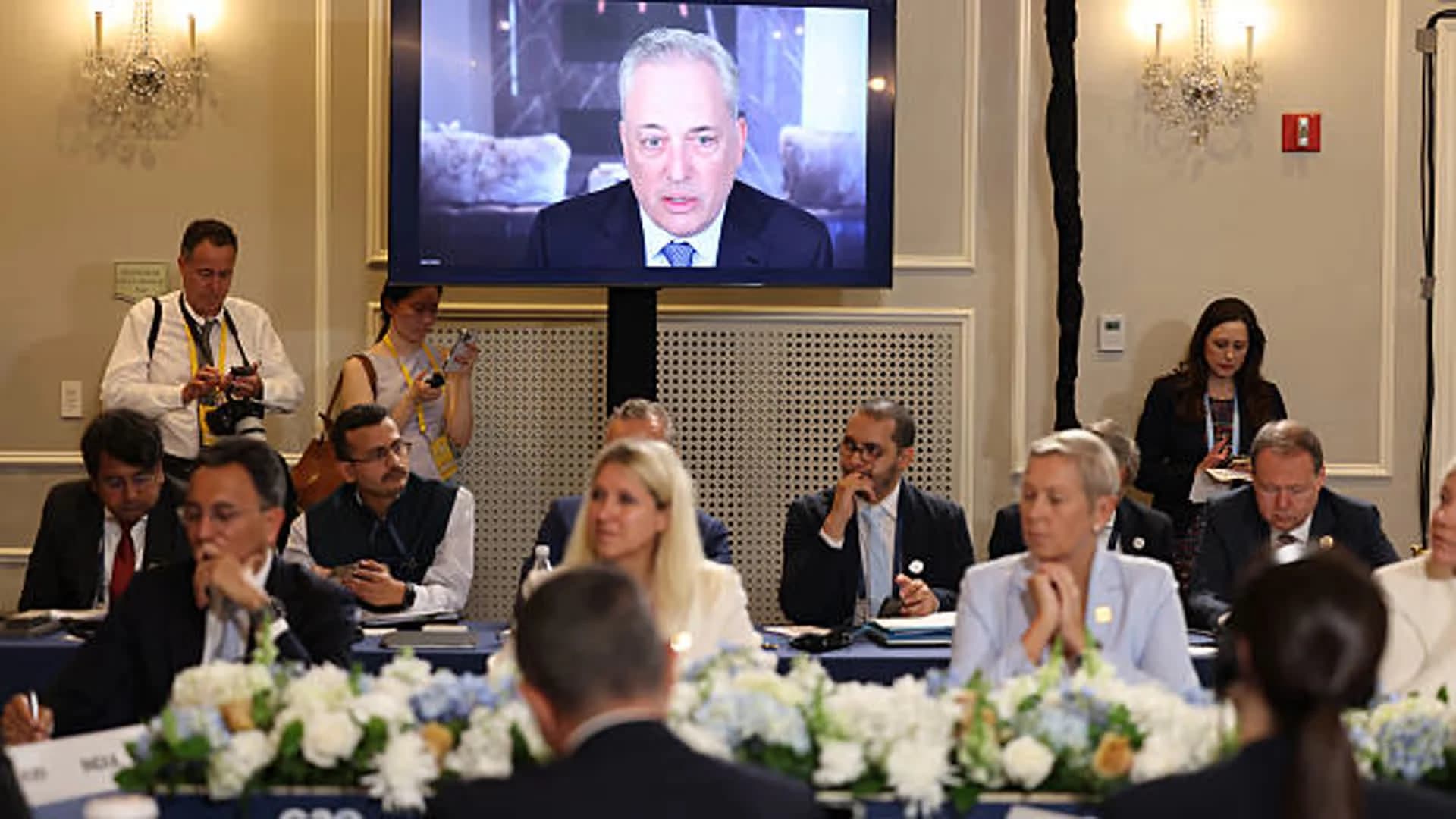
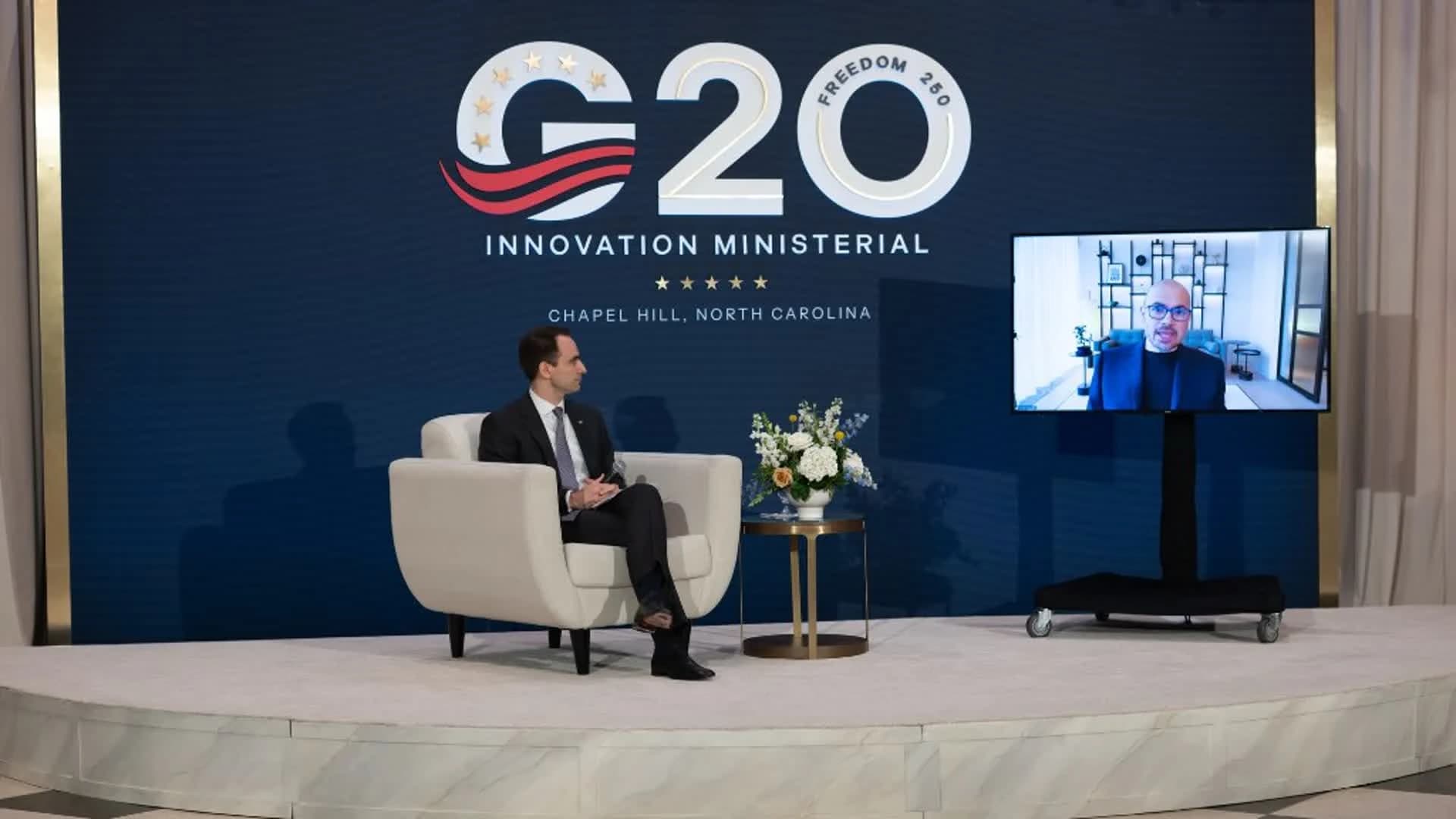
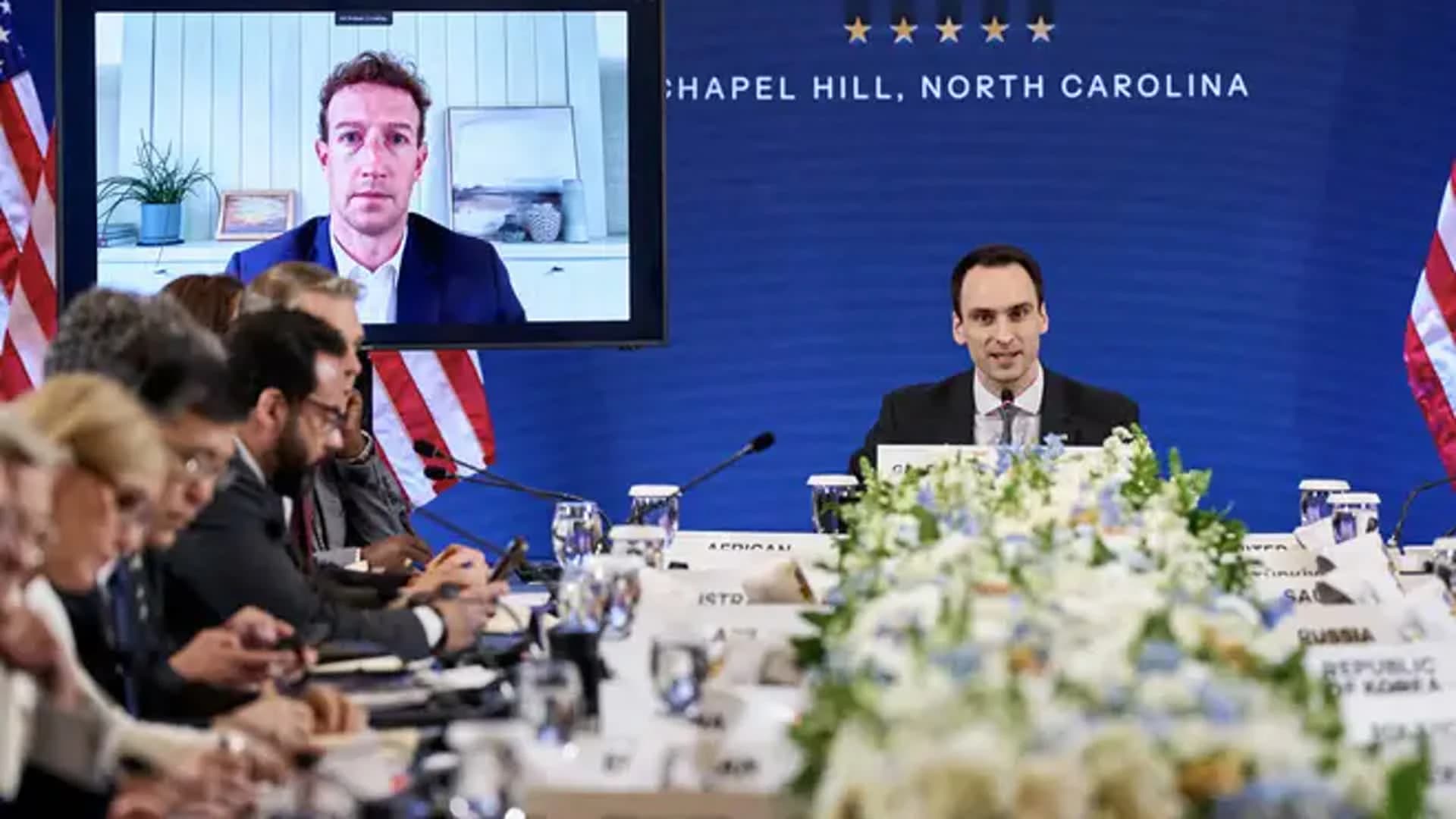
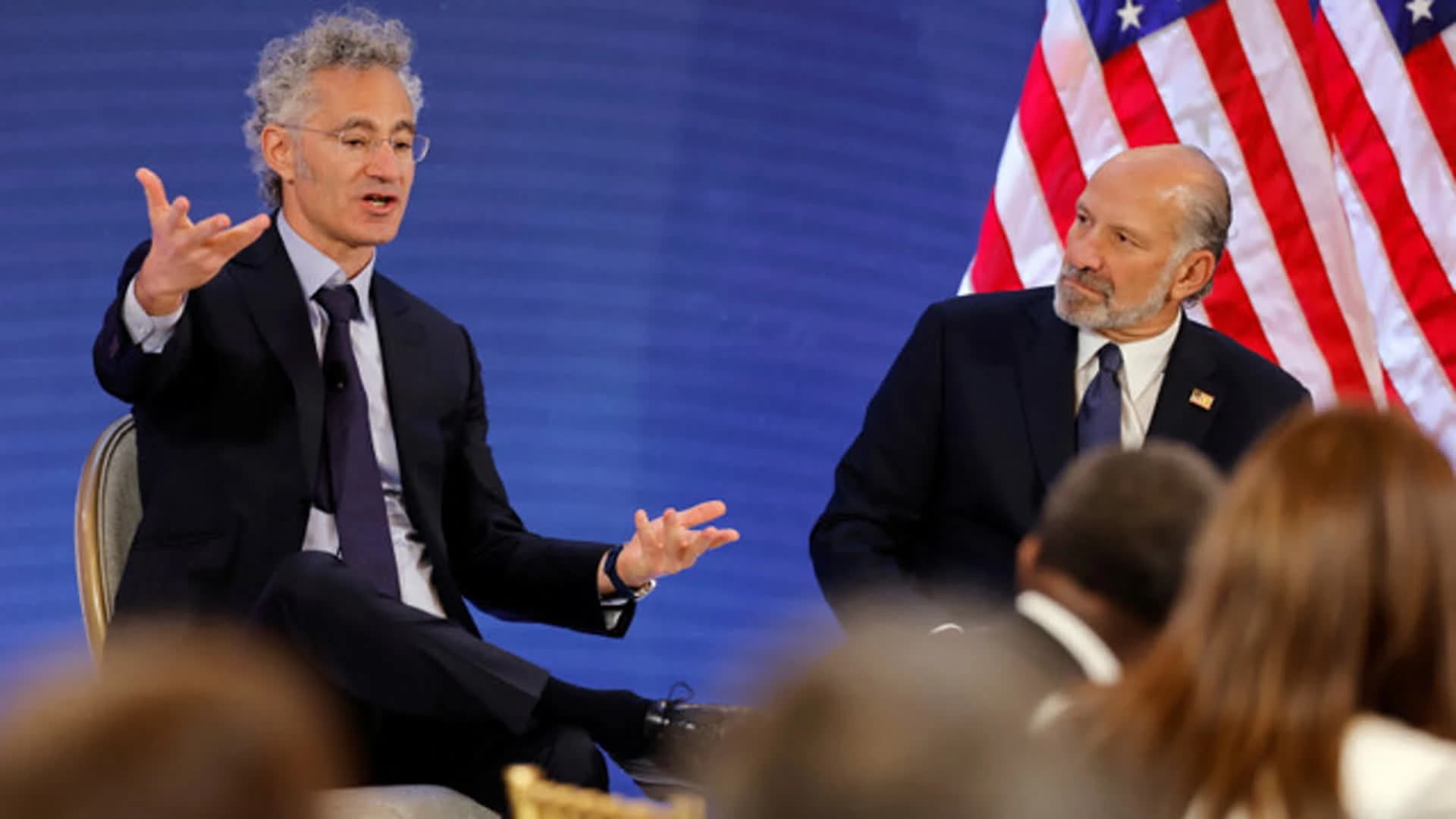
In his opening remarks on the second day, Lutnick emphasized investment, scientific discovery, and supply chain resilience. These themes also ran through his conversations with the leaders of NVIDIA, Anthropic, OpenAI, and Palantir. The Daily Tar Heel’s coverage of the second day
Artificial intelligence as industrial infrastructure
In the program led by Lutnick, artificial intelligence was considered not only as a software technology but also as a system dependent on electricity, chips, data centers, capital, and skilled people.
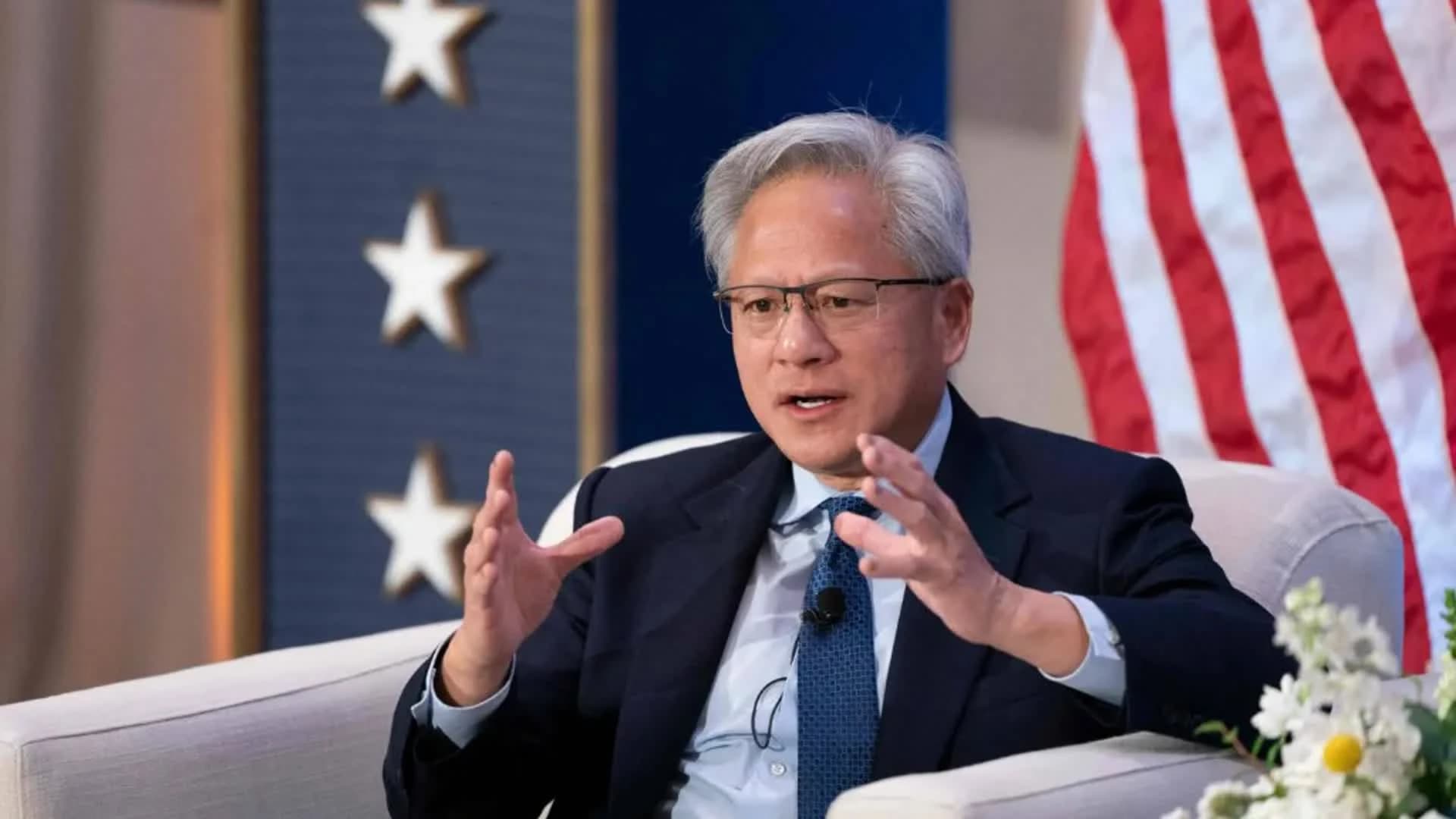
Jensen Huang, founder and CEO of NVIDIA, described AI infrastructure as a system of five layers: energy, chips, data centers, AI models, and applications. In his view, each country must decide in which of these areas it wants to develop its own capabilities and how it will encourage the deployment of artificial intelligence across its economy.
Tom Brown, co-founder of Anthropic, discussed two parallel changes. The first is the construction of substantial physical infrastructure. The second is the expansion of available capacity for intellectual work through increasingly capable AI systems.
These conversations connected the development of artificial intelligence with issues directly within the remit of the US Department of Commerce: investment, manufacturing, infrastructure, and international supply chains.
Deploying AI across different economies
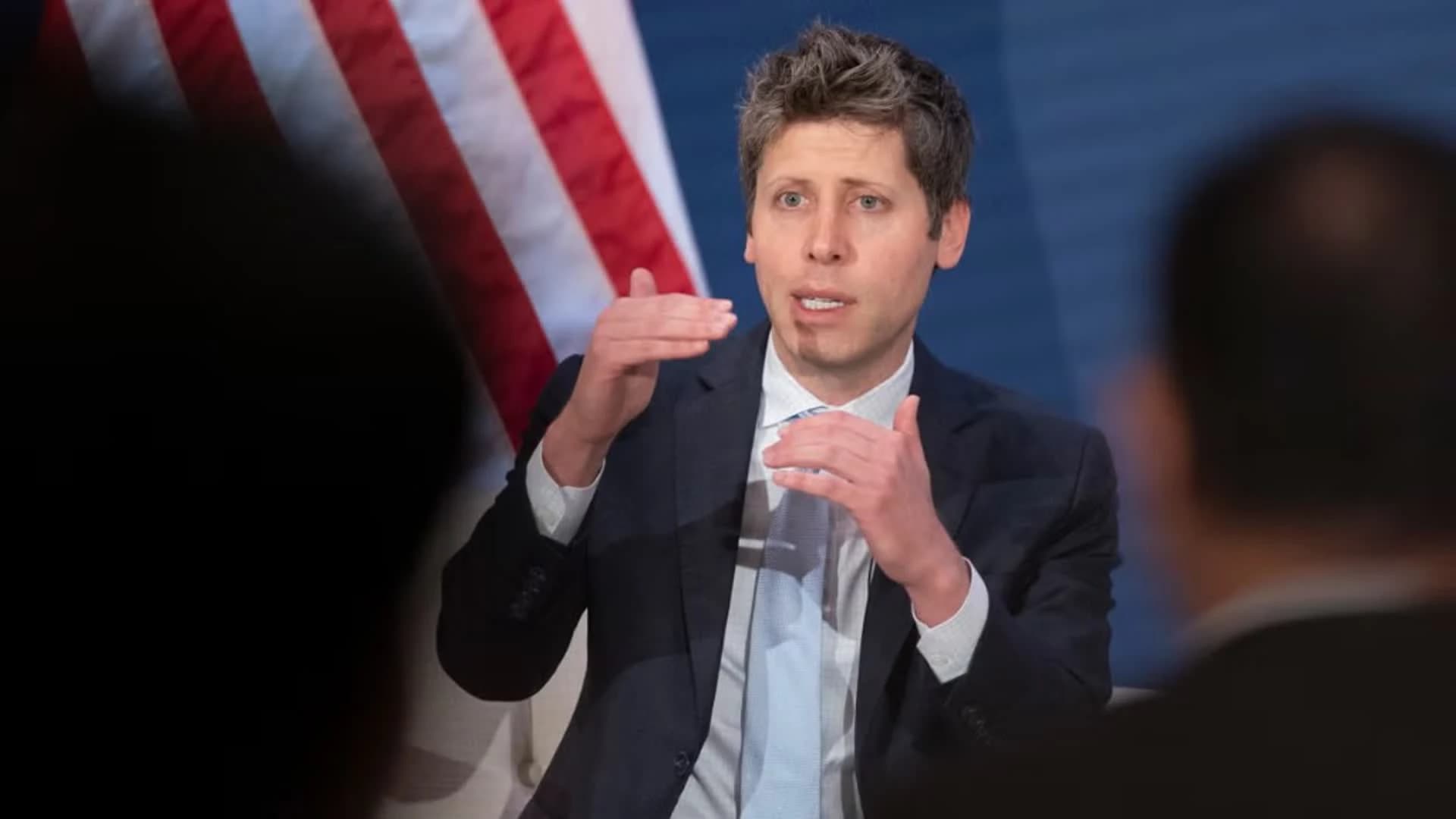
Sam Altman, CEO of OpenAI, compared the future spread of artificial intelligence to electrification. He presented AI as a technology that could gradually become widely accessible and embedded in a large share of products and services.
Alex Karp, co-founder and CEO of Palantir, emphasized national differences in deployment. In his view, the successful use of artificial intelligence depends on each country’s political, institutional, and cultural environment.
The four conversations led by Lutnick examined the same technological shift from different perspectives. Huang discussed the infrastructure layers, Brown the physical and intellectual capacity, Altman the widespread diffusion of the technology, and Karp the national conditions needed for its application.
Intellectual property and training AI models
One of Lutnick’s most specific positions at the G20 Innovation Ministerial concerned the use of copyrighted works in training AI models.
Lutnick called on the participating countries to develop frameworks that allow companies to use protected content to train models under certain conditions, while also protecting the work of authors and inventors.
He linked this position to the principle of fair use in American law. Fair use permits certain uses of copyrighted works without prior permission, depending on the purpose, nature, and extent of the use.
In Lutnick’s view, future rules should protect the people who create works and inventions without obstructing the development of the next generation of technologies. In his public remarks, he described the balance he sought but did not present a specific international model for licensing, compensation, or defining the limits of permissible use. Reuters on Lutnick’s position on protected content
The issue was included in the G20 Innovation Ministerial Statement as one of six distinct pillars, under the heading “policies on intellectual property and artificial intelligence.”
Data centers and local infrastructure
Electricity and data centers featured repeatedly in the discussions at the G20 Innovation Ministerial. The issue also had a local dimension, as Orange County introduced a one-year moratorium on large data centers in 2026.
Lutnick was asked about the decision at the closing press conference. He defended the view that communities which create the conditions for such investment can attract new infrastructure and economic activity. Lutnick pointed out that other states and local communities in the United States were willing to host such projects.
His position placed data centers within the broader discussion of investment and competitiveness. Developing AI infrastructure requires more than technology and capital: it also requires access to land, electricity, permits, and local support.
The agreement reached
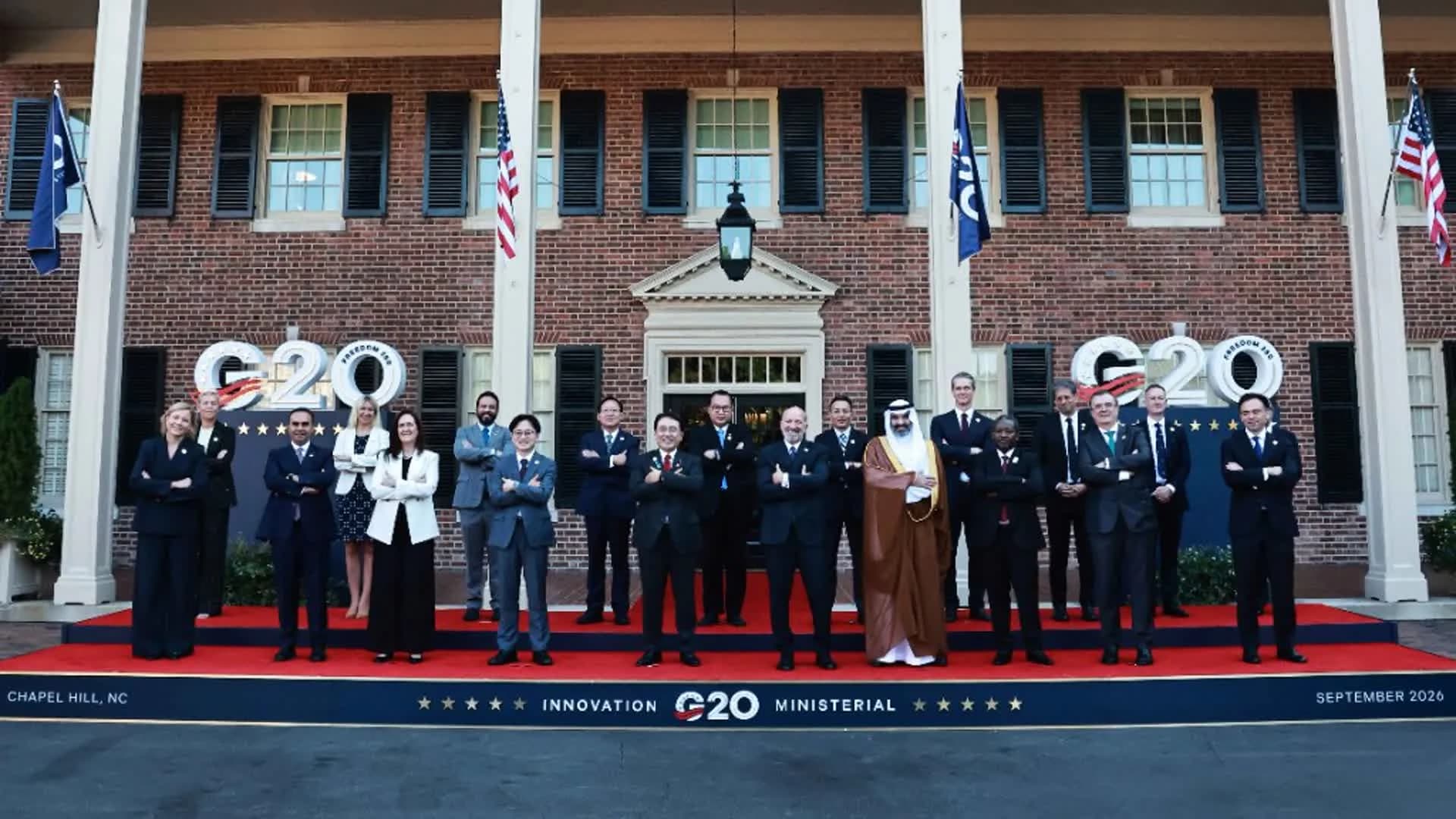
Howard Lutnick and Michael Kratsios led the closing press conference after the ministers reached agreement.
The G20 Innovation Ministerial Statement covered six pillars:
- policies that encourage innovation;
- technologies for opportunity and prosperity;
- developing a skilled technical workforce;
- policies on intellectual property and artificial intelligence;
- standards for artificial intelligence and the use of AI in developing standards;
- industrial innovation and investment in supply chains.
The ministers also reached agreement on the Carolina Principles for Emerging Technologies. Other announced outcomes included the G20 AI Prosperity Objectives and the AI Prosperity Compact, concerning the development of technical skills and partnerships with the private sector.
In his official comments after the G20 Innovation Ministerial, Lutnick linked the joint statement to creating a more predictable environment for entrepreneurs, supporting domestic manufacturing, and developing intellectual property frameworks that encourage and protect innovation. The official closing announcement
The economics of technological change
Howard Lutnick’s participation in the G20 Innovation Ministerial connected the development of artificial intelligence with the economic conditions for its deployment.
Investment, electricity, data centers, manufacturing, supply chains, and intellectual property were presented as interconnected aspects of technological development. The conversations with Huang, Brown, Altman, and Karp offered different perspectives on this process, while the joint ministerial statement incorporated the main themes into the agreed package of priorities.
Lutnick’s role at the G20 Innovation Ministerial thus encompassed both conversations with the companies developing and deploying AI systems and the policy work on the conditions under which these technologies will reach industry and the market.
Sources
- whitehouse.govThe White House: G20 Innovation Ministerial Concludes with Consensus Statement (opens in a new tab)
- commerce.govU.S. Department of Commerce: G20 Innovation Ministerial (opens in a new tab)
- trade.govInternational Trade Administration: Press Registration for the G20 Innovation Ministerial (opens in a new tab)
- reuters.comReuters: U.S. urges G20 countries to allow AI training on creators’ work (opens in a new tab)
- dailytarheel.comThe Daily Tar Heel: Day two of G20 Innovation Ministerial (opens in a new tab)
- gov.ukG20 Innovation Ministerial Statement, 2 September 2026 (opens in a new tab)