By Neda Veleva · · 5 min read
Michael Crow at the G20 Innovation Ministerial: universities must develop people who know how to learn
The president of Arizona State University presented a model of education in which artificial intelligence expands opportunities for learning, while preparation for a single profession gives way to the capacity for continuous adaptation.
← Back to overview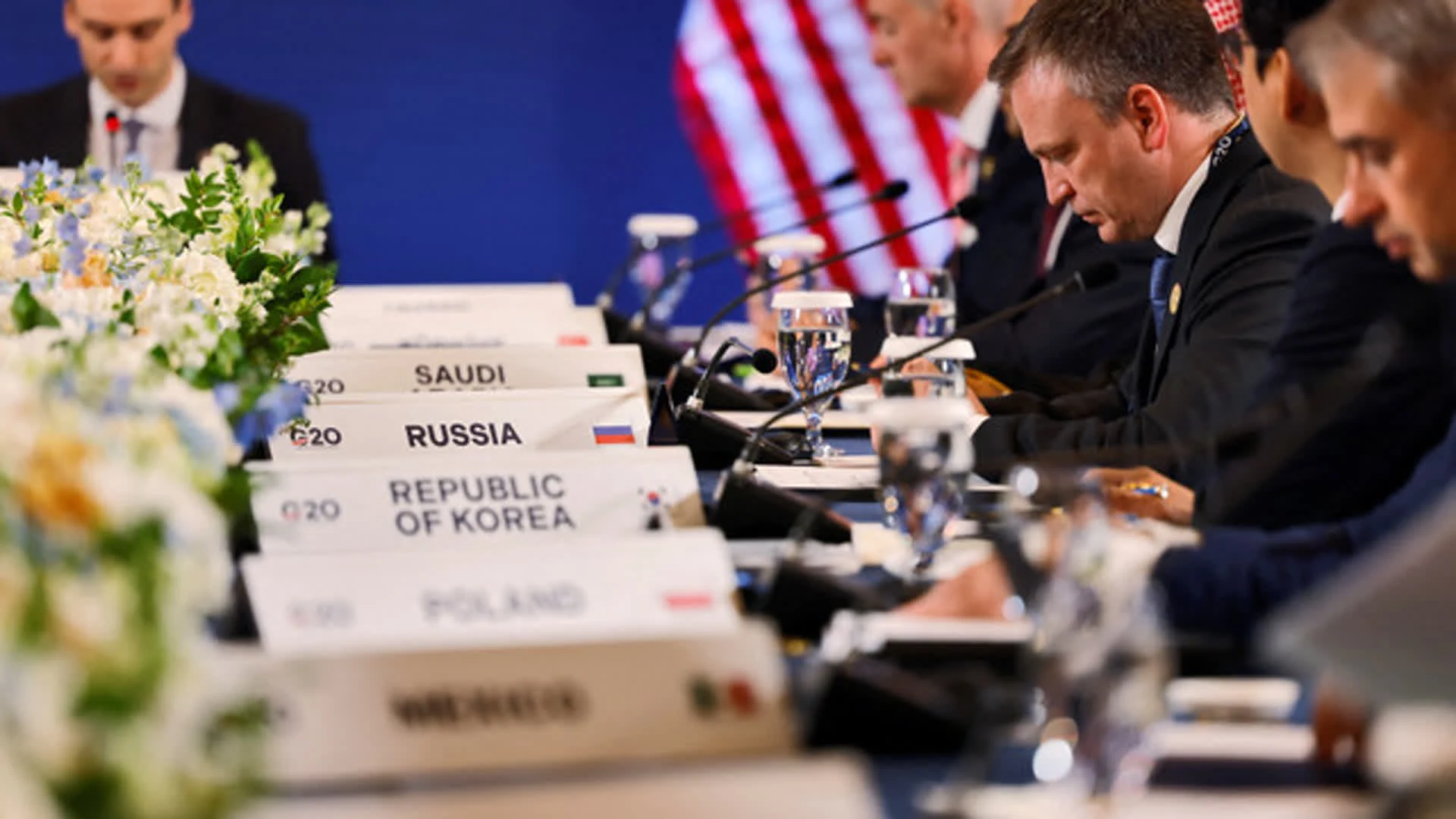
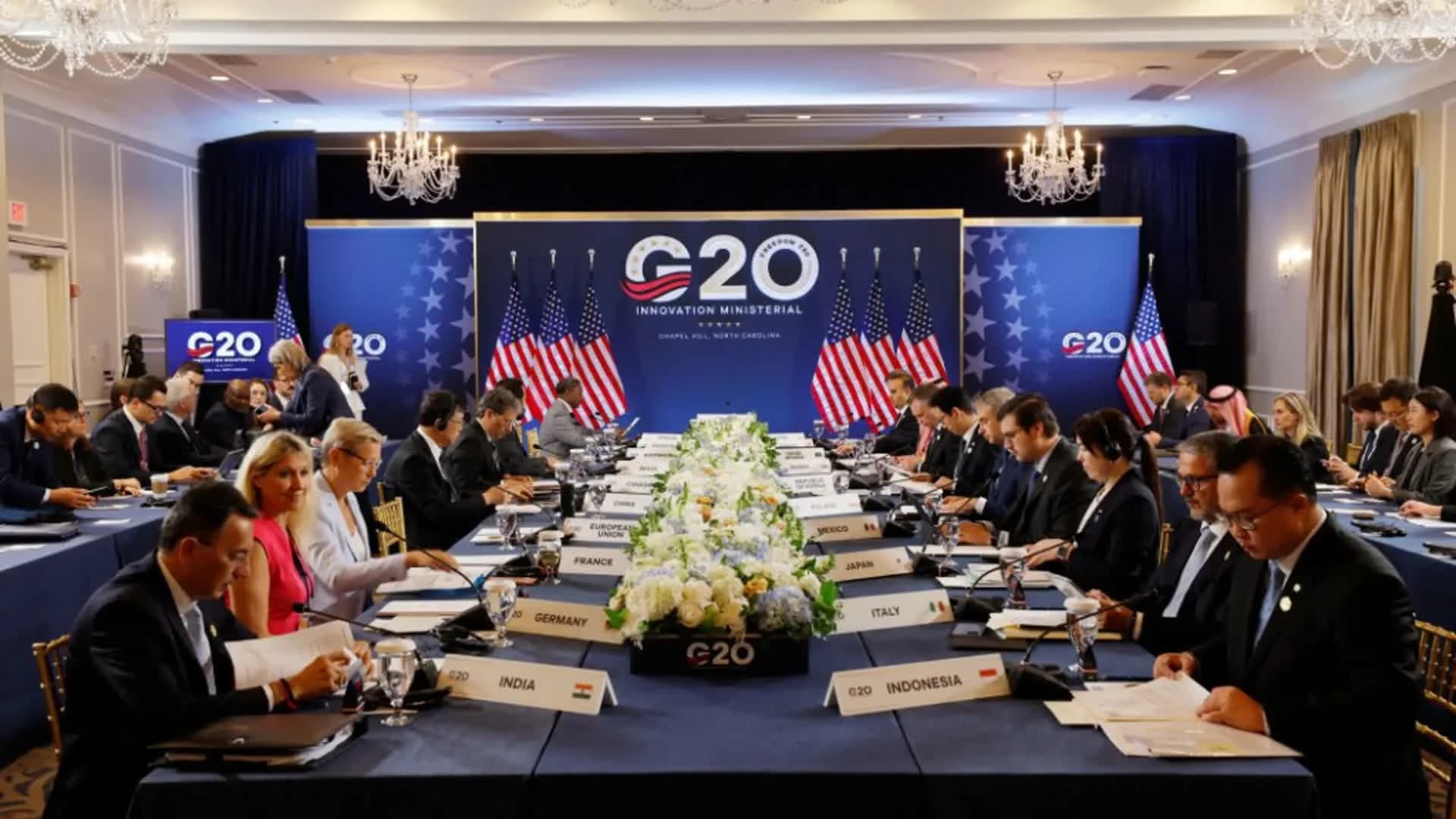
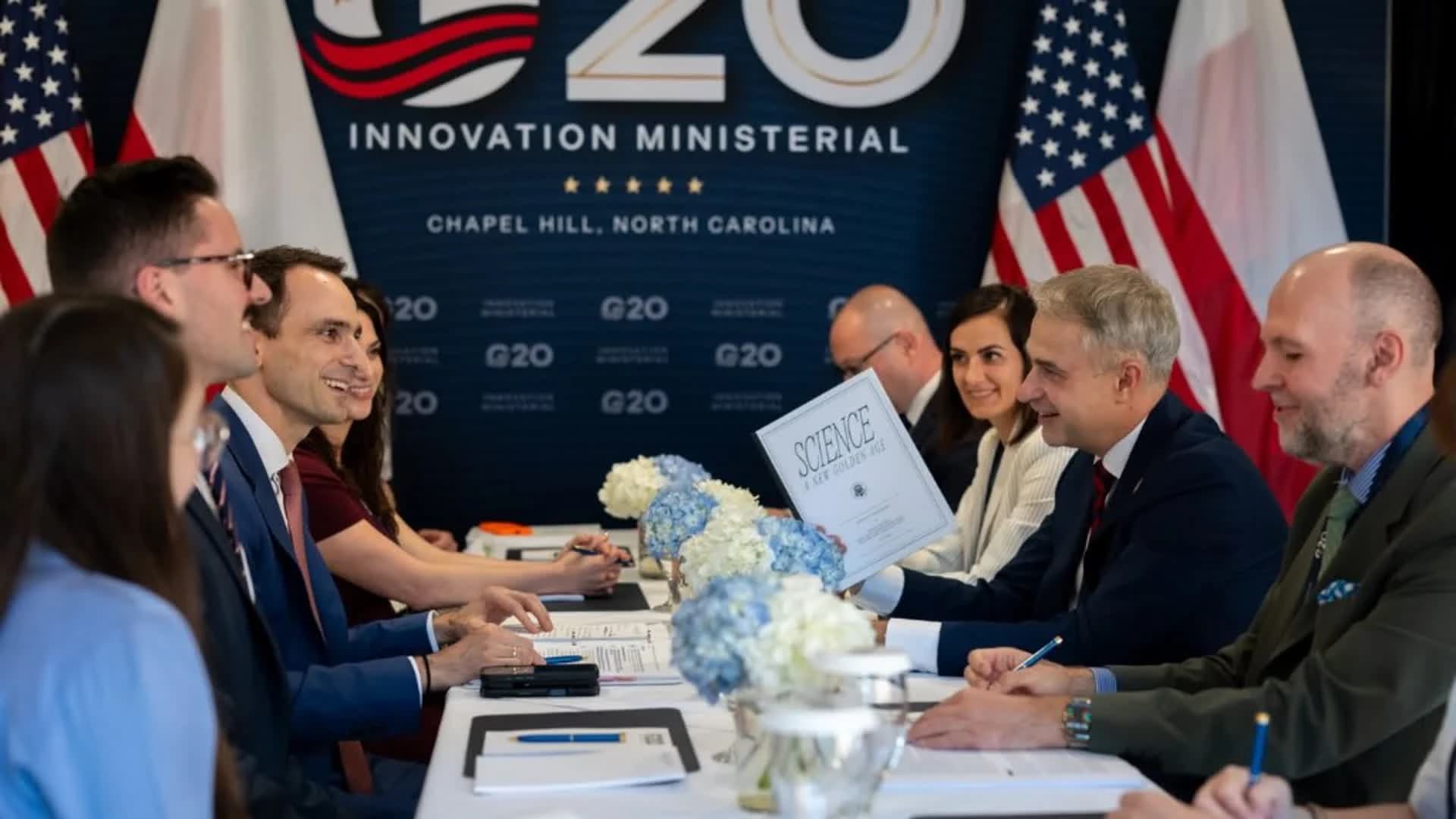
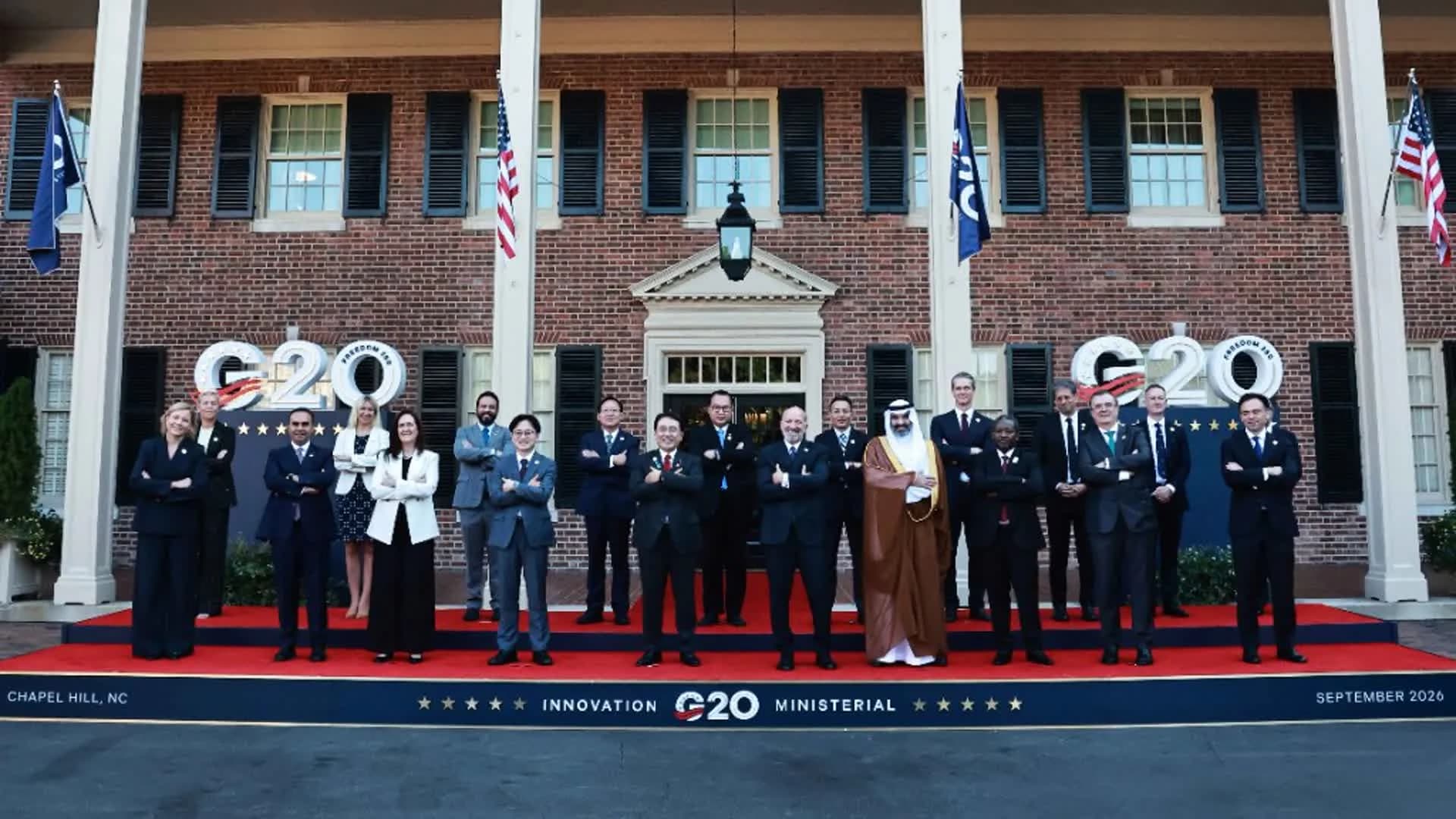
While much of the discussion in Chapel Hill focused on AI models, energy, infrastructure and regulation, Michael Crow raised the question on which the practical value of all these technologies depends: how to prepare people for an economy in which knowledge and professional requirements are constantly changing.
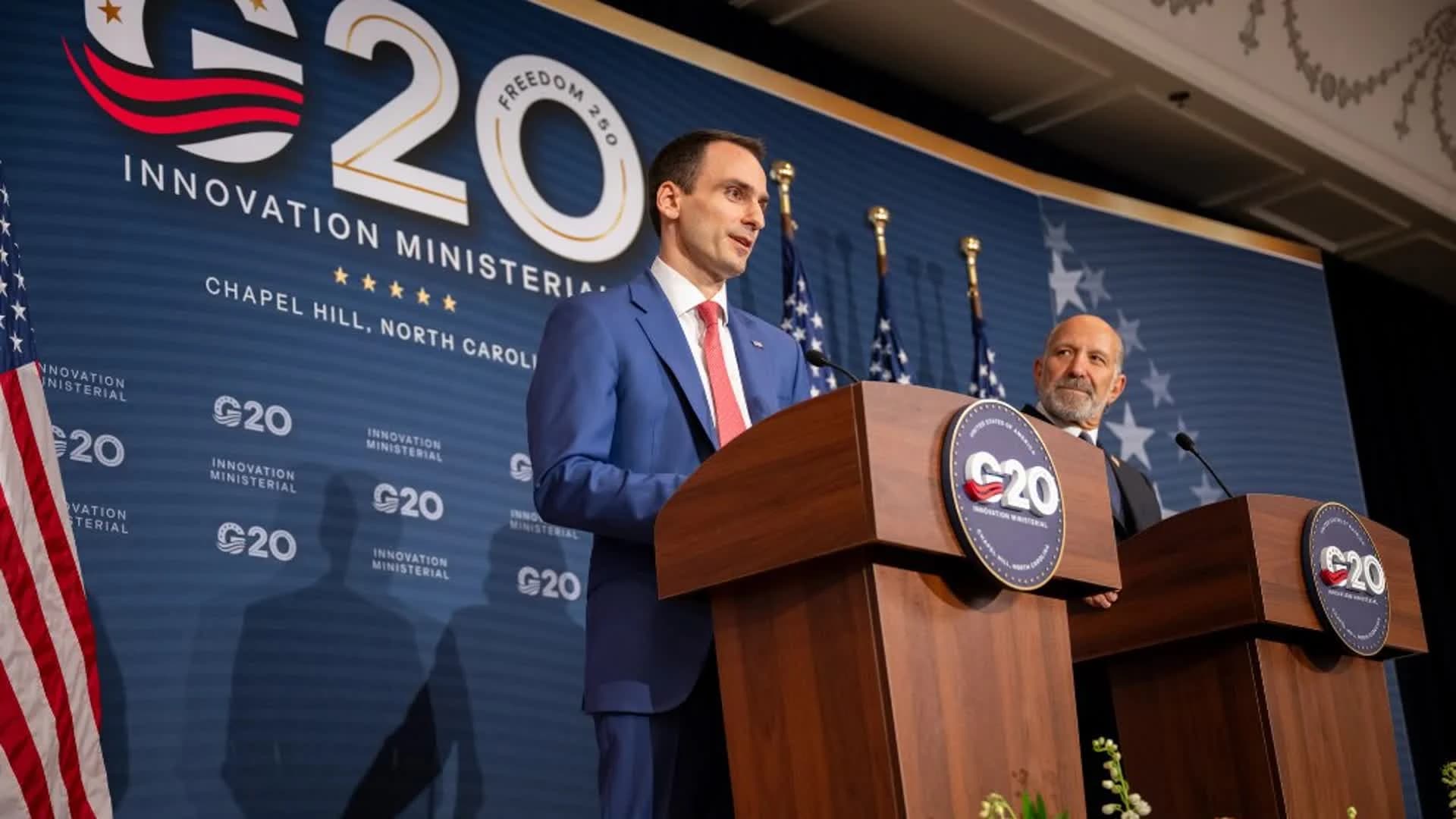
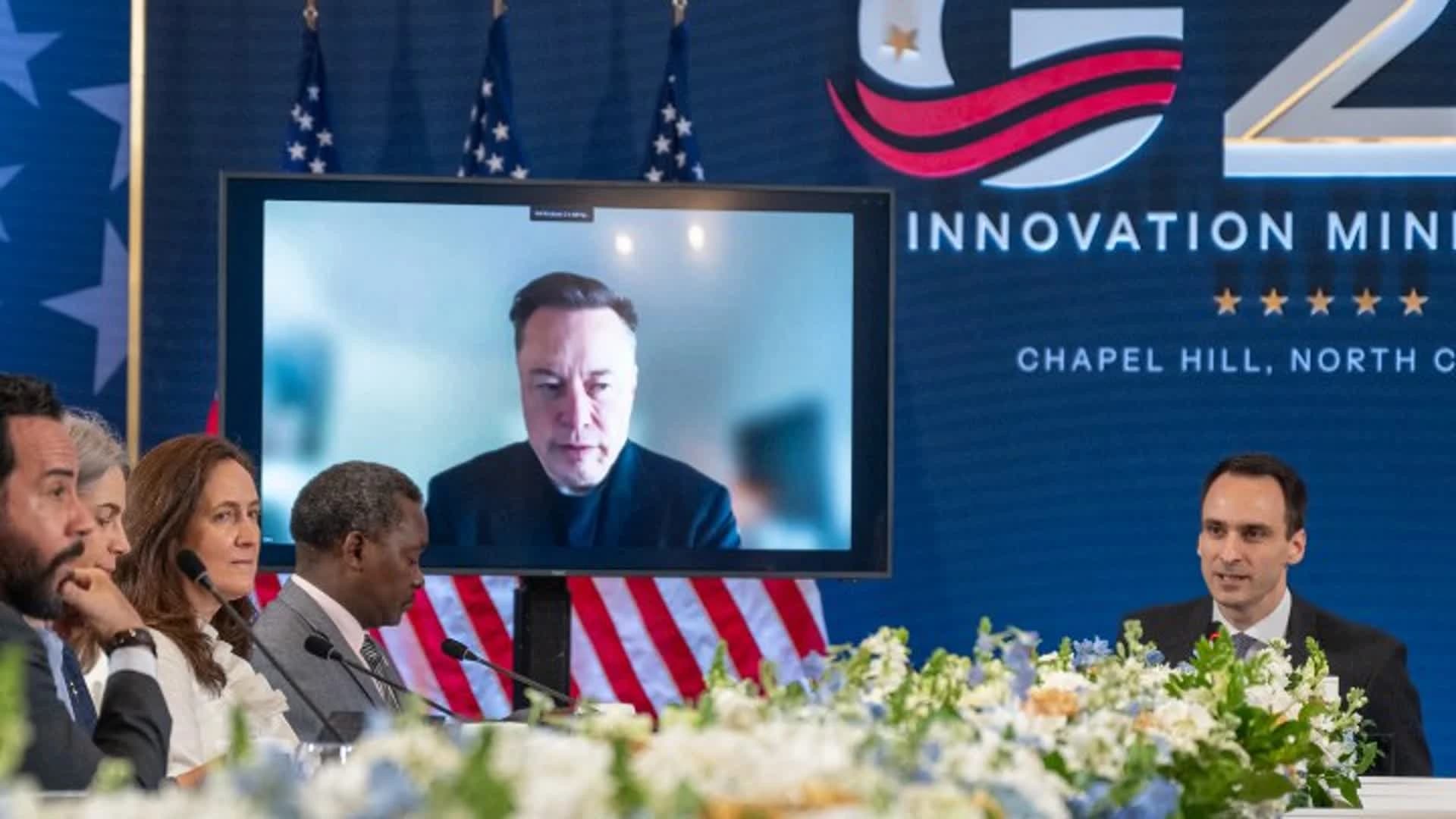
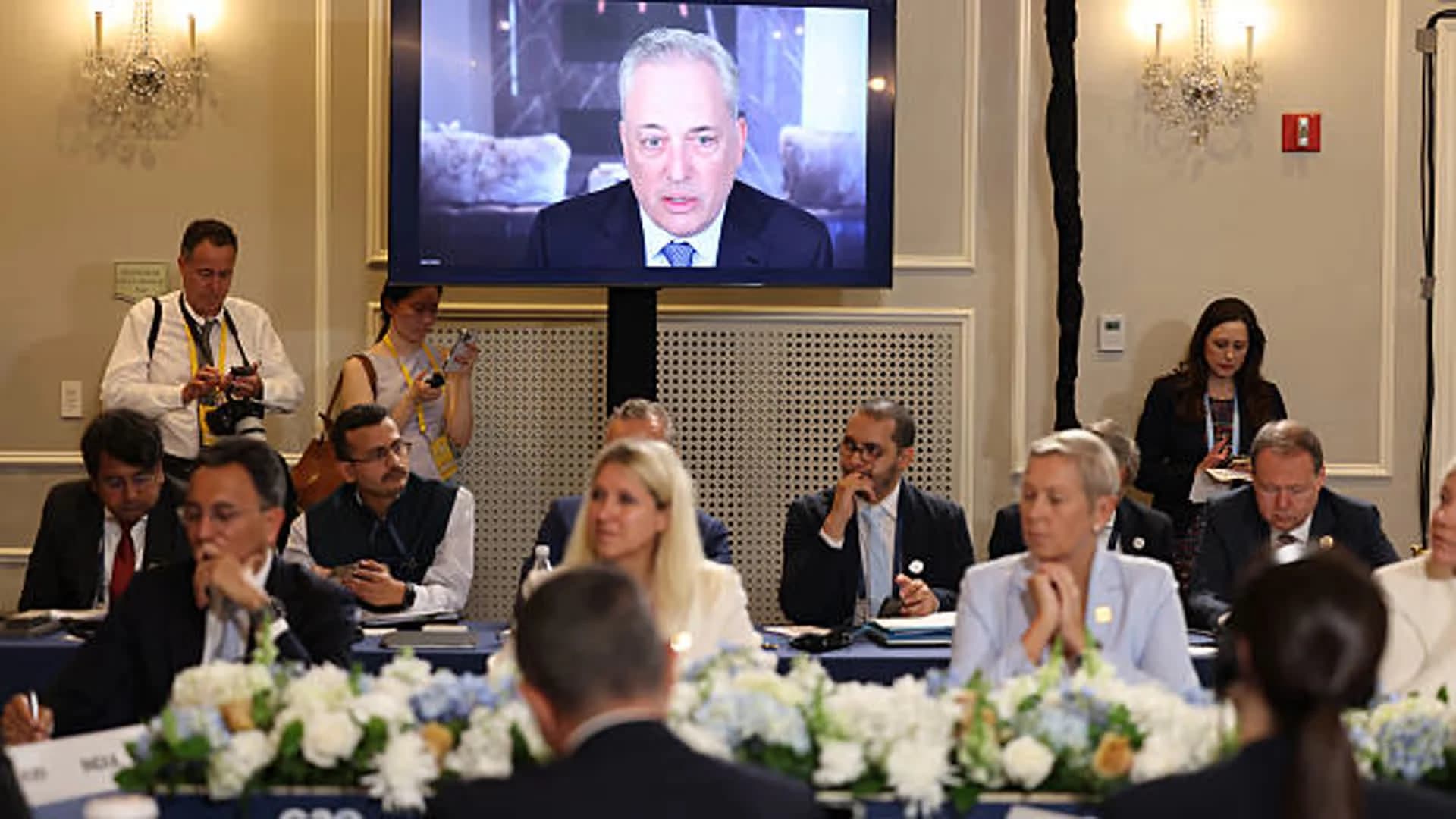
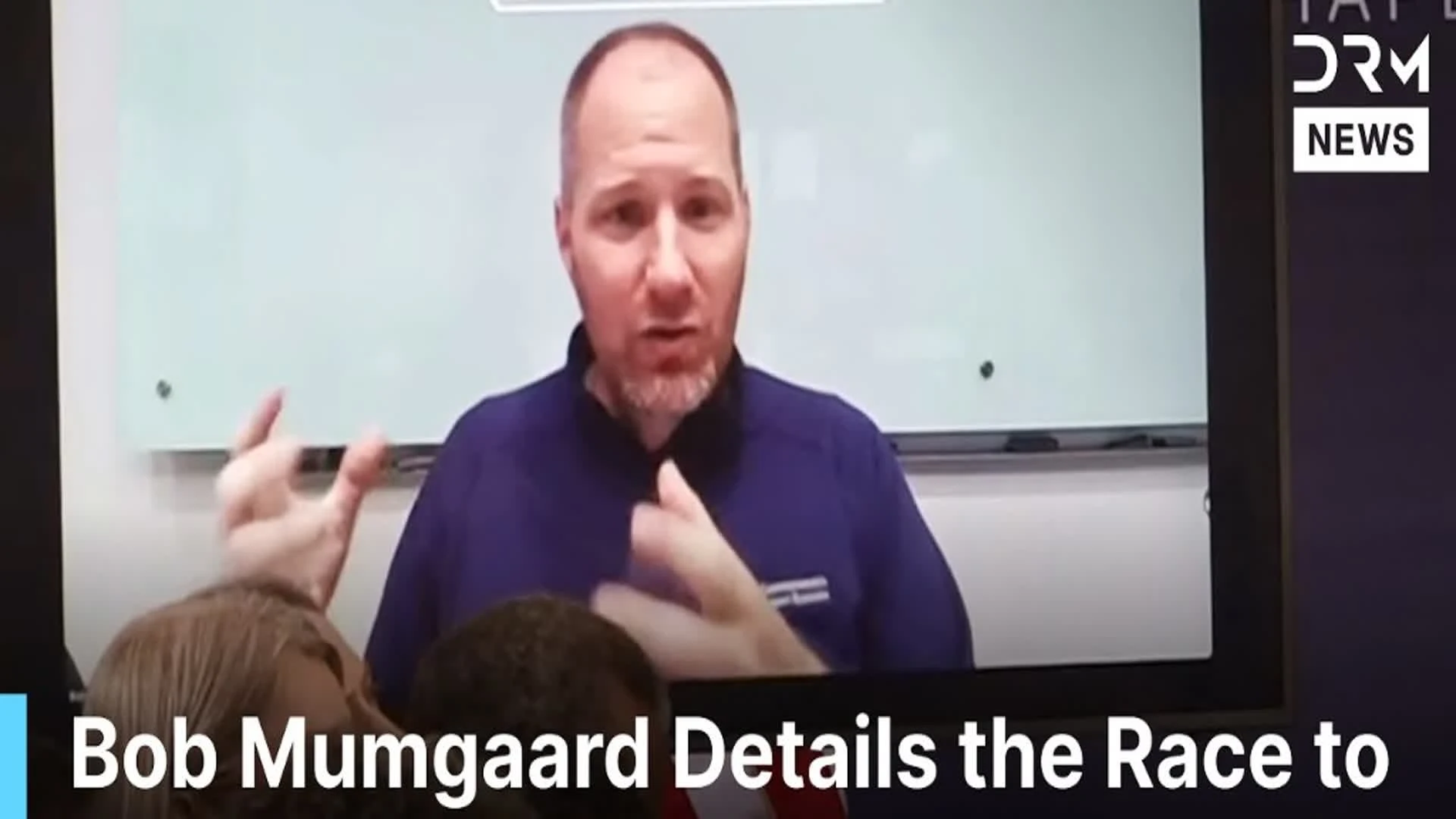
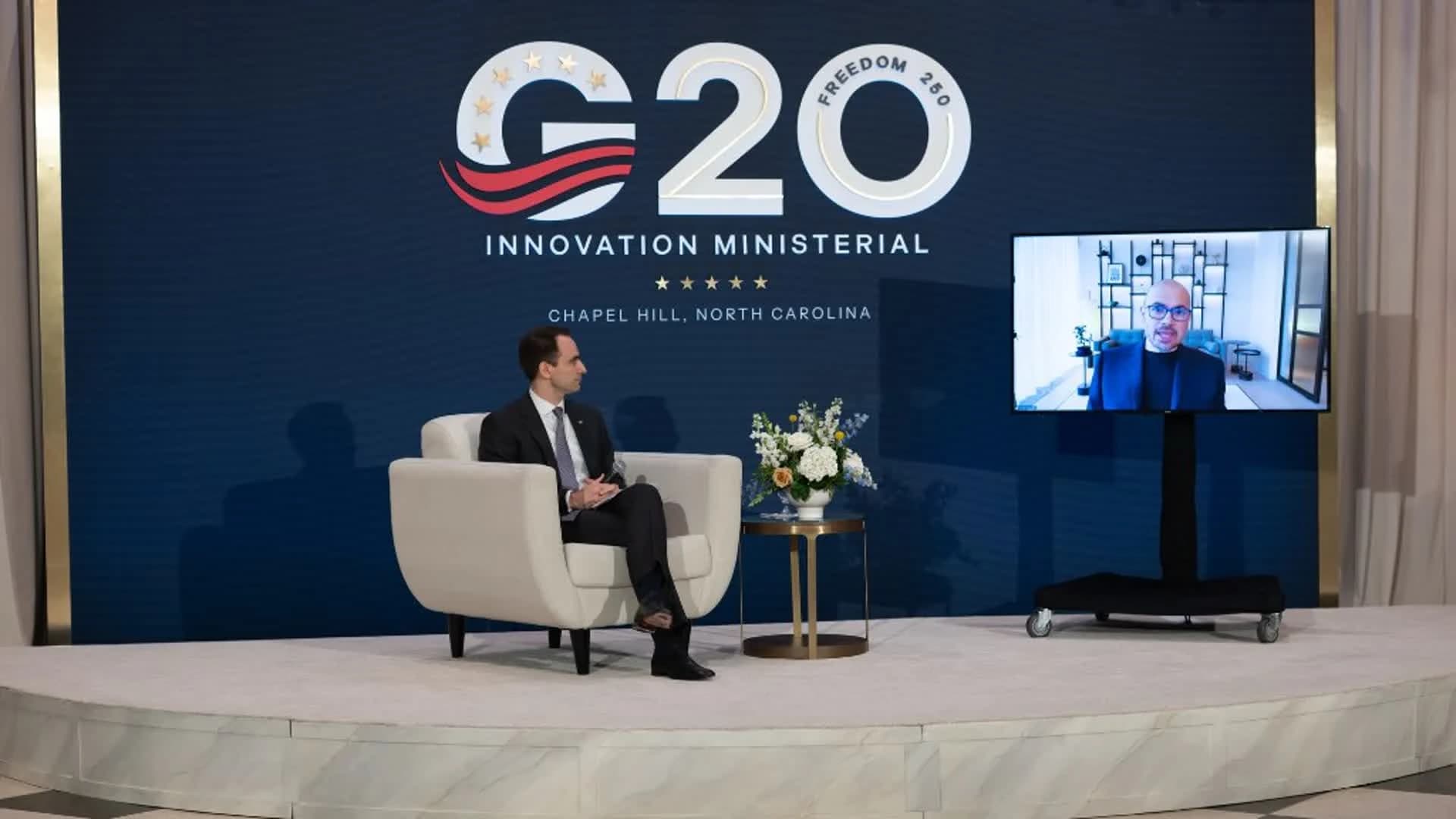
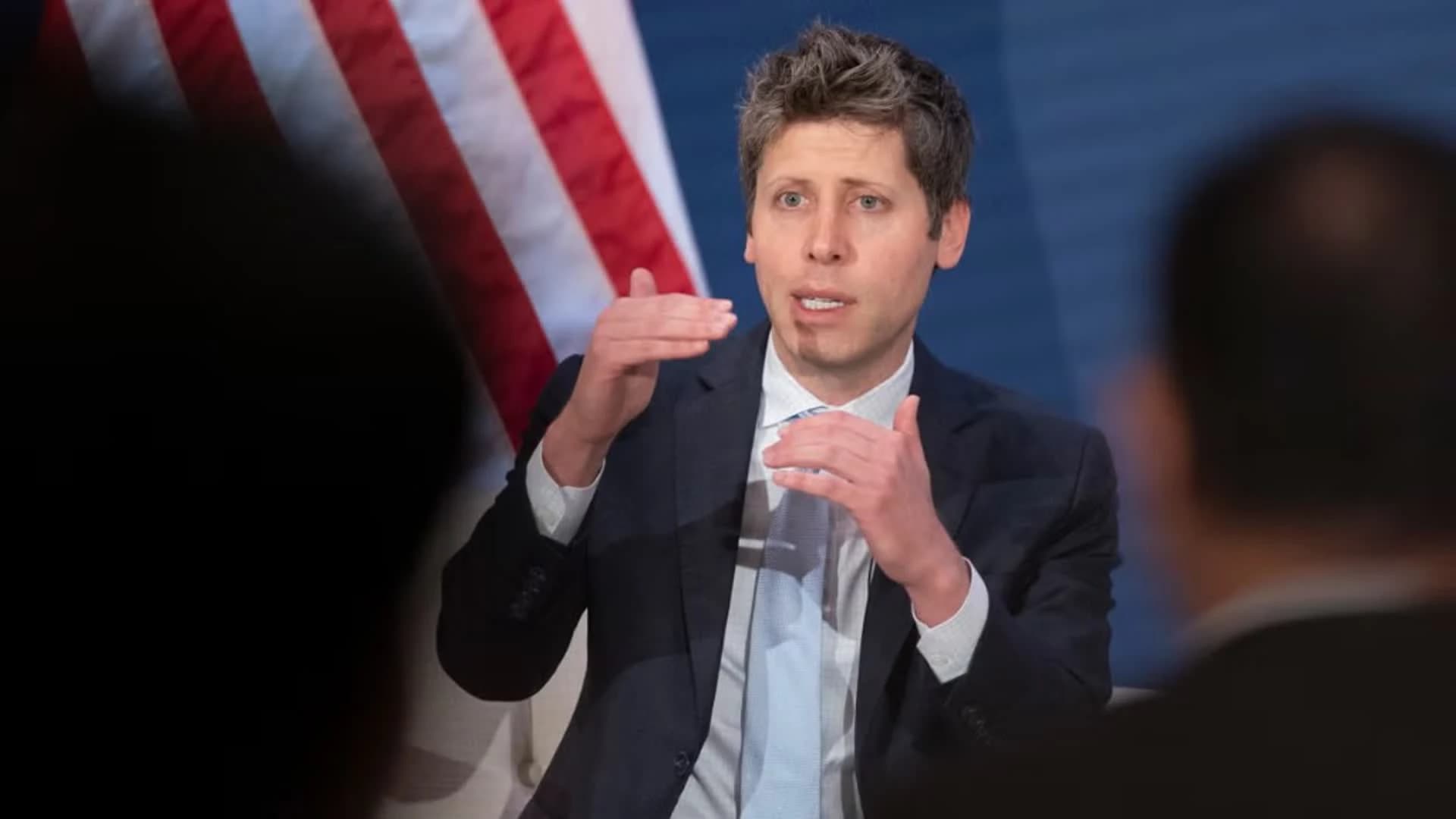
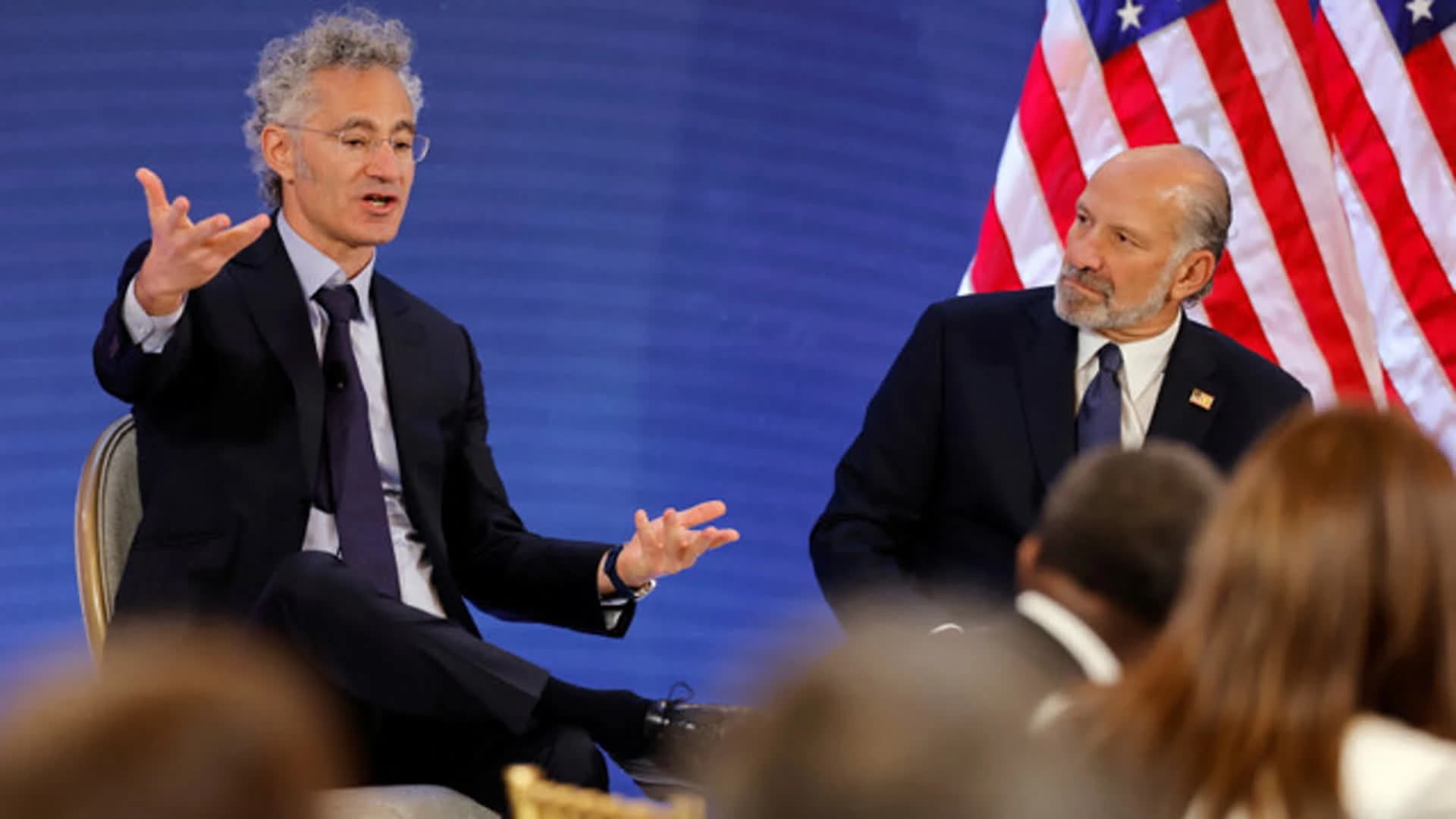
The president of Arizona State University participated remotely on the first day of the G20 Innovation Ministerial. His conversation was led by Michael Kratsios, director of the White House Office of Science and Technology Policy. Crow presented Arizona State University’s approach to artificial intelligence and explained why universities need to change not only their curricula, but also the very purpose of education.
From preparation for a profession to the capacity to grow
The central idea in Crow’s remarks was the concept of master learners: people who can acquire new knowledge, build on their skills and adapt to changes in their professional environment.
He said Arizona State University’s goal is not simply to prepare someone for a specific position. The university must develop people “capable of learning anything and adapting to anything.”
This approach changes the logic of professional preparation. A technician should be able to develop into a technologist, a technologist into an engineer, and an engineer should have the foundation needed to work at a research level. Education no longer ends with a degree. It becomes the capacity to renew one’s knowledge repeatedly throughout a working life.
Crow also stressed the importance of technical and programming skills. In his vision, graduates should not leave university without preparation to work with the technologies that increasingly shape how products are created, research is conducted and organizations are managed.
Artificial intelligence as an amplifier of learning
Crow described artificial intelligence as an exceptionally empowering tool that can accelerate, improve and deepen learning. This gives the technology a different role from that of an automated system for producing ready-made answers.
In this model, artificial intelligence can help students practice what they know, receive feedback, explore complex topics and work with simulations that are difficult to provide in every learning environment. For educators, the technology opens opportunities to develop new teaching formats and better adapt content to learners’ different needs.
The focus remains on the human ability to ask questions, evaluate information, connect different fields and apply what has been learned in a new context. It is these skills that turn access to technology into a real educational opportunity.
Arizona State University as a working model
Crow’s position at the G20 Innovation Ministerial draws on specific initiatives at Arizona State University.
By early 2026, the university reported more than 500 artificial intelligence projects proposed by faculty and students. Arizona State University has provided students, faculty and staff with access to ChatGPT Edu while also developing its own learning applications.
Examples cited include a tool for practicing foreign languages and a system that allows health sciences students to work with simulated patient cases. These applications show how artificial intelligence can be incorporated into the learning process itself, rather than simply added as a separate subject.
The approach also requires a change in assessment. When some standard tasks can be completed with the help of artificial intelligence, universities need to place greater value on understanding, reasoning, practical application and independent judgment.
Skills as part of economic infrastructure
The presence of a university leader among the technology leaders at the G20 Innovation Ministerial was no coincidence. Developing technical skills is one of the six areas in the joint ministerial statement.
The AI Prosperity Objectives and AI Prosperity Compact also emphasize workforce preparation and partnerships between the public sector, educational institutions and business. This connects education directly to economic policy.
Investment in models, data centers and energy infrastructure can create technological capacity. Using it, however, requires people who can work with new systems, check their outputs, apply them across industries and learn to use the next generation of tools.
A university for a world of constant change
Michael Crow’s most significant contribution to the G20 Innovation Ministerial was a clear criterion for education in the age of artificial intelligence: success is measured not only by the job someone can start today, but also by how well prepared they are to learn, develop and take on new roles tomorrow.
In this vision, the university does not defend an old model against technological change. It uses technology to make learning more accessible, deeper and more applicable, while building the capacity that remains valuable through every subsequent change: knowing how to learn.
Sources
- whitehouse.govThe White House: closing announcement on the G20 Innovation Ministerial (opens in a new tab)
- commerce.govOfficial joint statement of the G20 Innovation Ministerial (opens in a new tab)
- dailytarheel.comThe Daily Tar Heel: reporting from day one (opens in a new tab)
- dukechronicle.comThe Duke Chronicle: workforce preparation and the concept of “master learners” (opens in a new tab)
- news.asu.eduASU News: how artificial intelligence is changing higher education (opens in a new tab)
- youtube.comFull public recording of day one (opens in a new tab)