By Neda Veleva · · 5 min read
Michael Kratsios at the G20 Innovation Ministerial: from scientific discovery to deployment
The Director of the White House Office of Science and Technology Policy presented the Carolina Principles for Emerging Technologies and led conversations on artificial intelligence, scientific research, energy, and education.
← Back to overview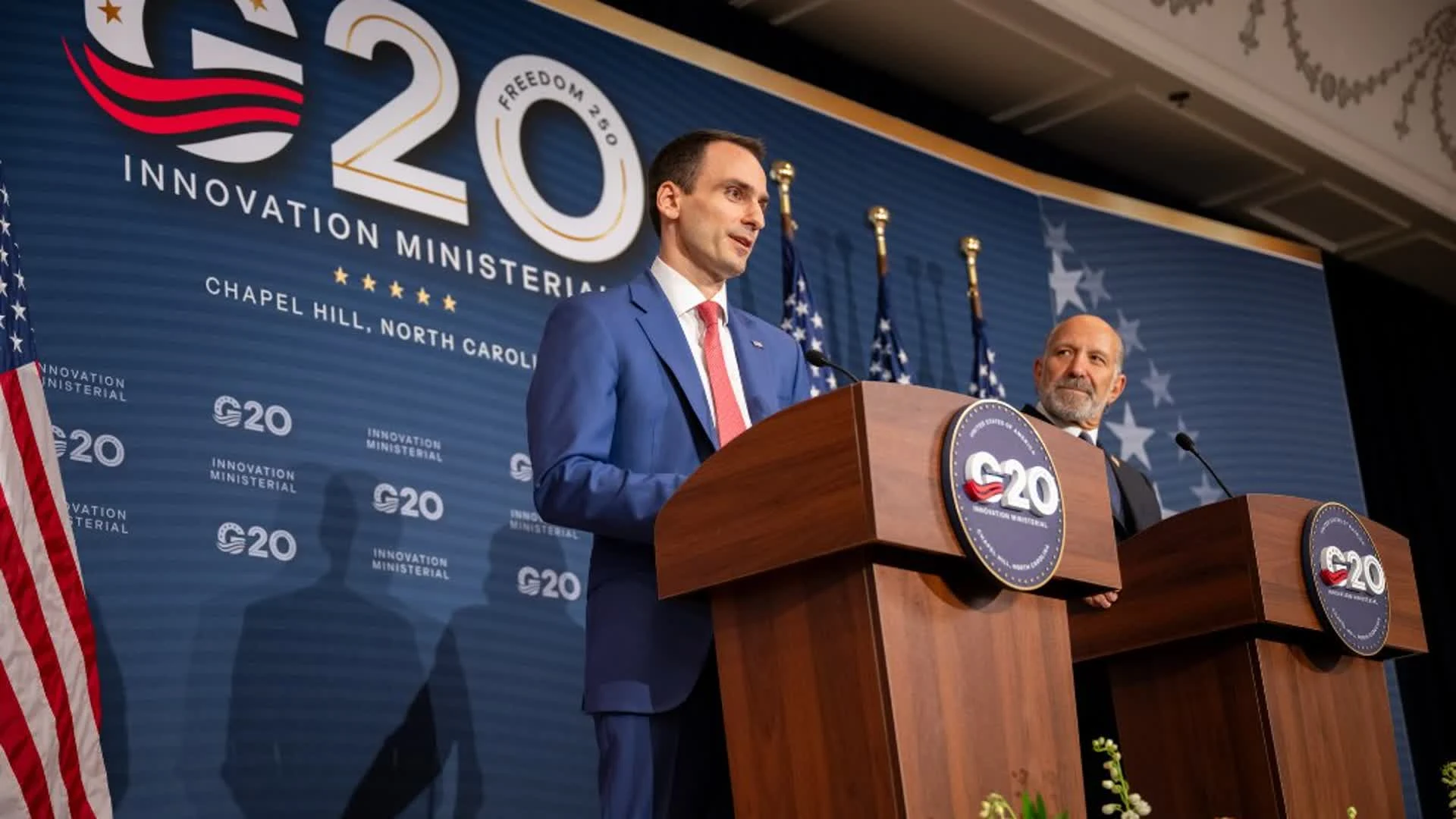
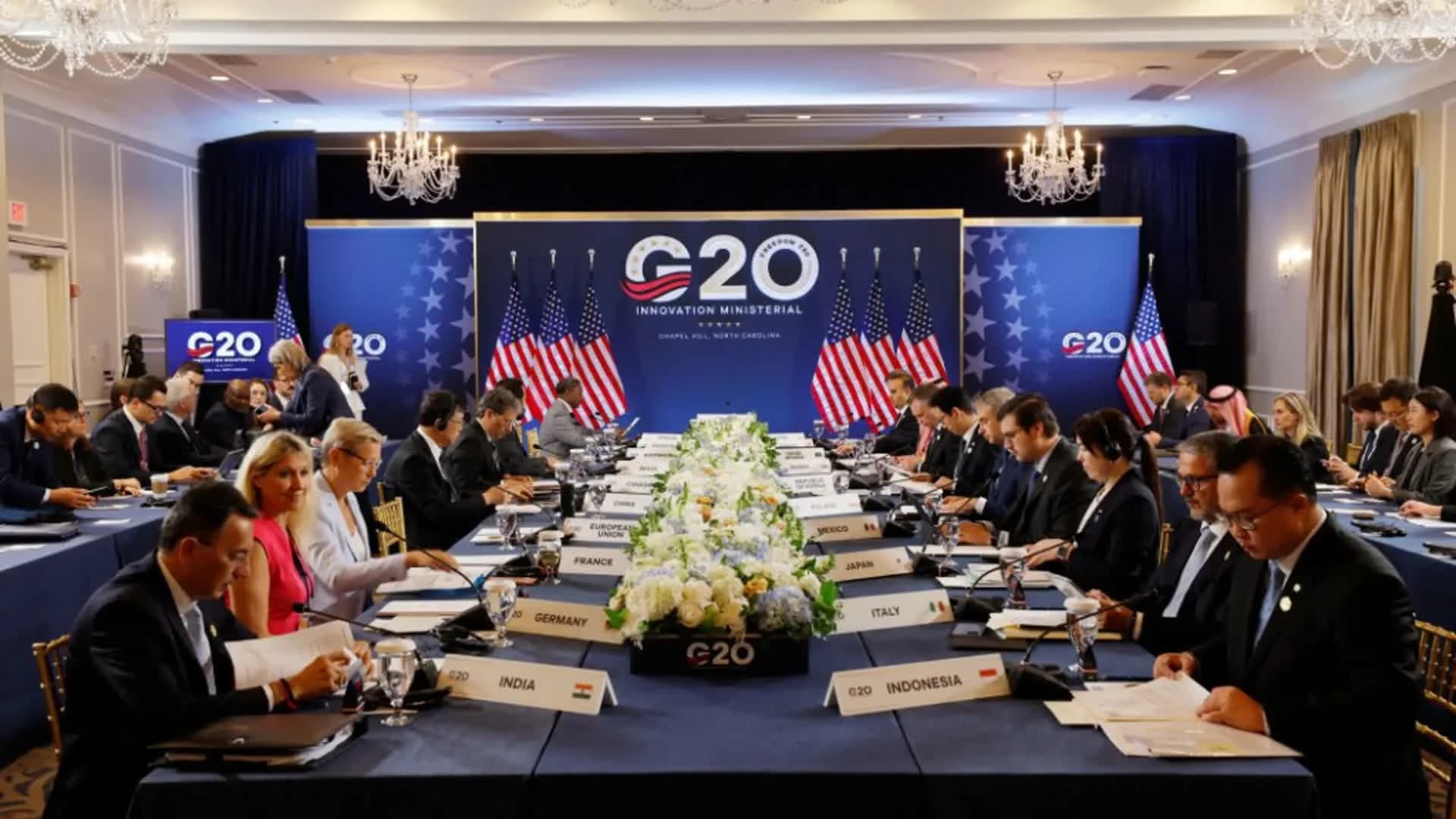
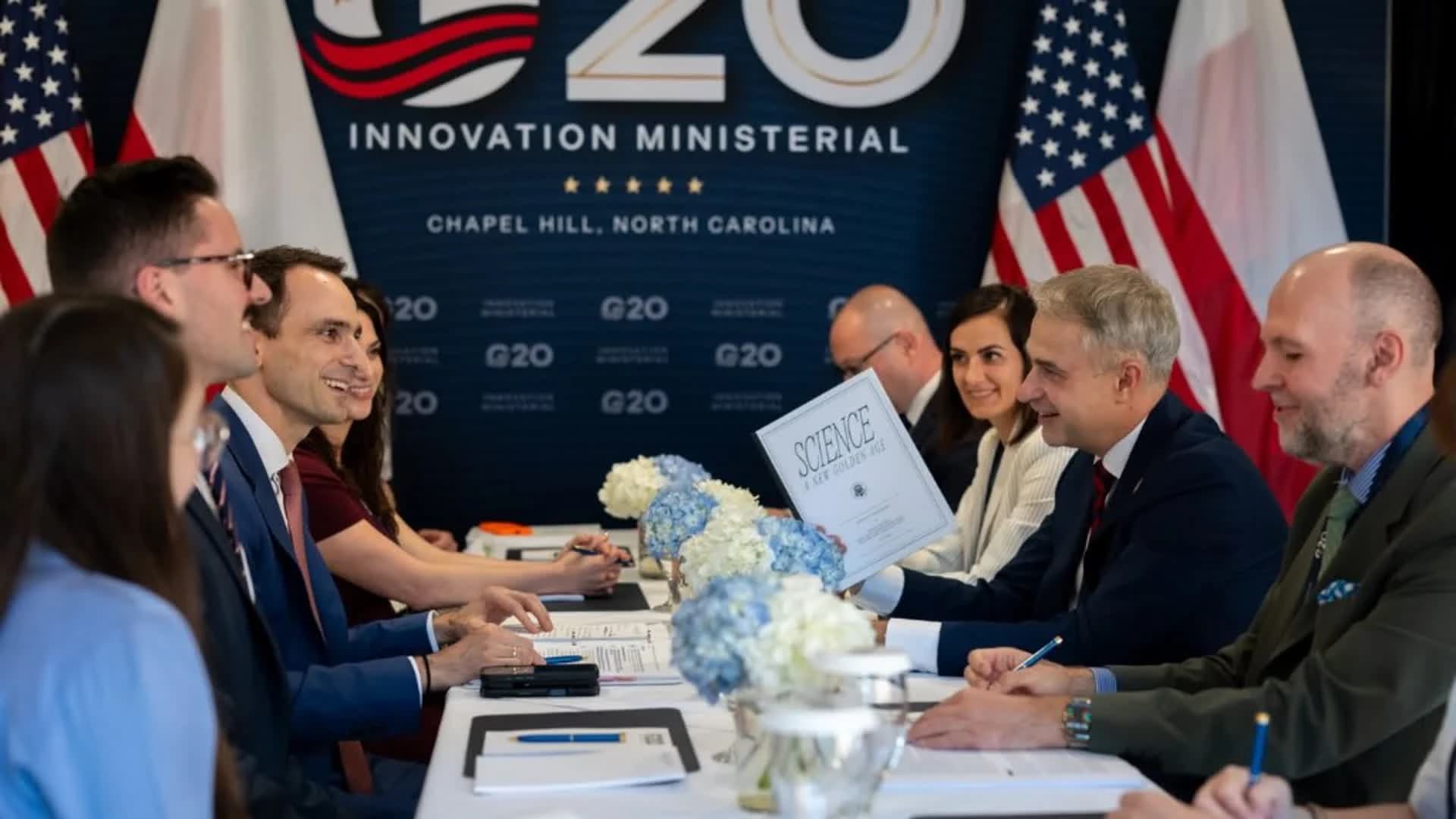
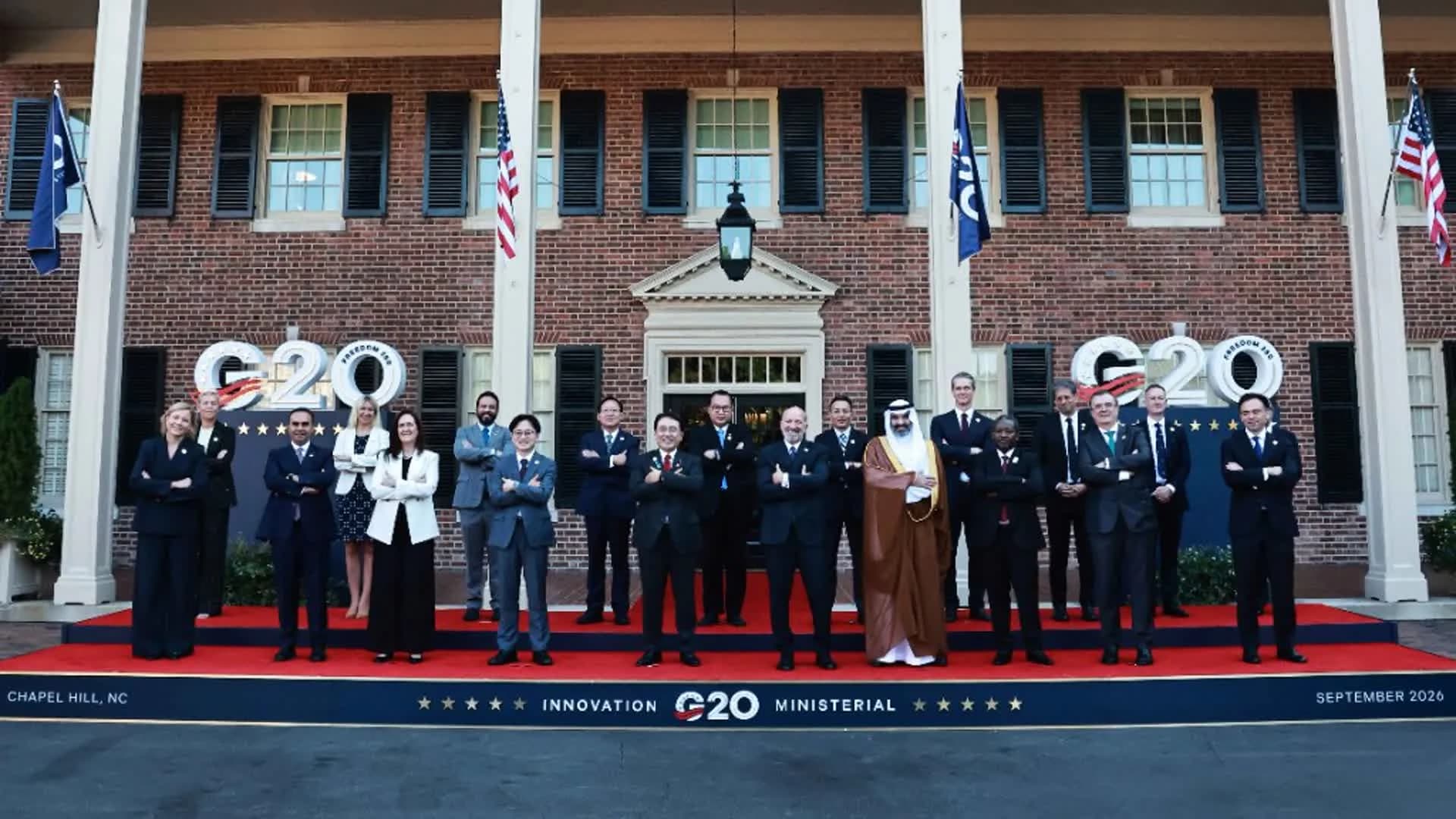
On September 1, 2026, Michael Kratsios opened the first day of the G20 Innovation Ministerial in Chapel Hill, North Carolina. As Director of the White House Office of Science and Technology Policy and science and technology adviser to the US President, he represented the American administration in the program jointly organized by his office and the US Department of Commerce.
In his opening remarks, Kratsios described the G20 Innovation Ministerial as an opportunity for countries to exchange practices and discuss how emerging technologies could support economic growth. The Carolina Principles for Emerging Technologies formed the basis of the policy framework he presented.
From fundamental research to practical application
The Carolina Principles for Emerging Technologies cover three consecutive stages in the development of a new technology.
The first is investment in fundamental scientific research that lays the groundwork for future discoveries. The second is building better pathways for turning scientific findings into usable, accessible technologies. The third is creating the conditions for their trustworthy deployment.
At the G20 Innovation Ministerial, Kratsios presented the principles as a shared basis for encouraging research, commercialization, and the practical use of emerging technologies. The framework had been developed by the G20 Innovation Working Group in the months leading up to the ministerial.
The approach to regulation
In presenting the Carolina Principles for Emerging Technologies, Kratsios emphasized applying existing sector-specific rules where they already cover the relevant risk or activity.
Under this approach, the emergence of a new technology does not automatically require an entirely new regulatory system. New rules are envisaged for circumstances that existing legislation does not in fact cover.
Kratsios also noted that the shared principles do not require countries to harmonize their legal systems or regulatory institutions. Each country retains the ability to determine its national approach to researching, developing, and deploying emerging technologies.
Artificial intelligence as a tool for scientific discovery
During the opening portion of the G20 Innovation Ministerial, Kratsios also highlighted the use of artificial intelligence in scientific research. He described this area as underrepresented in public discussion of the technology.
In his forecast, some of the most significant applications of artificial intelligence over the next five to ten years could be in materials science, chemistry, mathematics, and physics. In these fields, AI systems can be used to process large datasets, identify relationships, and help develop new materials and scientific methods.
This part of his remarks placed scientific discovery alongside the economic and infrastructure issues discussed at the G20 Innovation Ministerial.
The conversations led by Michael Kratsios
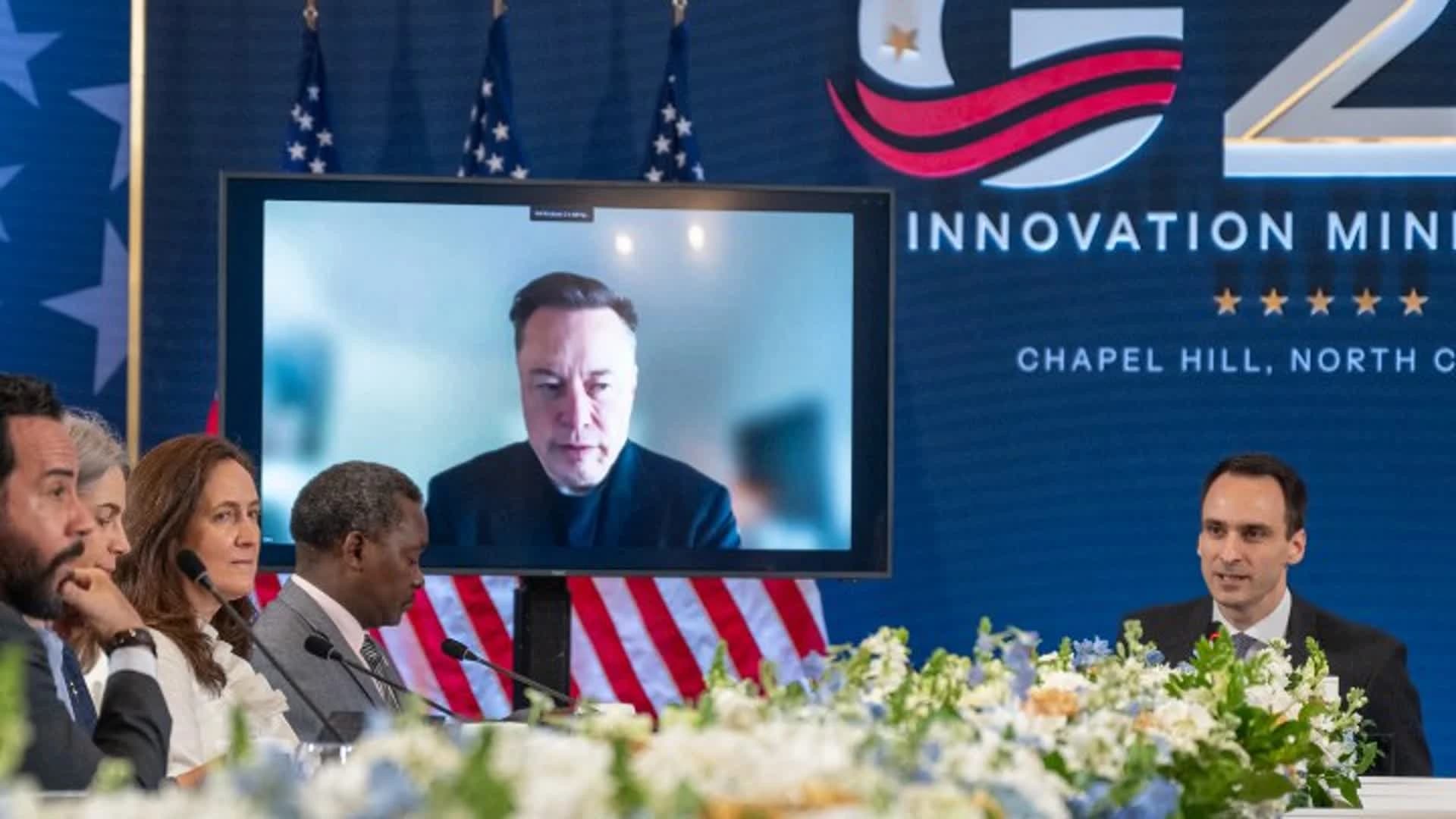
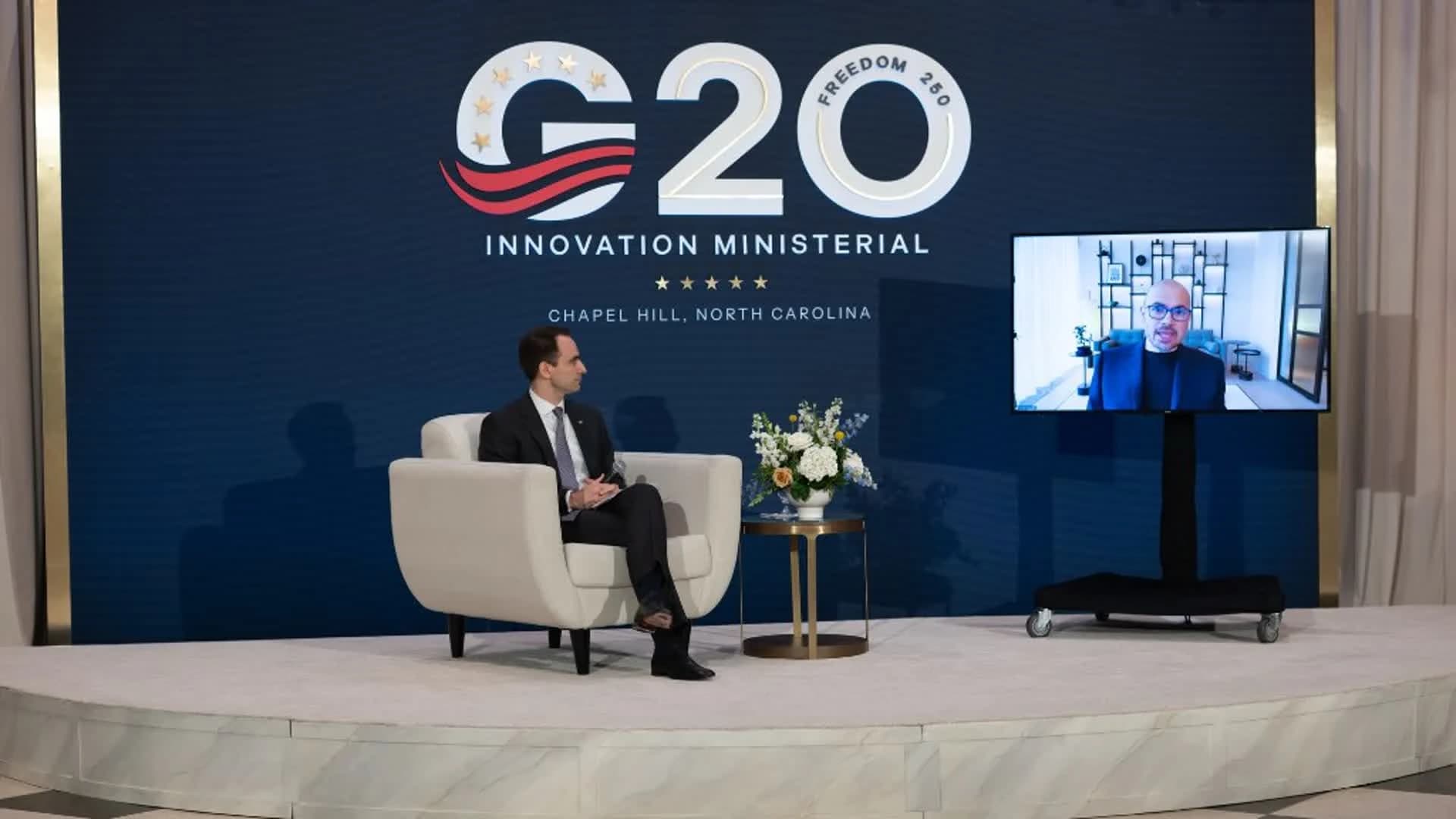
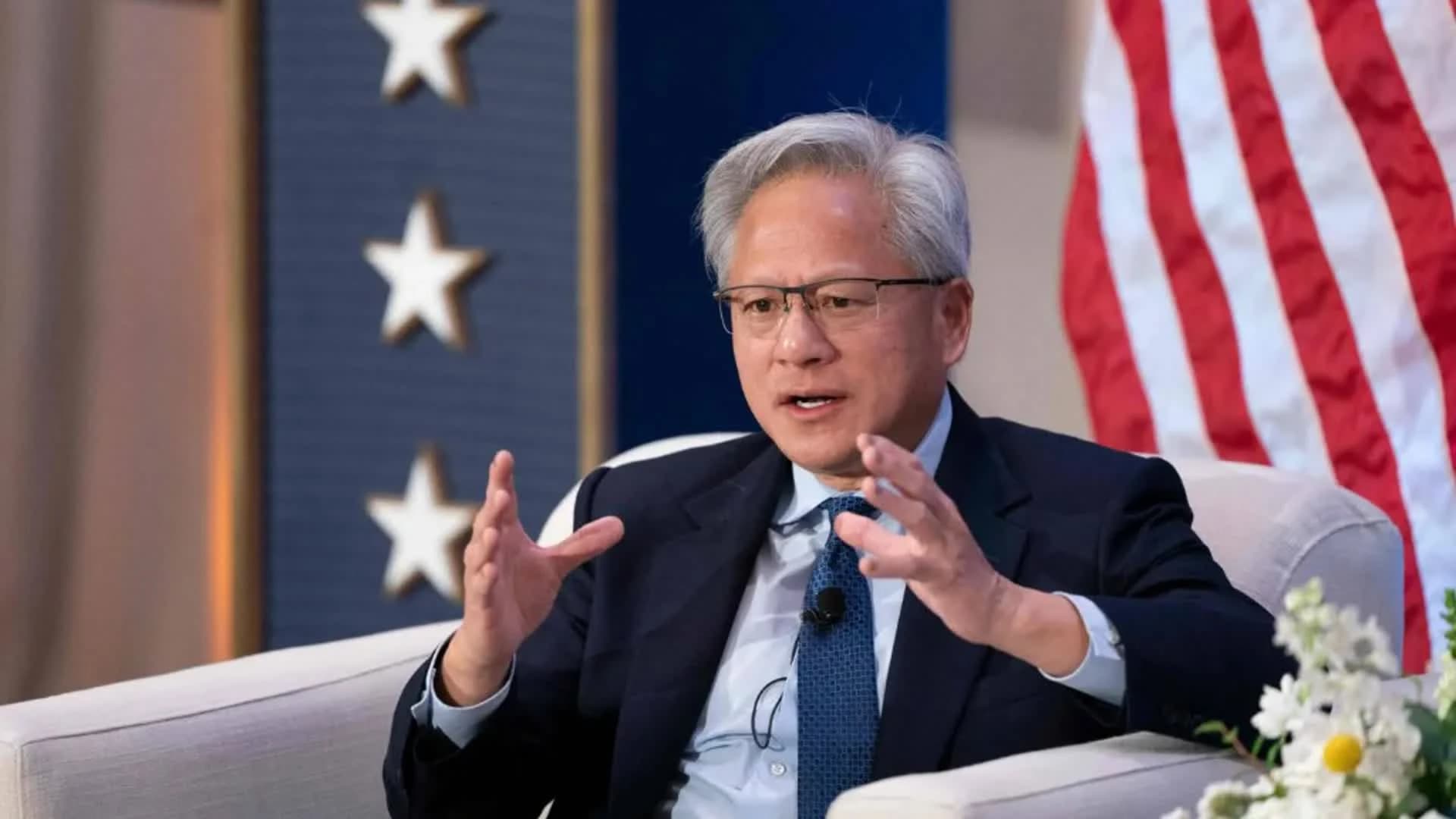
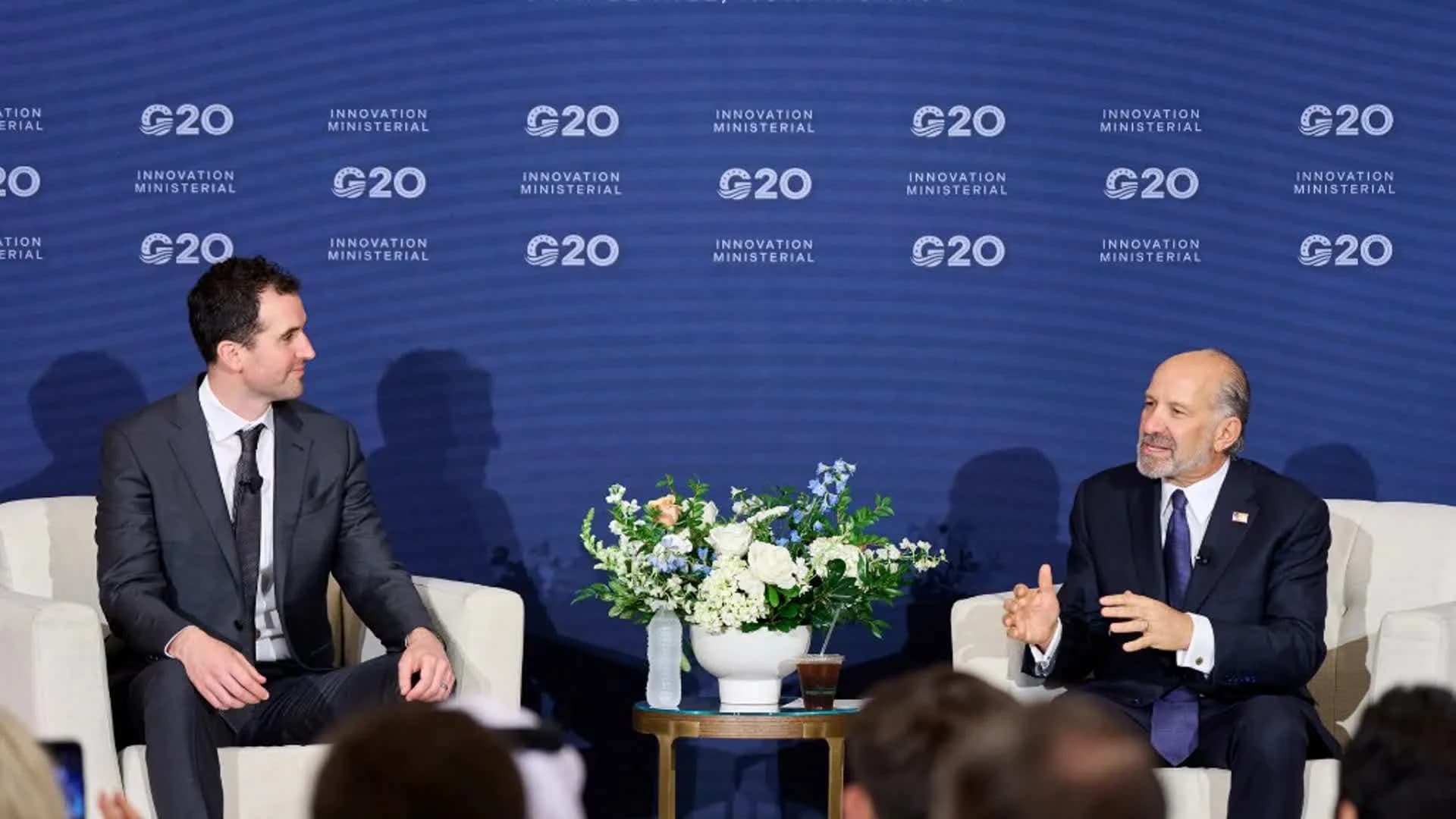
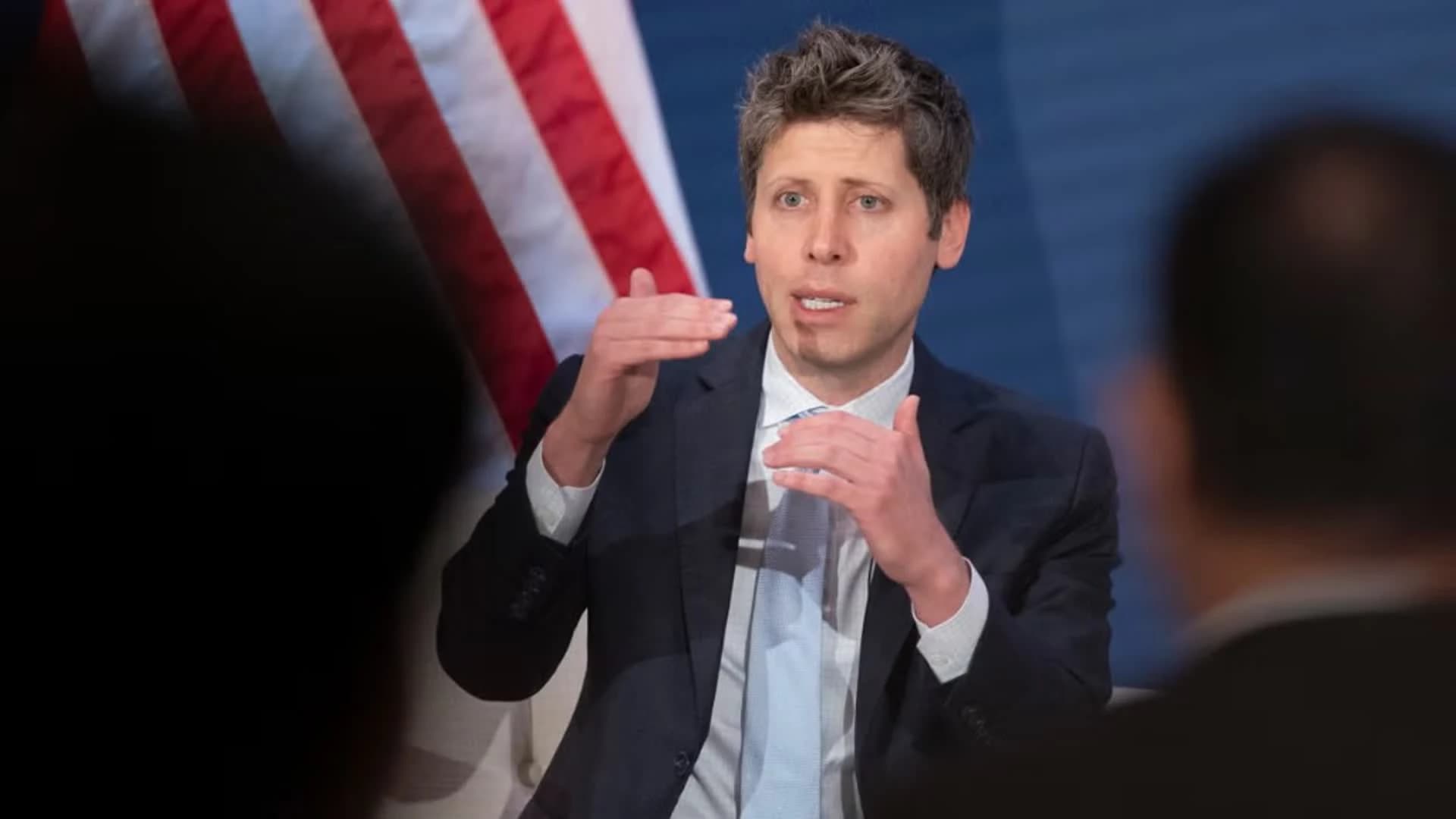
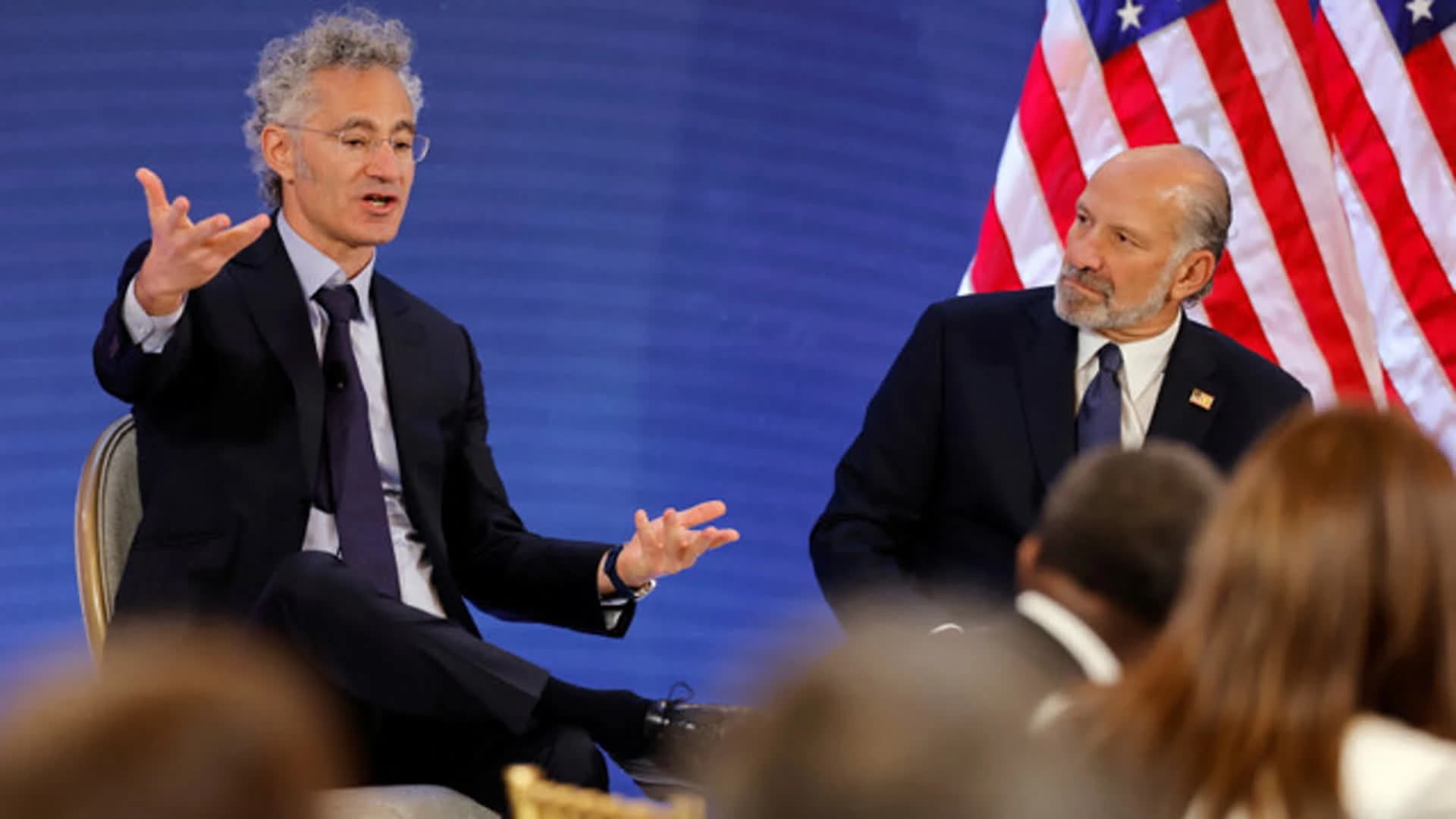
In addition to his participation in the ministerial program, Kratsios hosted six public conversations with representatives of technology, science, energy, and education.
He spoke with:
- Elon Musk, CEO of Tesla and SpaceX;
- David Sacks, co-chair of the President’s Council of Advisors on Science and Technology;
- Bob Mumgaard, CEO of Commonwealth Fusion Systems;
- Demis Hassabis, co-founder and chair of Google DeepMind;
- Mark Zuckerberg, chair and CEO of Meta;
- Michael Crow, president of Arizona State University.
The conversations covered the economic potential of artificial intelligence, the electricity and computing infrastructure it requires, the development of fusion energy, applications of AI in science, and preparing people for a changing labor market.
The program led by Kratsios thus connected policy principles with specific perspectives from companies and institutions that develop, deploy, or study emerging technologies.
The Carolina Principles for Emerging Technologies in the final documents
On September 2, 2026, the ministers participating in the G20 Innovation Ministerial reached agreement on the Carolina Principles for Emerging Technologies. The principles were included in the broader package of outcomes alongside the G20 Innovation Ministerial Statement.
The joint statement covers six pillars:
- policies that encourage innovation;
- technologies for opportunity and prosperity;
- developing a skilled technical workforce;
- policies on intellectual property and artificial intelligence;
- standards for artificial intelligence and the use of AI in developing standards;
- industrial innovation and investment in supply chains.
In the closing announcement, Kratsios linked the agreement to an approach in which policies create the conditions for scientific research, technological development, and economic growth.
His participation in the G20 Innovation Ministerial encompassed the entire process set out in the Carolina Principles for Emerging Technologies: supporting fundamental research, turning discoveries into usable technologies, and creating the conditions for their deployment.
Sources
- whitehouse.govThe White House: G20 Innovation Ministerial Concludes with Consensus Statement (opens in a new tab)
- trade.govInternational Trade Administration: Press Registration for the G20 Innovation Ministerial (opens in a new tab)
- gov.ukG20 Innovation Ministerial Statement, 2 September 2026 (opens in a new tab)
- dailytarheel.comThe Daily Tar Heel: G20 Innovation Ministerial kicks off in Chapel Hill (opens in a new tab)
- whitehouse.gov2.comThe White House: Michael Kratsios confirmed as Director of the Office of Science and Technology Policy (opens in a new tab)